4 minPolitics
Democrats push back after four states approve girls' sports protections
Voters in four states approved measures restricting transgender athletes from female school sports, and Democrats are moving to challenge and amend them in court and in state legislatures.
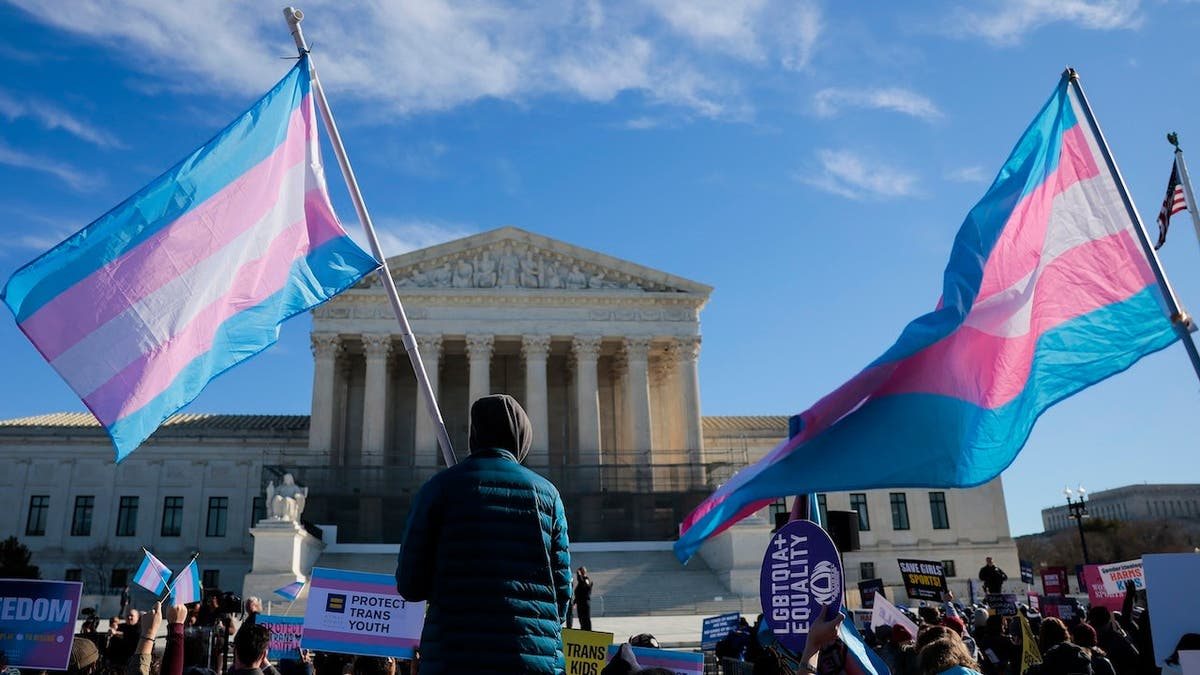
Voters in four states approved measures this month restricting transgender participation in school sports, and Democrats are pushing back across the country, with lawsuits, legislative proposals and public protests now underway. The measures passed in Washington, Colorado, Arizona and Nebraska, and each takes a different approach to defining who may compete on girls' and women's teams.
In Washington, Initiative 638 passed with about 56 percent of the vote. It bars biological males from female school sports and requires healthcare documentation to verify the sex of athletes competing in girls' athletics. In Colorado, Proposition 134 won about 52 percent support and designates school teams as male, female or coed based on biological sex. Arizona's Proposition 318 passed with about 59 percent and expands existing restrictions, adding limits on bathroom and locker-room use. Nebraska's Initiative 442 was approved by about 68 percent of voters and has been written into the state constitution.
Washington has become the main focus of legal resistance. The state Democratic Party has said the fight is «just beginning» and argues the measure is unconstitutional. The ACLU of Washington, Legal Voice and Pacifica Law Group filed suit on behalf of a teachers union, a nonprofit and parents, seeking to block the measure before its scheduled December 3 effective date. The Seattle school board has authorized its own legal action, although that authorization does not by itself suspend the law. Attorney General Nick Brown has hired the outside firm Bryan Cave Leighton Paisner to defend the measure. On November 13, the Alliance Defending Freedom filed a motion to join Female Athletes United as a defendant; that motion has not yet been granted.
Colorado faces a different kind of pressure. Governor-elect Phil Weiser has signaled that he may seek changes to Proposition 134 through legislation, and he has raised concerns about invasive eligibility verification. Because the measure is statutory rather than constitutional, lawmakers can amend it without a new statewide vote. Protesters in Denver have demanded its repeal, while supporters accuse Weiser of defying the voters who approved it. The Colorado High School Activities Association and Denver Public Schools have said they will comply with the measure, which takes effect January 1, 2027.
In Arizona, the Legislature referred Proposition 318 to the ballot after Governor Katie Hobbs had vetoed similar bills earlier. A pre-election challenge arguing the measure violated the single-subject rule was rejected, and it remained on the ballot. The ACLU of Arizona condemned its passage but has not announced a new lawsuit. In Nebraska, the state Supreme Court ruled on October 16 that the petition met the state's requirements. The ACLU of Nebraska criticized the outcome and pledged to monitor implementation, but it has likewise announced no new lawsuit.
Several key questions remain open. It is not yet clear whether the Washington lawsuit will succeed or whether the December 3 effective date will hold. In Colorado, it is uncertain whether Proposition 134 will be revised and how any new eligibility verification process would work. Together, the four votes mark a significant moment in the national debate over transgender athletes in school sports, and the coming court and legislative decisions will determine how far these protections extend.
Source: foxnews.com
45