6 minPolitics
Comer Says Fauci's Fifth Amendment Plea Undermines Legitimacy of Biden Autopen Pardon
House Oversight Chairman James Comer argued that Dr. Anthony Fauci's repeated invocation of the Fifth Amendment during a Senate hearing casts doubt on the validity of former President Biden's preemptive autopen pardon, as Fauci faces potential contempt proceedings.
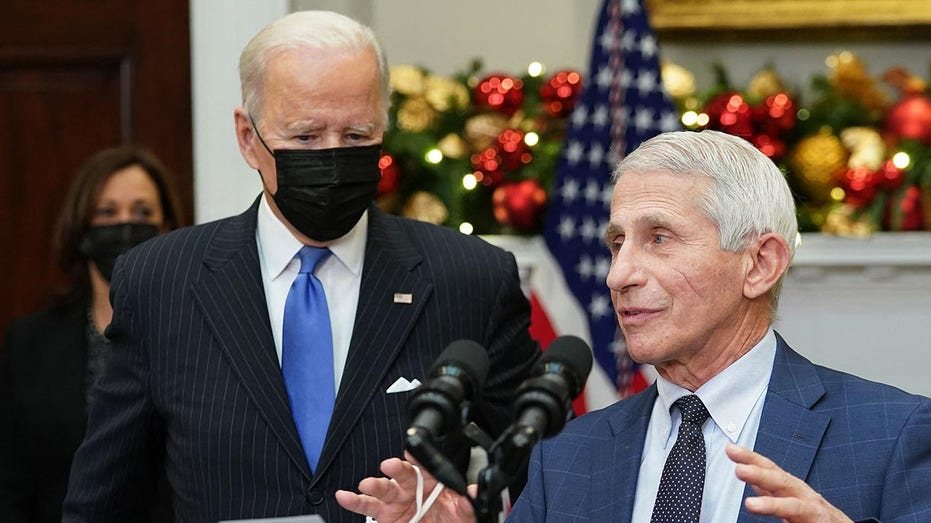
House Oversight Committee Chairman James Comer, Republican of Kentucky, declared Thursday that Dr. Anthony Fauci's decision to plead the Fifth Amendment more than 100 times during a Senate hearing undermines the legal standing of the blanket pardon issued by former President Joe Biden. Comer asserted that if the autopen-signed pardon were legally sound, Fauci would have no reason to refuse to answer questions before Congress. The remarks came after a contentious hearing where Fauci repeatedly invoked his constitutional right against self-incrimination, prompting Republican lawmakers to threaten contempt charges.
Fauci appeared Wednesday before the Senate Homeland Security and Governmental Affairs Committee, chaired by longtime critic Senator Rand Paul, Republican of Kentucky. The hearing centered on newly released personal diaries Fauci kept during the COVID-19 pandemic, which were obtained from his government computer. According to sources familiar with the proceedings, Fauci pleaded the Fifth Amendment 111 times, declining to address questions about the diary's contents, including entries where he reflected on his public fame, discussed the origins of the virus, and appeared to take credit for influencing school closure policies. The diary, which Fauci had not previously disclosed, has intensified scrutiny of his role in shaping the federal pandemic response.
Comer specifically accused former Health and Human Services Secretary Xavier Becerra of withholding Fauci's diary from the House Oversight Committee during the Biden administration, despite prior requests. The chairman indicated that the House panel may now seek to question Fauci about whether his earlier testimony to Congress was truthful. «Based on the release of Dr. Fauci’s diary, which should have been provided to the House Oversight Committee last Congress but was withheld by then-HHS Secretary Becerra, we’ll be asking Dr. Fauci whether he stands by his previous testimony to our Committee,» Comer said in a statement. He added that Fauci's «actions and lies caused irreparable harm to Americans» and that he must face accountability.
The legal landscape surrounding Fauci's testimony is complicated by the preemptive pardon Biden issued in the final hours of his presidency. The pardon covers any offenses from January 1, 2014, through its issue date, specifically related to Fauci's service as director of the National Institute of Allergy and Infectious Diseases, as a member of the White House Coronavirus Task Force or COVID-19 Response Team, or as chief medical adviser to the president. However, Comer and other Republicans argue that the pardon, signed via autopen, is of «legally questionable» validity and does not protect Fauci from perjury or contempt charges arising from his current testimony. Senator Paul has announced that his committee will vote next week on whether to hold Fauci in contempt of Congress, a charge that could carry a fine of up to $100,000 and a prison sentence of up to one year.
The diary entries, made public by Senator Paul, have proven damaging to Fauci's reputation. In early May 2020, Fauci wrote that his «national and international fame is explosive and really unimaginable,» adding that he might be «the most famous and talked about person in the country and one of the most recognizable persons in the world.» The diary also chronicled his interactions with celebrities and his frustration with communications officials. Critics seized on these revelations as evidence of an outsized ego and a disconnect from the human toll of the pandemic, which killed hundreds of thousands of Americans. Fauci had previously told the House Oversight Committee in January 2024 that he did not close schools, yet his diary entries suggest he took credit for influencing that very policy.
The confrontation on Capitol Hill marks a new chapter in the long-running political battle over the public health response to COVID-19. Fauci, who served as chief medical adviser to Presidents Trump and Biden, has been a lightning rod for criticism from Republicans who argue that lockdowns, mask mandates, and vaccine policies were overly restrictive and sometimes contradictory. Comer and other GOP leaders are now signaling that the release of Fauci's diary could lead to additional hearings and legal actions. «Dr. Fauci clearly knows his autopen pardon is on legally questionable grounds and decided to protect himself today rather than provide the truth to the American people,» Comer said. As the contempt vote approaches, the debate over the scope of presidential pardons and the accountability of former government officials is likely to intensify in the coming weeks.