5 minPolitics
Chaffetz says Democrats need Nancy Pelosi to take charge
Former Rep. Jason Chaffetz argues that with Nancy Pelosi retiring, Democrats lack the message discipline, fundraising power, and leadership needed to contain the party's socialist wing.
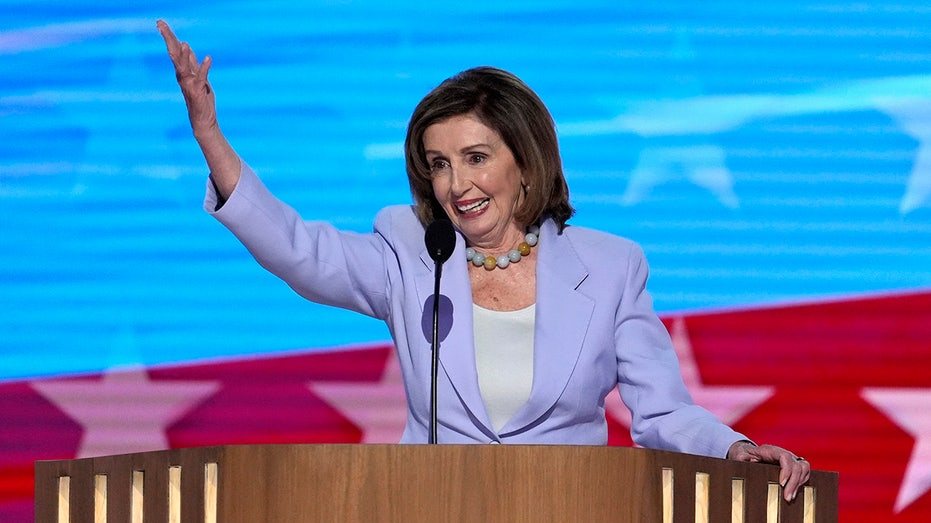
Former Republican Rep. Jason Chaffetz argues that the Democratic Party is in open disarray following Nancy Pelosi's retirement, with no current leader able to impose the message discipline or donor control that the former House speaker once exercised. In a new opinion essay, Chaffetz says Democrats are caught between a restless socialist wing and a general electorate that could punish candidates who embrace it.
Chaffetz points to Sen. Bernie Sanders of Vermont as a figure who is no Nancy Pelosi. He writes that the party's current strategy of trying to «expand the tent» carries real costs, especially if it means handing influence to people who are not even registered Democrats. He also argues that Democratic fundraising is weak and that traditional party gatekeepers have been pushed aside as money and energy flow through less regulated and less transparent nonprofit organizations. In earlier years, he writes, Pelosi and Senate Minority Leader Chuck Schumer could direct donor dollars away from the party's radical fringe.
Pelosi, the 85-year-old California Democrat, understood how to cloak the party's radicalism, according to Chaffetz. She did not, he says, allow Rep. Alexandria Ocasio-Cortez of New York to set the party's course and refused to grant committee assignments that would elevate her fringe views. With Pelosi's influence on the wane, Democrats at every level of government are now engaged in a messaging free-for-all.
Chaffetz writes that the platform of the Democratic Socialists of America has infiltrated the party and may force Democratic candidates to answer uncomfortable questions. The group, he says, seeks to replace rather than reform key pillars of American stability and prosperity, explicitly rejecting the Constitution. Its platform calls for abolishing the Senate, the Electoral College, the presidency, and the Supreme Court, along with other features of federalism that check the balance of power. He adds that Democrats now have to account for DSA demands to eliminate the Department of War, open the borders to unvetted and unlimited migration, and pay for the health care costs of any global citizen who wants to come to America.
Chaffetz also cites state and local examples of what he calls the party's excesses. He alleges that Minnesota Gov. Tim Walz and California Gov. Gavin Newsom have incentivized «unimaginable levels of fraud» and are trying to conceal it. He further criticizes Sanders-endorsed New York City Mayor Zohran Mamdani, saying Mamdani attempted to meet with Iran's enemies during wartime and calls out Israel while refusing to acknowledge crimes committed by Hamas. In Chaffetz's view, Mamdani represents a wing of the party that hates America, hates law and order, and hates punishment.
The former congressman argues that none of the party's current leaders can rein things in. He dismisses former Vice President Kamala Harris, saying her unsuccessful billion-dollar presidential campaign is likely a key source of donor fatigue. Democratic National Committee Chair Ken Martin, he writes, has spent so much political capital cleaning up that mess that he has little left for the 2026 races. House Minority Leader Hakeem Jeffries and Senate Minority Leader Chuck Schumer do not wield the power Pelosi once had, according to Chaffetz, because their positions are too precarious to risk offending the socialist wing of their party.
He also says Ocasio-Cortez, despite her popularity with the far-left base, has not shown the leadership skill needed to call out her own party in difficult moments. Poor candidate vetting, he argues, continues to trouble Democrats. He cites the rape allegations against Sanders-endorsed Maine Senate candidate Graham Platner, saying the episode led to a repeat of the Biden replacement primary process in which Democrats put a candidate on the ballot without a single primary vote.
Chaffetz concludes that without a unified message, a respected leader willing to speak the truth internally, and a motivated donor base, Democrats will have only themselves to blame for their current chaotic state. He rejects the idea that a big tent is a sufficient explanation for the party's problems, saying voters want to know where candidates stand on specific issues. In his view, Democrats face a no-win choice: expose the radical truth and lose the general public, or dismiss the socialists and lose their base. Today, he writes, the radicals far outnumber the remnants of yesterday's Democratic Party.