3 minPolitics
Biographer Says Trump Skips Briefings Before Summits
Michael Wolff told a podcast audience that White House insiders describe President Donald Trump refusing to read briefing books or hold extensive discussions before high-stakes meetings with world leaders, warning the pattern carries security consequences.
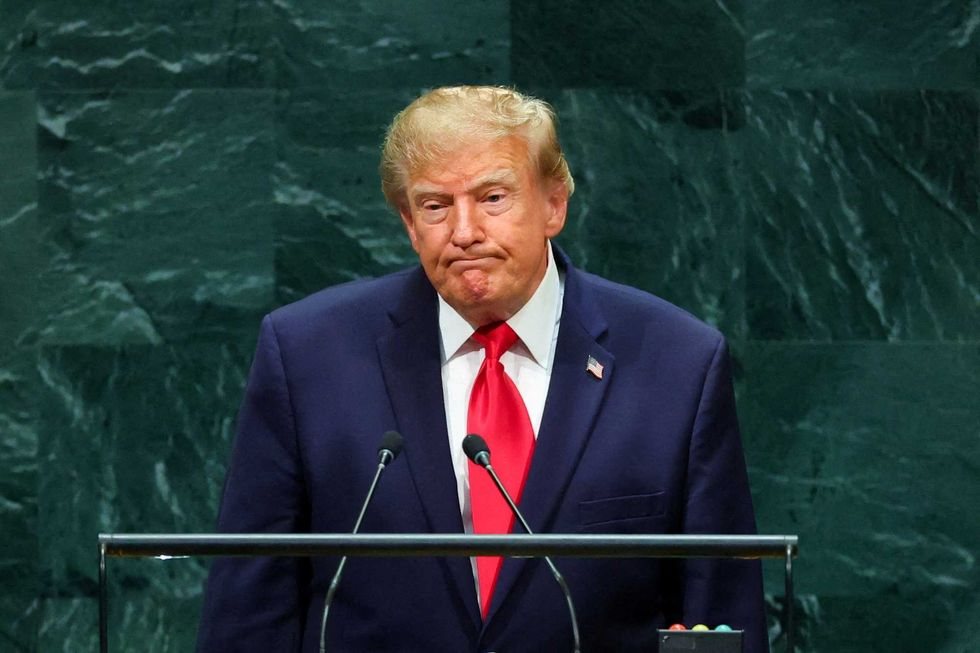
President Donald Trump enters high-stakes summits with foreign leaders without reading the briefing materials prepared for him, according to accounts from White House insiders relayed by his biographer, Michael Wolff. The pattern, described on a Saturday episode of the podcast «Inside Trump's Head,» raises questions about how the United States conducts diplomacy at the highest level.
Wolff told co-host Joanna Coles that the president «refuses to look at the briefing books» and «refuses to have extensive conversations about the issues at hand» before sitting down with counterparts such as Chinese President Xi Jinping. Summits, Wolff explained, normally demand «really hard work» — briefing books and input from across the government, each agency pressing the issues it wants on the table.
«It's a difficult moment for any president because, I mean, you're the guy and you got to know what you're talking about,» Wolff said. «If you don't know what you're talking about, you're giving away the store.» The stakes, he stressed, go beyond ceremony. «It's a matter of security,» Wolff said. «The world turns on these kinds of meetings. Not with Trump.»
According to Wolff, the president's approach leaves him relying on flattery rather than preparation. «He is always saying, 'I'm really good with this.' And then he goes into these meetings, and all it is is flattery,» Wolff said. That flattery, he added, flows in both directions, with foreign leaders «very clearly» understanding «what they can get by this.»
Wolff described the impression such meetings leave on counterparts. «I'm trying to circumvent using the word buffoon,» he said, «but I think that's what they see him as. They're like, 'Oh my God.'»
Asked who would traditionally prepare a president for a summit — Coles suggested Secretary of State Marco Rubio — Wolff said the job requires «weeks of preparation.» Instead, he said, aides compress the material. «They give him two points. You got to do this and this,» Wolff said. «And even that usually doesn't register with him.»
Wolff acknowledged the difficulty of conveying this reality to voters and even to White House staff, who fall back on the argument that «he's been elected twice» and therefore «must know what he's doing.» His conclusion was blunt: «The president of the United States does not know what he's talking about in these situations.»
He warned that the consequences will become visible. «Years from now, or not even years from now, I think we will start to see the effects of this,» Wolff said.
The account adds to a long-running debate over how Trump prepares for diplomacy and whether personal rapport can substitute for detailed policy work. Wolff's portrayal suggests that in the rooms where agreements are shaped, the American side may be operating without the groundwork that allies and adversaries alike expect — and that foreign governments have learned to read the gap.
3