6 minPolitics
Biden-Appointed Judge Blocks Termination of TPS for Ethiopians, Drawing Accusations of Mutiny
A federal judge in Massachusetts issued an administrative stay preserving Temporary Protected Status for Ethiopians, sparking a clash with the Supreme Court's recent ruling limiting lower court authority over TPS decisions.
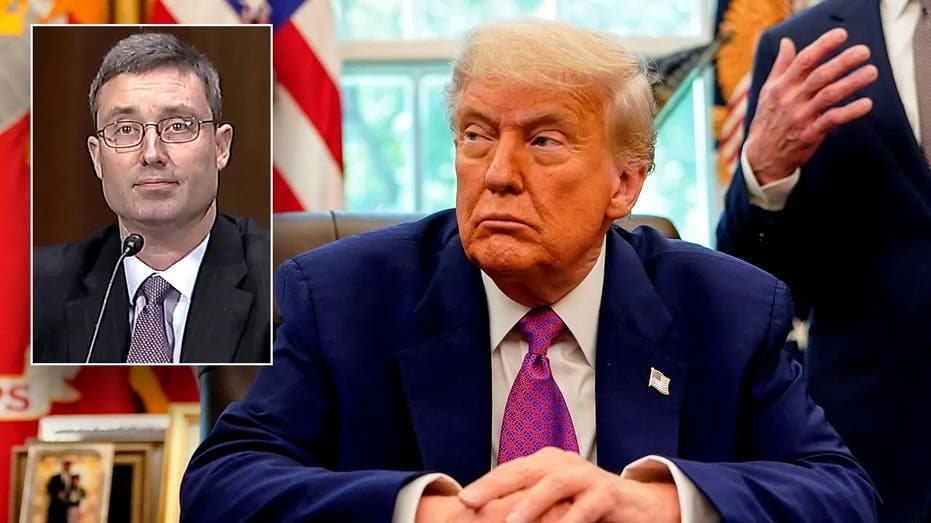
A federal judge appointed by President Biden has temporarily blocked the Trump administration's effort to end Temporary Protected Status for Ethiopian nationals, reigniting a legal battle over the authority of lower courts after a recent Supreme Court ruling. U.S. District Judge Brian Murphy of the District of Massachusetts issued an administrative stay on Friday in the caseAfrican Communities Together v. Mullin, preserving TPS protections while the court considers whether the plaintiffs can pursue constitutional claims following the Supreme Court's June decision inMullin v. Doe.
The ruling drew an immediate and sharp response from Department of Homeland Security General Counsel James Percival, who accused Murphy of engaging in mutiny against the Supreme Court. Percival, in a post on X, also revived criticism of a May 2025 order from the same judge that halted a deportation flight to South Sudan. DHS had blamed Murphy for forcing ICE officers to land at a U.S. military base in Djibouti, where officials said they faced exposure to malaria and threats of rocket attacks from terrorist groups in neighboring Yemen. «Remember when that district judge rerouted a plane with child rapists headed for South Sudan? The judge made ICE land in Djibouti to face Malaria and terrorist rocket attacks from Yemen,» Percival wrote. «Fun fact: it was the very same Judge Brian Murphy who entered a lawless TPS order today!»
Murphy's Friday order comes amid a broader legal fight over the Trump administration's push to terminate TPS for multiple countries. The litigation began after then-DHS Secretary Kristi Noem determined in December 2025 that conditions in Ethiopia no longer justified the protections and announced the designation would end. Under the department's notice, Ethiopia's TPS designation was set to expire after a 60-day wind-down period, with protections ending on Feb. 13, 2026. Murphy earlier this year granted the challengers' motion to postpone the termination, finding they were likely to succeed on claims that the department failed to follow the proper congressional procedures. That legal landscape shifted dramatically on June 25 when the Supreme Court ruled 6-3 that lower courts generally cannot hear Administrative Procedure Act challenges to DHS decisions on TPS designations or terminations. Since the APA formed the legal backbone of the challengers' case, the administration argued Murphy's injunction should be lifted. However, the Supreme Court left open the possibility that constitutional claims could still proceed, prompting the plaintiffs to refocus their complaint on those arguments.
Murphy's ruling arrived just hours after another federal judge in Massachusetts, Senior U.S. District Judge Patti Saris, issued an administrative stay temporarily halting the administration's effort to terminate TPS for South Sudan. Saris said her order was intended only to maintain the status quo while the court considers whether plaintiffs may amend their lawsuit after the Supreme Court's ruling and was «not a ruling on the merits.» Both cases were brought by the advocacy group African Communities Together along with individual TPS holders. The tandem rulings have led some conservative activists to call on the Trump administration to ignore the orders. Mike Davis, founder of the Article III Project, wrote on X: «These Democrat operatives in robes do not have the power to do this. The Supreme Court just made that crystal clear. So it's time to ignore these clearly lawless orders.» Political commentator Ann Coulter similarly urged the president to disregard the rulings, stating, «These puny little district court judges have been overruled so many times by the supreme court, especially on immigration, I think it's time for the president to take his constitutional oath seriously, and ignore them.»
Murphy has clashed repeatedly with the Supreme Court over the Trump administration's immigration policies, with the justices twice siding with the administration in challenges to his orders restricting deportations of illegal aliens to countries that are not their homelands. The Biden administration first granted Ethiopians Temporary Protected Status in 2022, citing war and a worsening humanitarian crisis. Then-DHS Secretary Alejandro Mayorkas pointed to ongoing armed conflict, widespread violence, human rights abuses, and food insecurity as the basis for the designation. The protections took effect on Dec. 12, 2022, and were later extended through Dec. 12, 2025. DHS estimated that approximately 26,700 Ethiopian nationals living in the United States could qualify for TPS. Fox News Digital reached out to African Communities Together for comment on the latest ruling but did not receive an immediate response.