5 minPolitics
Audio Tapes from Hur Investigation Reveal Biden Memory Lapses
Newly released audio recordings from the 2023 special counsel investigation into Joe Biden’s handling of classified documents show the former president struggling to recall basic names and dates, contradicting Democratic claims that the report's characterization was gratuitous and politically motivated.
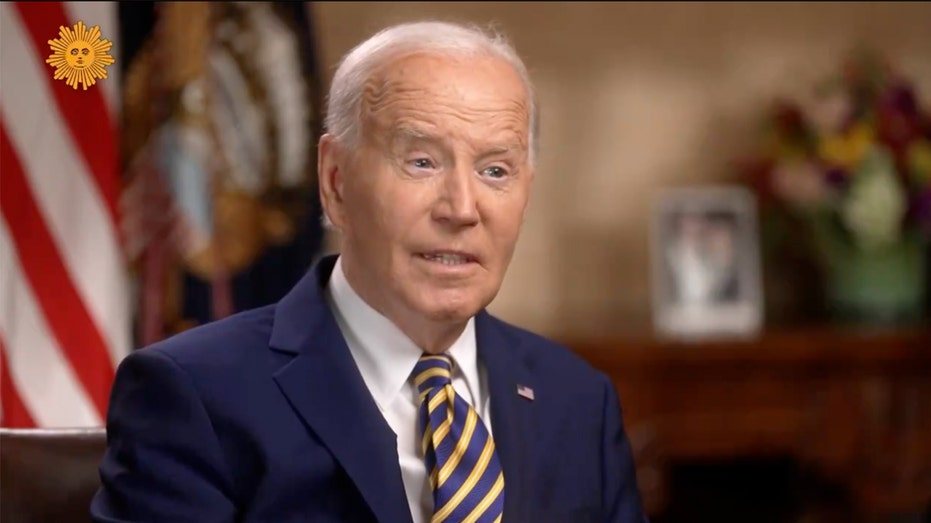
Newly released audio tapes from Special Counsel Robert Hur’s investigation into Joe Biden’s retention of classified documents reveal the former president struggling to remember basic names and dates, undercutting the vigorous defenses mounted by Democrats who last year dismissed the report’s characterization of Biden as “an elderly man with a poor memory.” The recordings, obtained via public records requests by the nonprofit Oversight Project, were made public Monday night after a prolonged legal battle and provide direct evidence of the mental lapses that Hur’s report described as “significantly limited.”
During an interview with his “Promise Me, Dad” ghostwriter in April 2017, Biden repeatedly forgot the names of two key economic advisers from his own administration. At one point, he paused for several seconds before being prompted by the writer, who supplied the name Alan Krueger. “I’ll think of his name,” Biden said on the tape. “I should write the names down because I keep forgetting them.” In another exchange, Biden struggled to recall the date and the name of a fallen service member during a discussion about a memorial service. “I think I went to that memorial service in Wilmington. It says [REDACTED] December the 4th, but I don’t — I know what this means. Memorial service — [REDACTED] gets names really f---ed up,” he said, adding that he could not remember the deceased’s name.
The damning recordings come after a yearlong campaign by Democratic leaders, including then-Vice President Kamala Harris, to discredit Hur’s findings as “gratuitous” and “politically motivated.” Shortly after the special counsel’s report was released in February 2024, Harris told reporters that “the way that the president’s demeanor in that report was characterized could not be more wrong on the facts.” Other prominent Democrats echoed that sentiment. Rep. Dan Goldman of New York called Hur’s report an “editorialization” that was “unnecessary and irrelevant.” Andrew Weissmann, former general counsel to the FBI, said on MSNBC that Hur’s description of Biden’s memory was “gratuitous” and improperly “putting your thumb on the scale that could have political repercussions.”
The release of the audio tapes now undermines those defenses, as the recordings directly support Hur’s assessment that Biden’s memory was “significantly limited” even while he was a private citizen in 2017—long before his re-election campaign. The investigation concluded that Biden had retained classified documents but that a prosecution might not succeed because a jury could view him “as a sympathetic, well-meaning, elderly man with a poor memory.” Hur, a former U.S. attorney appointed by President Donald Trump, conducted the probe in a nonpartisan capacity, and his report was completed months before Biden dropped out of the 2024 presidential race.
Biden’s exit from the race came after a disastrous debate performance against Donald Trump that showcased his apparent mental decline, and his replacement as the Democratic nominee by Harris, who had never won a primary election. The new audio evidence adds to public scrutiny of the administration’s handling of Biden’s age and cognitive fitness. A spokesperson for Biden’s legal team defended the privacy of the recordings earlier, saying the conversations about his late son were private and had been provided to the Justice Department under strict confidentiality. “Reversing course and making them public is,” the spokesperson said, before the full statement was cut off. Nonetheless, the release of the audio appears to confirm the very memory issues that Democrats sought to minimize.
The political fallout from the tapes is likely to revive debate over Biden’s mental acuity and the credibility of Democratic figures who dismissed Hur’s report. Senators who traveled with Biden in early 2024, including Jack Reed of Rhode Island and Tina Smith of Minnesota, had insisted the president was “at the very top of his game.” Smith, after a day with Biden, said he was “all the way through it, both in private and in person.” The audio evidence now casts those assurances in a harsher light. As the 2025 political landscape takes shape, the recordings serve as a lasting record of the disconnect between public defenses and private reality.
84