5 minNews
Tyler Robinson's Lawyers Seek to Ban Cameras Ahead of Hearing on Trial Date
Defense attorneys for Tyler Robinson, accused of killing Charlie Kirk, are again asking a Utah judge to block cameras from the courtroom, citing a recent report on the $1.6 million taxpayer cost of his defense and arguing it could prejudice his right to a fair trial.
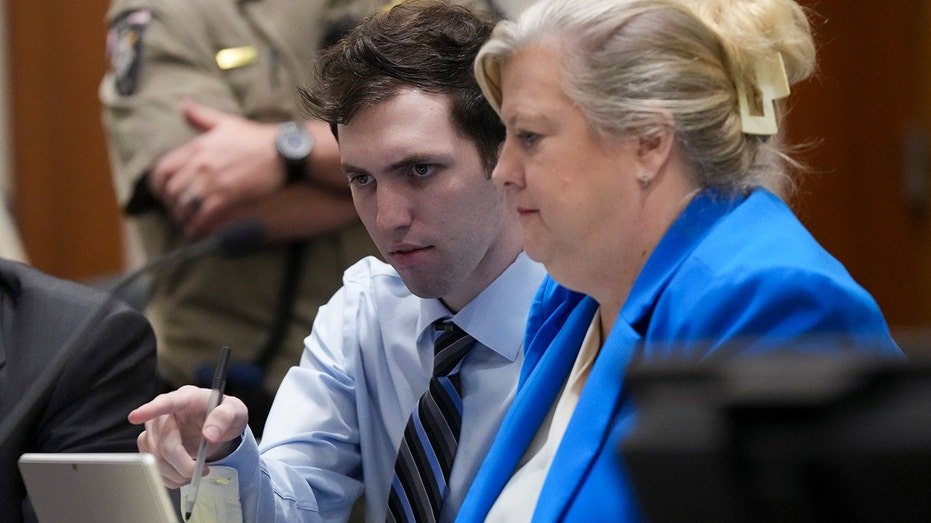
Lawyers for Tyler Robinson, the man accused of assassinating conservative activist Charlie Kirk, are once again asking a Utah judge to bar cameras from the courtroom, this time ahead of a hearing where a trial date could be set. In a filing submitted Monday, the defense argued that continued media coverage of the case — particularly reporting on the cost of Robinson's legal defense — risks undermining his constitutional right to a fair trial.
The upcoming hearing is not expected to include witness testimony, but Robinson's attorneys contend that even routine scheduling discussions could be distorted when broadcast in real time. They warned that statements about the time and resources needed to prepare the case would likely be "examined and disseminated" through social media and other channels and "viewed through the lens of cost, rather than in the context of Mr. Robinson's constitutional rights to the effective assistance of counsel, a fair trial, due process of law, and a reliable penalty determination."
The defense's argument follows a report by The Salt Lake Tribune that Utah County had paid $1.6 million to Robinson's legal team as of last month, exhausting a special $1 million state earmark. High-profile murder cases can cost millions to defend, especially when they proceed to trial, with expenses typically including expert witnesses, defense investigations, and laboratory testing. Some experts have predicted Robinson's defense could ultimately cost as much as $10 million.
Robinson's lawyers have repeatedly sought to block both still photography and video from the courtroom, arguing that cameras violate his right to a fair trial. They have previously likened media coverage of the case to a "reality TV show" and claimed that cameras distract and pressure those in the courtroom. In their latest filing, they argued that additional coverage "risks reinforcing existing prejudicial perceptions of Mr. Robinson and his defense."
They also dismissed the news value of broadcasting the hearing. "Although the resulting litigation schedule may be newsworthy, there is little additional news value in electronically recording and transmitting the back-and-forth among the Court and counsel concerning scheduling matters," they wrote.
Judge Tony Graf Jr. has largely sided with the public, allowing cameras into most proceedings under terms outlined in a decorum order. During a five-day preliminary hearing, one of Robinson's attorneys, Richard Novak, laughed when the judge ruled that a request had been filed too late and that a pool photographer would only be permitted on days two through five.
Robinson is accused of shooting Kirk during a Turning Point USA event at Utah Valley University on Sept. 10, 2025, in front of a crowd of roughly 3,000 people. He faces a top charge of aggravated murder and could receive the death penalty if convicted. Other charges include felony discharge of a firearm causing serious bodily injury, obstruction of justice, witness tampering, and committing a violent offense in front of a child.
His lead attorney, Kathy Nester, entered not guilty pleas on his behalf during a brief arraignment in September. The case has drawn intense national attention, and the defense has also fought to seal evidence and to have prosecutors punished over allegations of misconduct. The judge has previously explained why the death penalty remains on the table.
The Oct. 23 hearing is expected to focus on scheduling, but it could also mark the first time a trial date is formally set. As the proceedings move forward, the fight over courtroom access is likely to continue, with the defense pressing for secrecy and the public and media arguing for transparency. The judge's decisions on these matters will shape how much of the case the public can watch in real time.
6