5 minNews
Trump faces Iran's strategy of widening the battlefield, military analyst warns
A military strategy analyst warns that Iran is using its oldest tactic of widening the conflict to avoid direct confrontation, as the U.S. strikes Iranian targets and Tehran responds by targeting shipping and allies.
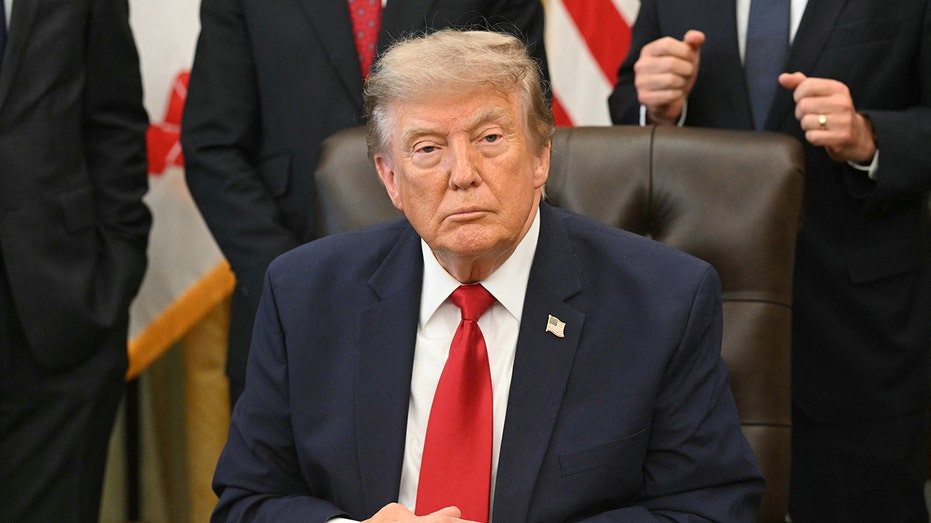
President Donald Trump holds the stronger military position against Iran, but Tehran is employing a familiar strategy of widening the battlefield rather than engaging in direct confrontation, according to a military strategy analyst. The pattern, reminiscent of the Iran-Iraq War's Tanker War, sees Iran responding to American strikes not with equal force but by shifting pressure to commercial shipping, energy routes, and regional allies.
U.S. Central Command has confirmed fresh strikes on Iranian coastal defense and missile sites as part of an effort to reimpose a naval blockade on Iranian ports and degrade Tehran's ability to threaten shipping through the Strait of Hormuz. Iran has answered with strikes on U.S.-linked targets in Bahrain, Kuwait, and Jordan, as well as cruise-missile strikes that killed and wounded mariners aboard tankers in the strait. The analyst argues that this is not simple retaliation but a calculated counter-move designed to make each American strike produce a wider problem.
The Strait of Hormuz remains a critical chokepoint, with the U.S. Energy Information Administration reporting that oil flow through the strait averaged roughly 20 million barrels a day in 2024, about a fifth of global petroleum consumption. However, the analyst warns that Iran may be signaling it could use its Houthi allies in Yemen to threaten the Bab el-Mandeb gateway to the Red Sea, putting a second vital energy artery at risk. Closing Bab el-Mandeb would force tankers around southern Africa, adding time and cost to global energy shipments, turning a one-chokepoint crisis into a test of American staying power.
The analyst cites the Tanker War of the 1980s as a cautionary tale. During that conflict, Iran helped turn the Persian Gulf into a battlefield, and the U.S. Navy launched Operation Earnest Will to escort reflagged Kuwaiti tankers. After the frigate USS Samuel B. Roberts struck an Iranian mine, the Navy responded with Operation Praying Mantis, sinking or damaging a significant portion of Iran's operational navy in a single day. Iran learned that mines, tankers, shipping lanes, and oil anxiety could force a far stronger power to defend much more than a single waterway.
Washington also handed Tehran an argument it did not deserve, the analyst notes. Trump floated a 20% fee on shipping through Hormuz, then dropped the idea a day later. The U.N.'s International Maritime Organization said there is no legal basis for mandatory tolls on an international strait under transit-passage rules. The proposal, even withdrawn, was an unforced error that undermines America's credibility in telling Iran it has no right to toll an international waterway.
The larger danger, according to the analyst, is that repetition becomes a substitute for strategy. Axios reports that Trump convened a Situation Room meeting to weigh an offensive wider than the current strikes near Hormuz, and Trump has said publicly that strikes on Iranian power plants and bridges could follow if Tehran does not return to the table. The analyst warns that force works when it narrows an enemy's options but fails when it multiplies America's obligations.
Tehran is betting that every American strike, threat, and widened blockade will look like progress while adding another place Washington must defend. The analyst advises Trump to refuse that bet by following three disciplines: stop making maritime policy in public, name the war America is actually fighting, and use force to narrow the war rather than expand it on Tehran's terms. American power should shrink Iran's options, not multiply Washington's burdens.
The analyst concludes that Iran cannot defeat the United States directly, and it does not have to. Its strategy is to widen the board, raise the cost, and survive long enough to call endurance a kind of victory. Trump holds the stronger pieces and has put Iran in check more than once this year, but check is not checkmate. A regime under pressure can still escape, counterattack, and drag the fight into a costlier configuration if its opponent mistakes movement for strategy.
83