5 minNews
Trump administration embraces WNBA star Sophie Cunningham's stance on transgender athletes
The Trump administration is using WNBA player Sophie Cunningham's comments opposing transgender athletes in women's sports to promote its policy agenda, with White House press secretary Karoline Leavitt praising her remarks as 'truth' and the Department of Education celebrating her as a 'common sense' role model.
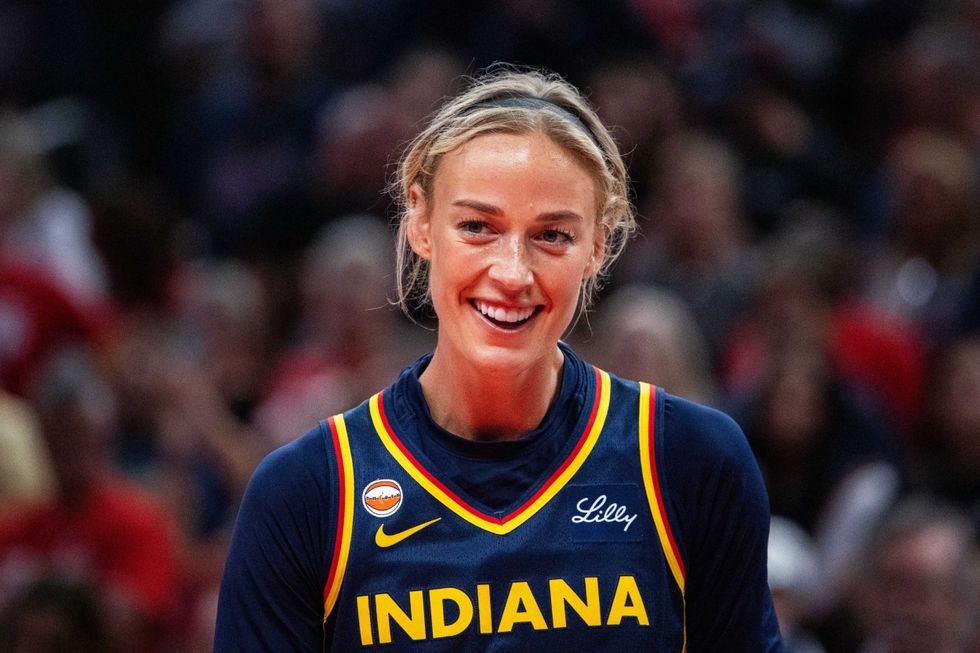
The Trump administration has seized on comments by Indiana Fever guard Sophie Cunningham opposing transgender athletes in women's sports, using her statements to bolster its own policy agenda, according to a report from the Washington Post. White House press secretary Karoline Leavitt confirmed during a press briefing Thursday that President Donald Trump was following coverage of Cunningham's remarks, which she made in an ESPN interview this week.
Leavitt told reporters that Cunningham was speaking the truth about transgender female athletes, and she expressed astonishment at the backlash the player has received from Democrats and left-wing figures across the country. The White House has made clear that Trump supports protecting women and girls in sports, and he moved swiftly last year to roll back transgender policies implemented by the Biden administration, including issuing an executive order aimed at banning transgender athletes from competing on girls' and women's sports teams.
The Department of Education amplified Cunningham's comments by sharing a photo of her wearing a crown on social media, with a caption declaring that common sense prevails. The post quickly drew attention and further fueled the ongoing national debate over transgender participation in athletics.
Cunningham, who plays for the Indiana Fever, told ESPN that she wants to protect young girls in locker rooms and in sports who should not have to compete against biological men. Her interview has drawn backlash from other WNBA players, but she has stood by her statements. Republican lawmakers and tennis legend Martina Navratilova have publicly sided with Cunningham, adding to the political and cultural dimensions of the controversy.
The debate over transgender athletes in women's sports has become a flashpoint in American politics, with the Trump administration taking a firm stance against allowing transgender women and girls to compete in female categories. The issue has also sparked discussions about fairness, safety, and the integrity of women's sports, with advocates on both sides presenting arguments based on biology, inclusion, and civil rights.
Meanwhile, the Indiana Fever have faced renewed scrutiny after former player Brianna Turner accused the organization of firing a male staff member over sexual harassment allegations during her time with the team. Turner, now with the Las Vegas Aces, made the allegations on social media after Cunningham's comments on transgender athletes. She argued that organizations like the Fever pose a greater threat to the game than transgender athletes, pointing to the alleged conduct of the fired staff member as a more pressing issue.
Turner also defended transgender inclusion, citing former WNBA player Layshia Clarendon, who was born female before later identifying as transgender. She wrote on social media that there has been only one openly transgender player in the league's history and that they caused zero problems. She contrasted that with what she described as sexism, misogyny, homophobia, and racism within the sport.
The Indiana Fever responded to Turner's allegations with a statement Thursday, saying that protecting players and employees and maintaining a respectful, professional workplace is their top priority. The team said its policy is to take concerns seriously, investigate thoroughly, and act promptly when appropriate, but it declined to comment on personnel matters involving former employees. It remains unclear whether the WNBA will review Turner's allegations, as the league had not announced an investigation or publicly commented as of Thursday.
The controversy surrounding Cunningham's comments and Turner's allegations highlights the complex and often contentious intersection of sports, politics, and social issues in the United States. The Trump administration's embrace of Cunningham's stance underscores the administration's broader efforts to reshape federal policies on transgender rights, particularly in educational and athletic settings.
As the debate continues, the WNBA finds itself at the center of a national conversation about fairness, inclusion, and the future of women's sports. The league, which has historically been a vocal advocate for social justice and LGBTQ+ rights, now faces internal and external pressures as players, fans, and political figures weigh in on the issue.
88