5 minNews
Supreme Court Justices Make Rare Visit to Capitol Hill for First Time Since 2019
Supreme Court justices are heading to Capitol Hill for their first appearance since 2019, marking a significant moment in judicial-legislative relations. The visit comes amid ongoing debates over court ethics and reforms.
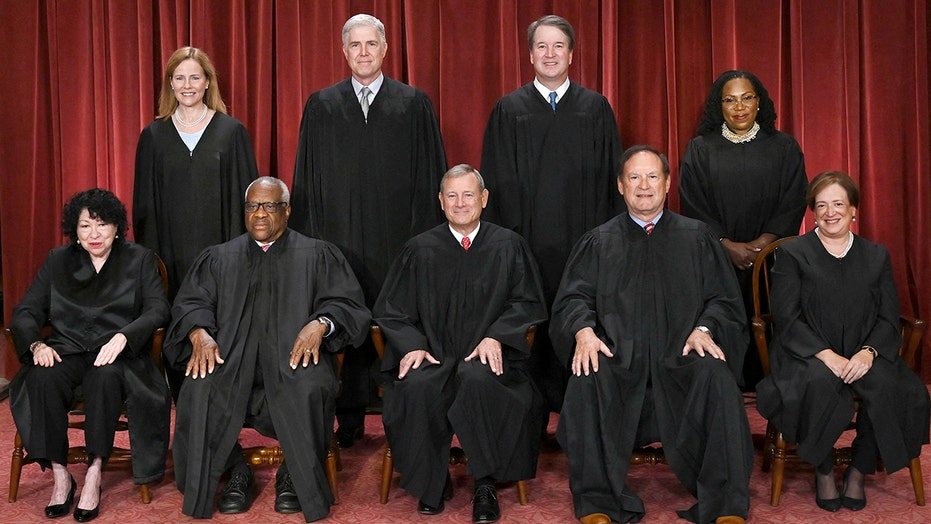
Supreme Court justices are set to make a rare visit to Capitol Hill, marking their first appearance before Congress since 2019. The visit signals a renewed effort to address longstanding tensions between the judicial and legislative branches, as lawmakers continue to debate potential reforms to the nation's highest court.
The trip, which brings together all nine justices, is expected to include meetings with key congressional leaders and committee chairs. Discussions are likely to focus on judicial ethics, transparency, and the court's administrative needs, though specific agenda items have not been publicly detailed. The last such appearance occurred in 2019, when justices testified before the Senate Appropriations Committee about the court's budget and security.
This visit comes at a time of heightened scrutiny for the Supreme Court. Recent controversies over undisclosed gifts, travel, and potential conflicts of interest have prompted calls for a binding code of ethics, something the court currently lacks. While the justices have voluntarily adopted a new ethics policy, critics argue it does not go far enough. The visit provides an opportunity for direct dialogue between the branches on these issues.
Chief Justice John Roberts has previously emphasized the importance of maintaining judicial independence while also acknowledging the need for accountability. The visit is seen as a step toward bridging the gap between the court and Congress, which has grown wider in recent years amid partisan battles over judicial confirmations and rulings on high-profile cases.
Senate Judiciary Committee members are expected to raise questions about the court's recusal practices and the handling of cases involving financial ties. Some lawmakers have proposed legislation requiring the court to adopt a formal ethics code enforceable by an outside body, a measure that has faced resistance from some justices who argue it could undermine judicial independence.
The visit also occurs against the backdrop of a broader political landscape in Washington. Vice President JD Vance is heading to Capitol Hill as the White House pressures GOP holdouts on key legislative priorities. Meanwhile, a Trump-backed Daylight Saving bill has survived a key House vote and is moving toward passage, reflecting the administration's influence on domestic policy.
In other news, the sister of the late Senator Lindsey Graham has been appointed to fill his seat in the Senate, continuing a tradition of familial succession in South Carolina politics. Graham, who served for decades, was a prominent voice on foreign and domestic policy. His passing has prompted reflections on his legacy, particularly his evolution from a fierce critic of Donald Trump to one of the former president's most influential allies on war and peace.
The United States has also launched a fresh wave of attacks on Iran in a five-hour mission, escalating military operations in the region. The strikes target Iranian-backed forces, part of a broader strategy to counter threats to American interests. The mission underscores the ongoing volatility in the Middle East and the Biden administration's commitment to defending allies.
Domestically, a SEAL Team 6 member has shed new light on the Osama bin Laden raid, revealing details about the operation that have not been previously disclosed. The account adds to the historical record of one of the most significant counterterrorism missions in U.S. history.
On the cultural front, a new survey shows that more Americans are eating in their cars than ever before, a trend experts say reflects the fast pace of modern life and changing dining habits. The phenomenon highlights shifts in consumer behavior and the growing demand for convenience.
The Supreme Court's visit to Capitol Hill is a reminder of the delicate balance of power enshrined in the Constitution. As the justices engage with lawmakers, the outcome of these discussions could shape the future of judicial oversight and the relationship between the branches of government for years to come.
80