6 minNews
Serhiy Sternenko Claims Oleksandr Syrskyi No Longer Commander-in-Chief of Ukrainian Armed Forces
Ukrainian activist Serhiy Sternenko announced on Telegram that General Oleksandr Syrskyi has been removed as commander-in-chief of the Armed Forces of Ukraine, though no official decree has been issued.
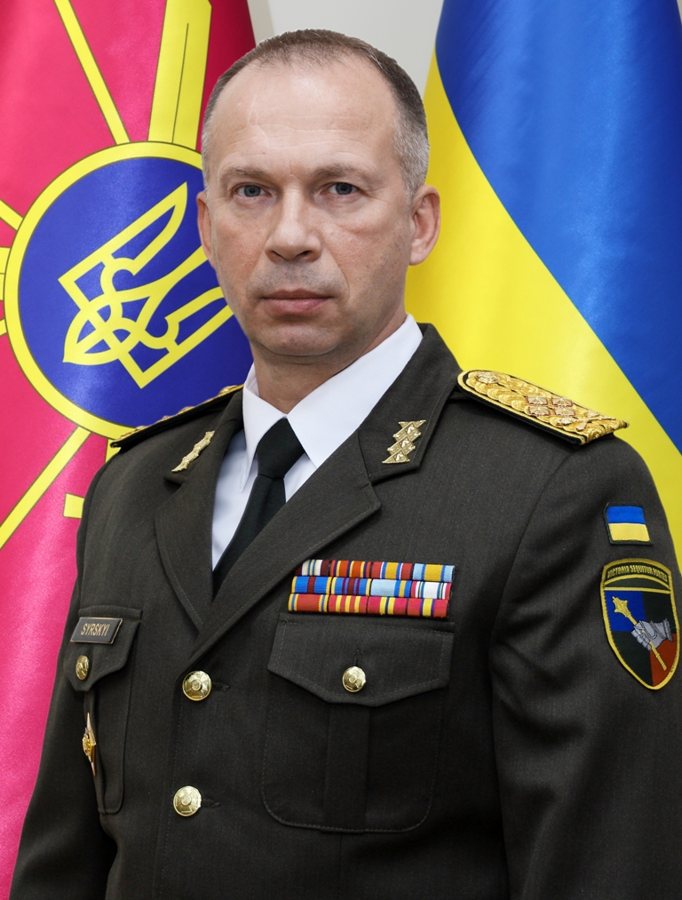
Ukrainian public figure and volunteer Serhiy Sternenko has claimed that General Oleksandr Syrskyi is no longer the commander-in-chief of the Armed Forces of Ukraine. In a Telegram post published on Tuesday, Sternenko wrote: «Syrskyi is no longer the commander-in-chief.» The statement quickly circulated across social media platforms, drawing widespread attention amid ongoing public pressure on Ukraine's military leadership.
Shortly after Sternenko's post, the official Telegram channel of Oleksandr Syrskyi responded with a sarcastic remark: «Sternenko is no longer a rapper. 1:1.» The reply appeared to dismiss Sternenko's claim as unfounded, but it did not provide any official confirmation or denial regarding Syrskyi's status. The exchange has fueled speculation about potential changes in Ukraine's military command structure.
As of now, no official decree from Ukrainian President Volodymyr Zelenskyy or any government statement has confirmed Syrskyi's dismissal. The absence of an official announcement leaves the situation ambiguous, with Sternenko's claim remaining unverified by authoritative sources. The Ukrainian presidential administration has not commented on the matter, and the Defense Ministry has not issued any statements regarding changes in military leadership.
The claim comes against a backdrop of growing public criticism and demands for Syrskyi's resignation. In recent weeks, several Ukrainian lawmakers, military analysts, and civic activists have voiced dissatisfaction with the general's performance, particularly regarding the management of ongoing military operations and the handling of personnel issues. Some critics have accused Syrskyi of failing to adapt to evolving battlefield conditions, while others have pointed to strategic setbacks in certain sectors of the front line.
Public pressure on President Zelenskyy to replace Syrskyi has intensified, with some calling for a more decisive and innovative approach to military command. However, it remains unclear whether these demands have influenced any decision-making within the government. The relationship between the political leadership and the military command has been a subject of intense debate in Ukraine, especially as the war with Russia continues to strain resources and morale.
Syrskyi, who took over as commander-in-chief in February 2024 following the dismissal of General Valeriy Zaluzhnyi, has been a controversial figure. His appointment was seen as an attempt by Zelenskyy to assert greater control over military strategy, but it also sparked concerns about politicization of the armed forces. Under Syrskyi's leadership, Ukrainian forces have faced significant challenges, including a Russian offensive in the Kharkiv region and ongoing battles in the Donetsk area.
Sternenko, a well-known activist and volunteer, has been a vocal critic of the government and military leadership. His Telegram channel has a large following, and his statements often generate significant public discussion. However, his claims are not always backed by official sources, and his influence has sometimes been a source of controversy. In this case, his announcement about Syrskyi has been met with both support and skepticism.
The lack of official confirmation has led to confusion among Ukrainian media and the public. Some outlets have reported the claim as a developing story, while others have urged caution until official information is available. The situation highlights the challenges of navigating information in a wartime environment, where rumors and unverified reports can spread rapidly.
If Syrskyi's dismissal is confirmed, it would mark a significant shift in Ukraine's military leadership at a critical juncture in the war. The selection of a new commander-in-chief would likely be closely watched by both domestic and international observers, as it could signal changes in military strategy or priorities. Potential successors have been speculated upon, including General Mykhailo Drapatyi, who currently commands the Kharkiv operational group, and Colonel General Oleksandr Pavlyuk, who serves as the commander of the Ground Forces.
For now, the situation remains fluid. Sternenko's claim has not been substantiated, and Syrskyi's sarcastic response suggests that the general remains in his position. Until an official announcement is made, the status of Ukraine's top military commander remains uncertain. The Ukrainian government has historically been cautious about announcing leadership changes during wartime, often waiting until transitions are fully prepared before making public statements.
The incident also underscores the role of social media in shaping public discourse in Ukraine. Telegram channels have become a primary source of information for many Ukrainians, but they also pose risks of misinformation. The exchange between Sternenko and Syrskyi's channel illustrates how quickly unverified claims can gain traction, even when they are not supported by official sources.
As the story develops, journalists and citizens alike are advised to rely on official channels for confirmation. The Ukrainian government has not indicated when it might issue a statement on the matter, but the public will likely demand clarity in the coming days. The outcome of this episode could have implications for public trust in both the military leadership and the government's communication strategy.
86