6 minNews
Ryan Clark's ESPN Dismissal Sparks Debate Over Network's Handling and Internal Tensions
Ryan Clark's firing from ESPN has drawn criticism from prominent sports media figures who view him as a victim, but reporting reveals internal tensions and a leaked timeline that may explain the network's actions.
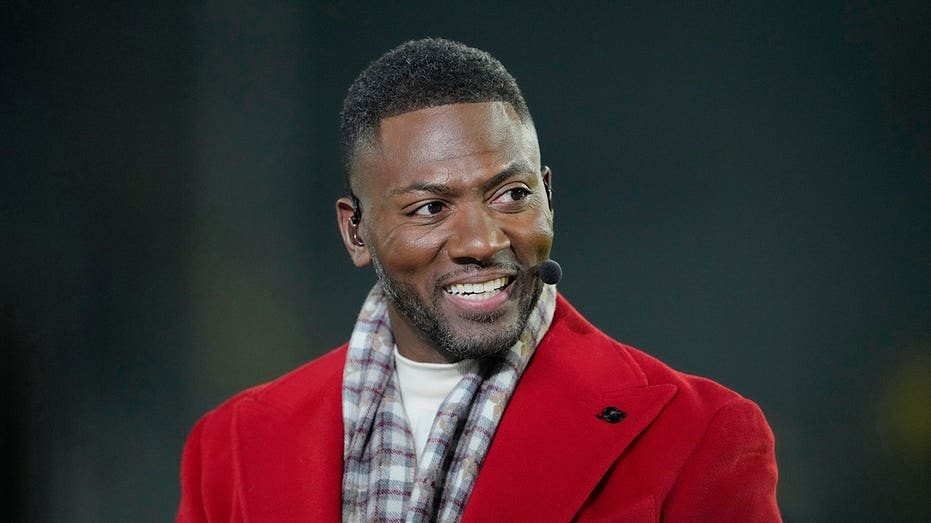
The dismissal of Ryan Clark from ESPN has ignited a fierce debate across the sports media landscape, with many prominent voices rushing to cast the former NFL analyst as a victim and the network as a villain. Within hours of the news breaking, figures such as Stephen A. Smith, Emmanuel Acho, and Jemele Hill publicly criticized ESPN's handling of the situation, accusing the network of disrespect and cowardice. However, behind the public outcry lies a more complex story involving internal tensions, a leaked timeline, and questions about Clark's relationships within the company.
Stephen A. Smith, one of ESPN's most recognizable personalities, said he confronted executives over the decision, calling Clark «arguably the best NFL analyst in America.» Emmanuel Acho described the network's approach as «cowardly» and «wildly disrespectful,» while Sarah Spain lamented the loss of «another incredibly smart, thoughtful, nuanced talent.» Pro Football Talk's Mike Florio contrasted Clark's «high road» with what he called ESPN's «low road.» Jemele Hill went further, suggesting that Clark had a «hater» or multiple haters inside ESPN and theorizing that someone within the network intentionally leaked the news to OutKick to create a conservative media narrative against him, though she offered no evidence for that claim.
The speed and breadth of the leak have raised questions that Clark's defenders have largely avoided: How many enemies had he made inside ESPN? According to reporting by OutKick, the network had planned to inform Clark of his dismissal later in the day but was forced to accelerate the conversation after the news leaked. OutKick contacted ESPN's communications department at 4 p.m. to confirm the story, having gathered confirmation from four separate sources. ESPN asked for time until 5:45 p.m. to «chase this down,» but OutKick declined, offering to add any response before publication. At 4:49 p.m., ESPN unexpectedly gave the green light, and the story was published shortly after. The most logical explanation is that ESPN believed it still had time to manage Clark's exit quietly but failed to anticipate that the information would leak before the network was ready to tell him.
This raises a more uncomfortable question than those posed by Clark's defenders: Why were so many people inside or around ESPN willing to talk about his dismissal? A former ESPN producer who worked with Clark described an atmosphere of tension. Clark often carried himself as though he were the smartest person in the room, making it difficult for producers and other employees beneath him in the hierarchy to offer feedback or challenge him. The producer recalled one Sunday afternoon when Clark joined a group of about 25 to 30 employees watching games in a conference room. Clark sat in the back with his arms folded, scoffing at opinions offered by others, until most people stopped talking. The producer left to watch the games from a control room, feeling that Clark had ruined the experience. While this anecdote does not prove why ESPN fired Clark, it does make the speed of the leak less surprising. People rarely risk their relationships with a company to leak sensitive personnel news about a universally beloved colleague.
Clark's dismissal did not occur in a vacuum. He was forced to apologize after making inaccurate claims on ESPN about the investigation into former LSU receiver Kyren Lacy's role in a fatal crash. Clark presented claims from Lacy's attorney as established fact and accused law enforcement of wrongdoing before Louisiana State Police released additional evidence that contradicted key parts of the story. He later acknowledged that he had failed to provide complete and accurate information. Additionally, Clark admitted on ESPN that he had argued in favor of Bryce Young over C.J. Stroud despite privately believing Stroud was the superior quarterback, raising questions about his on-air candor.
The incident has also highlighted broader dynamics within ESPN, a network that has long been a lightning rod for criticism from both the left and the right. Jemele Hill's attack on OutKick as a «disgusting» right-wing «rag» reflects the polarized media environment in which these debates unfold. Yet the central issue remains Clark's departure and the manner in which it was handled. While his defenders see a pattern of disrespect from the network, others see a talented but difficult employee whose internal conflicts may have contributed to his downfall.
As the sports media world continues to dissect the events, one thing is clear: Ryan Clark's firing has become a flashpoint for larger conversations about workplace dynamics, media bias, and the treatment of talent in the high-stakes world of sports broadcasting. Whether ESPN's handling was a case of poor planning or something more deliberate, the fallout is likely to reverberate for some time.
80