4 minNews
Philadelphia Serial Killer Probe May Expose Wider Network Behind Alleged Snuff Films, Expert Says
A forensic psychologist says the investigation into gruesome images found at a Philadelphia home could reveal a distribution network for so-called snuff films, as police link the property to seven missing women and review more than a million pieces of digital evidence.
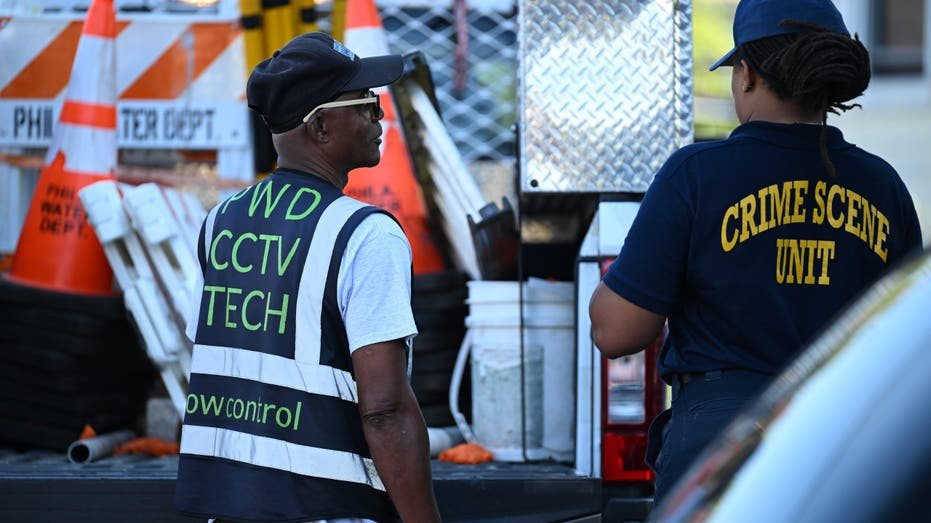
Philadelphia police are investigating whether a cache of violent images discovered at a family home in the city's Olney neighborhood was part of a wider distribution network for so-called snuff films, according to a prominent forensic psychologist who has reviewed the case's public dimensions.
The home on Chew Avenue belonged to Raymond «RC» Horsch, an 82-year-old convicted methamphetamine producer and author of sexually explicit and violent books who died last year. His son, Eugene Horsch, 44, was arrested in June on charges involving unlawful firearms and forgery. During that investigation, authorities made a series of unsettling discoveries, including alleged snuff videos believed to show multiple missing women and a drum of chemicals hooked up to the water system.
Dr. Kris Mohandie, a board-certified forensic psychologist, said the elder Horsch's background in the pornography industry suggests a possible profit motive alongside the sadistic impulses typical of serial offenders. «The fact that the father was involved in the pornographic industry indicates that there may have been, in addition to the sadistic motives that we usually see in serial murders, that there may have been profit in distribution of so-called snuff films,» Mohandie said.
Police have said the Horsch home has been linked to the cases of seven missing women, at least five of whom are believed to be dead. No homicide charges had been filed as of Friday. Eugene Horsch has not been charged in connection with the missing women.
Authorities have recovered more than a million pieces of digital evidence from the home, including photos and videos. As of Friday, investigators had reviewed less than a third of that material. They have allegedly identified four of the missing women in the images. Two have been publicly identified: Gabrielle Amarando and Maribel Fresses.
The video evidence was particularly alarming to Mohandie, who said the material could point to a broader criminal ecosystem. «This may very well be in addition to all the heinous alleged crimes that seem to be part of this, you know, abduction, rape torture and so forth, things that sadistic offenders will do to victims — there may very well also have been a participation in distributing so-called snuff films to underground networks of people that are into this stuff,» he said. «It's scary, and I'm hoping that the investigators are able to resolve some of those questions.»
At the time of Eugene Horsch's arrest in the spring, authorities alleged that a woman with him was carrying the identification of one of the missing women. Excavation crews have been seen searching outside and under the home, including the sewers, as the investigation continues.
RC Horsch was a convicted producer of methamphetamines and the author of sexually explicit and violent books. One of his works, 2014's «Empathy,» includes a chapter about dissolving a murdered woman's body with boiling chemicals. Amazon and Goodreads de-listed the volume on Friday.
The case has drawn attention from true-crime observers and victim advocates, who note that the identification of the missing women depends on the painstaking review of digital files. Philadelphia police have not announced a timeline for completing that review or for filing additional charges.
Mohandie's assessment suggests that if the videos were distributed, the investigation could expand beyond the Horsch property to individuals who received or traded the material. «It's scary, and I'm hoping that the investigators are able to resolve some of those questions,» he said. The investigation remains ongoing.