4 minNews
Pennsylvania records first measles deaths in 35 years as outbreak reaches 393 cases
Pennsylvania confirmed its first measles-related deaths in 35 years, with two unvaccinated Lancaster County residents succumbing to the virus. The state has recorded 393 cases across 28 counties in 2026, prompting health officials to urge vaccination.
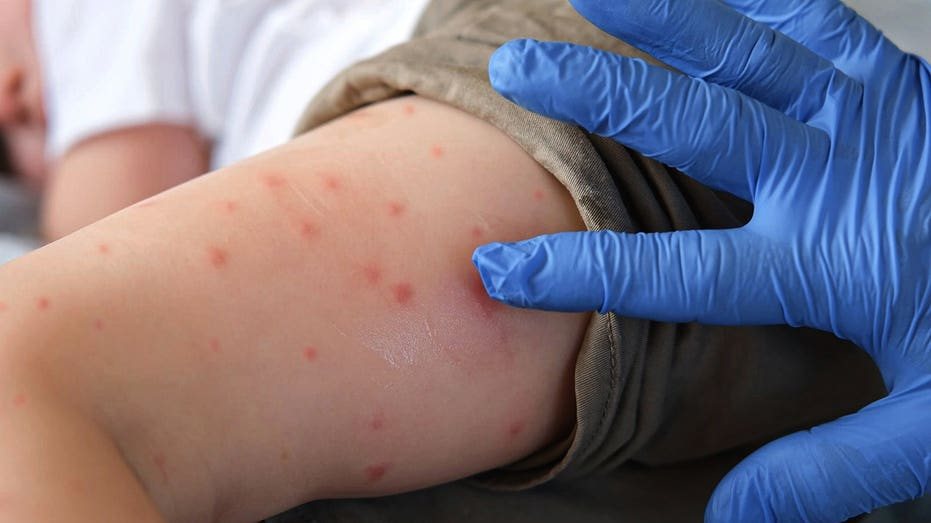
Pennsylvania health officials confirmed two measles-related deaths on Tuesday, marking the first fatalities from the highly contagious virus in the state in 35 years. The Pennsylvania Department of Health said both individuals were residents of Lancaster County and were unvaccinated, underscoring the agency's warning that the measles, mumps and rubella (MMR) vaccine remains the most effective protection against infection.
State health officials have now recorded 393 measles cases across 28 counties so far in 2026. The outbreak has renewed attention on vaccination rates and community immunity, with the department emphasizing that a two-dose MMR regimen provides 97% lifetime protection. Measles can be fatal in one to three patients per 1,000 cases, and nearly 20% of those infected require hospitalization, according to state data.
Pennsylvania Secretary of Health Dr. Debra Bogen expressed sympathy for the families affected, saying in a statement that the losses are a reminder of the disease's severity. «Because measles was largely eliminated in the Commonwealth for more than three decades, people are not familiar with this disease and don't fully understand the potential severity of the illness,» she said. «We want to ensure that every Pennsylvanian has the information they need to protect themselves, their loved ones and their communities.»
The virus spreads through respiratory droplets when an infected person breathes, coughs or sneezes, and it can remain infectious in the air and on surfaces for up to two hours after the person leaves the area. Early symptoms include fever, cough, runny nose and red, watery eyes, followed by a rash that starts on the head and spreads downward. Symptoms typically appear seven to 21 days after exposure, and health officials advise anyone who suspects exposure to contact a healthcare provider.
Medical experts have pointed to vaccination as the central tool for controlling the outbreak. Dr. Jesse Goodman, former chief scientist at the Food and Drug Administration, called the MMR vaccine «extremely safe and highly effective,» noting that it prevents millions of measles deaths worldwide each year. «There is no evidence that MMR vaccine causes any chronic illnesses, including autism,» he said.
Dr. Amesh Adalja, senior scholar at the Johns Hopkins Center for Health Security, said Pennsylvania's long stretch without a measles death was not accidental. «It was the vaccine working so completely that an entire generation of parents grew up never seeing what this virus does to a child's lungs or brain,» he said. «That protection is increasingly not valued, and this is the predictable result when the population turns their back on a life-saving technology.»
Measles is among the most contagious known viruses, with up to 90% of susceptible people becoming infected after exposure. Public health guidance calls for a 95% vaccination coverage rate to achieve herd immunity, which protects those who cannot receive the live-virus vaccine, including some immunocompromised individuals and pregnant women. Dr. Marc Siegel, a senior medical analyst, stressed that the issue extends beyond individual choice. «This isn't about personal choice, it's about community protection,» he said. «We need to protect those who can't have a live virus vaccine because they are immunocompromised or pregnant.»
53