4 minNews
New Orleans 911 to Use AI for Some Repeat Crash Calls
New Orleans emergency call center will deploy an AI system to handle certain repeat calls about known car crashes, freeing human operators for other emergencies.
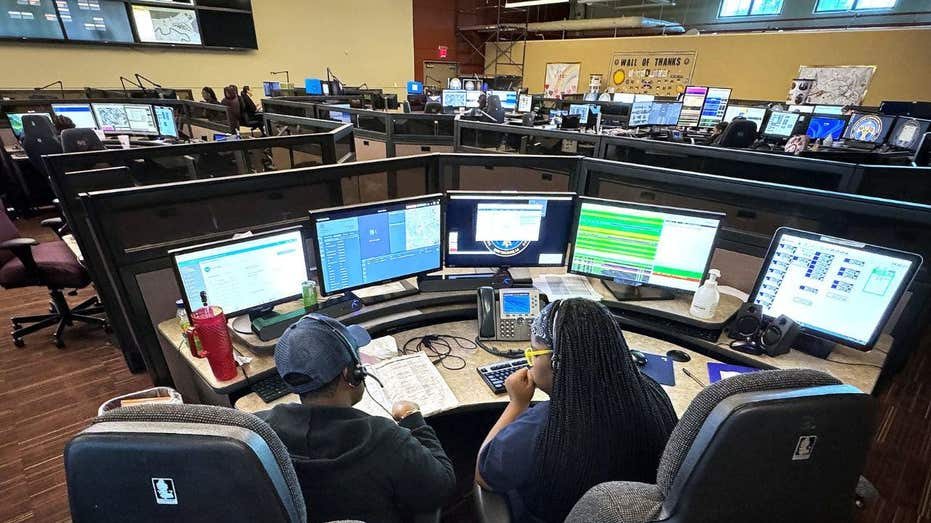
Calling 911 in New Orleans may soon involve speaking with an artificial intelligence system, but only under narrow circumstances. The Orleans Parish Communication District (OPCD), which manages emergency communications for the city, has introduced AI-assisted call triage for certain calls about car crashes that have already been reported. The system is designed to manage the flood of repeat calls that often follows a single accident, allowing human call-takers to focus on other emergencies.
The AI, developed by emergency communications company Carbyne and branded as AI-V Emergency Call Triage, was launched in 2023 after several months of testing. It activates only when every human call-taker is occupied and when an incoming call originates within 200 meters, or about 650 feet, of a crash already known to 911. The system begins by identifying itself as New Orleans 911 and asks whether the caller is reporting an accident at a specific location. If the caller answers anything other than yes, the call is immediately returned to the queue for a human operator. This safeguard works regardless of the language used.
If the caller confirms they are calling about the known crash, the AI informs them that 911 is already aware of the incident. Callers who are involved in the accident or who have additional information can stay on the line for a human. Otherwise, the system advises that they may hang up. Importantly, the AI cannot end the call itself; the caller decides when to disconnect. The system also cannot dispatch emergency responders or determine the urgency of a call. Its sole function is to identify this specific type of repeat crash report and decide whether the caller needs to remain in the human queue.
OPCD emphasizes that the technology is not a large language model like ChatGPT. It performs a narrowly defined task within the emergency communications network. The system defaults to a human operator when it cannot understand a caller or when a call falls outside the limited crash scenario it was designed to handle. It supports multiple languages and was trained using local 911 recordings to better recognize New Orleans accents and street names, a practical consideration in a city where unfamiliar pronunciations could trip up a generic voice system.
Privacy and accountability safeguards are built into the system. OPCD says calls handled by the AI are logged with normal metadata and audio recordings, and those records remain available for investigators. The agency also states that calls are not uploaded to any external large language model. Standard callback procedures remain in place: if a caller hangs up after being placed in the queue, the call center can still contact them once staff work through the backlog. OPCD advises callers to stay on the line whenever possible.
Before going live, OPCD tested the technology for several months and reviewed 100% of calls handled during the first three months of operation. The agency reports no false positives or false negatives during that review period, meaning the system handled exactly the calls it was expected to handle and did not take over calls outside its intended use. Carbyne has published performance figures from its work with OPCD, though these are vendor-reported rather than independent findings. OPCD says its compliance team continues to audit the technology closely.
54