5 minNews
New Jersey Data Center Spills 5,000 Gallons of Diesel Into Hackensack River Tributary
An Equinix data center in Secaucus, New Jersey, leaked 5,000 gallons of diesel fuel into a tributary of the Hackensack River, the largest data center-related spill in state history. The incident, caused by two broken valves, has intensified public concerns about the environmental impact of the AI-driven data center boom.
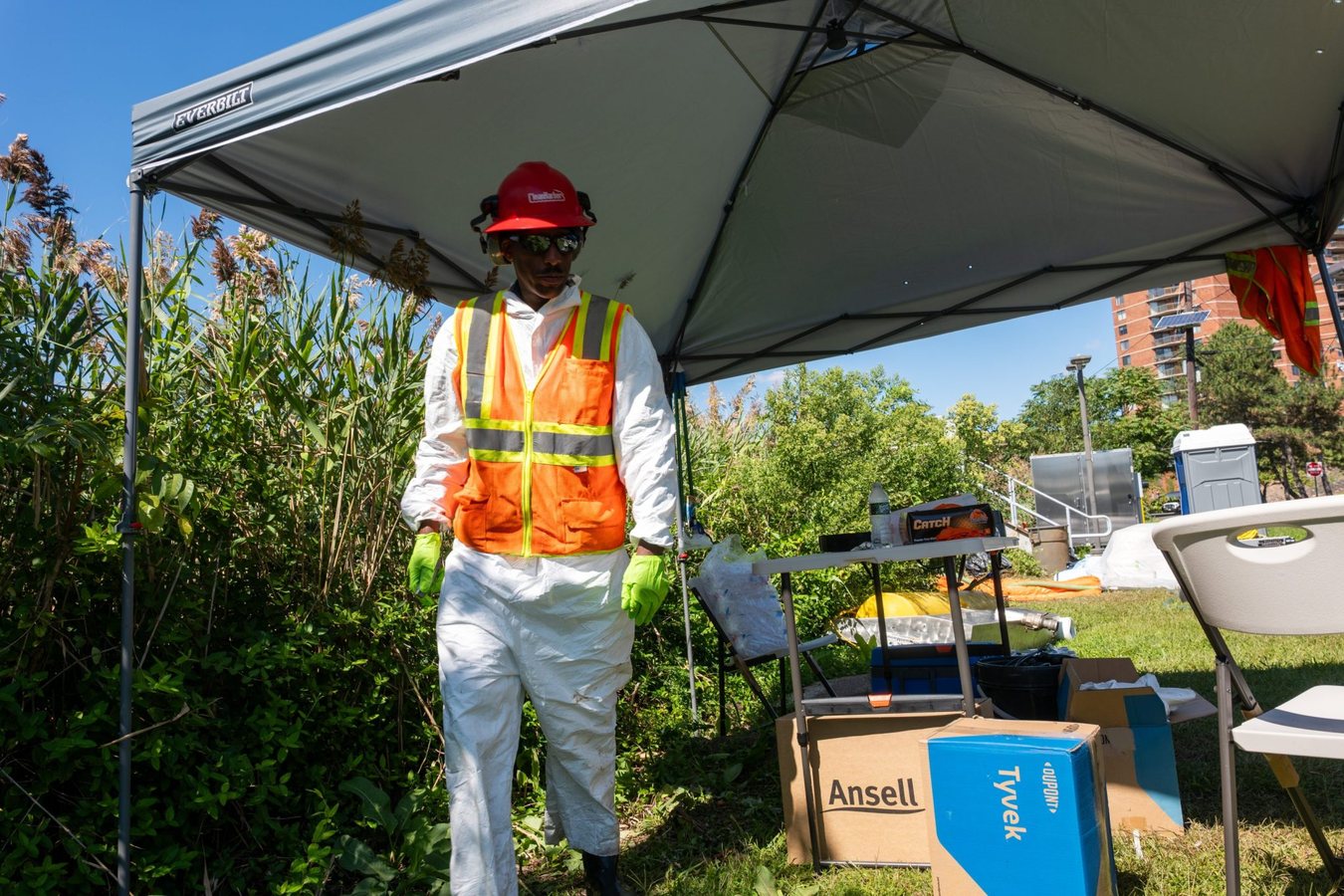
A diesel fuel spill at an Equinix data center in Secaucus, New Jersey, has released 5,000 gallons into a tributary of the Hackensack River, marking the largest data center-related fuel spill in state history and intensifying public concerns about the environmental toll of the AI-driven data center buildout.
The New Jersey Department of Environmental Protection said the leak began last week from a storage tank at the facility, which has operated since 2001. The spill, now contained, flowed into an unnamed tributary of the Hackensack River but did not reach the river itself. Cleanup crews over the weekend removed a significant portion of the fuel, recovering about 3,500 gallons as of Monday. The department reported no observed impacts on local wildlife and noted that no drinking water intakes were near the spill site.
Secaucus Mayor Michael Gonnelli initially attributed the accident to a computer glitch and told local news outlets the data center had never experienced an issue before. Equinix, which has operated the site since 2001, said in a statement that the spill resulted from two broken valves used in the routine filtration process. The company said it is finalizing a full incident response report to prevent a recurrence. «We regret that this occurred and the concern it has caused the community,» the statement said.
The incident is the latest in a series of data center diesel spills that have heightened scrutiny of the industry's environmental footprint. At least 10 such spills have occurred in the last two decades, including two others in New Jersey. In 2017, 600 gallons of fuel from a data center entered storm drains in Clifton. In 2022, an Equinix data center in North Bergen spilled 1,800 gallons of diesel. The Secaucus spill is nearly three times more severe than the state's previous largest data center spill.
While data center spills are far smaller than those from other industries, they are drawing outsized attention as AI becomes a focal point of environmental anxiety. More than 4,900 oil spills have occurred in the U.S. since 2010, according to Department of Transportation data, with 14% from diesel and the vast majority from crude oil transportation and drilling. Those spills exceed 134 million gallons in total, averaging about 300,000 gallons each. The largest data center diesel spill on record, a 2008 leak at an AT&T plant in Bothell, Washington, totaled 15,000 gallons.
Still, public concern about AI's environmental impact is rising. A survey released Wednesday by the Associated Press-NORC Center for Public Affairs Research found that 53% of Americans worry about the environmental effects of AI, compared with 28% for air travel, 28% for crypto, and 32% for meat production. Diesel prices may be amplifying that concern: Americans are paying a record $6.39 per gallon at the pump amid the ongoing Iran war.
Michael Greenstone, director of the University of Chicago's Energy Policy Institute, which collaborated on the survey, attributed some of the growing ire toward data centers to the relative newness of AI. «We're undertaking a massive experiment in real time, and I don't think there'll be any putting the milk back in the bottle,» he told the Associated Press. «Change is scary, and I think some of that is being reflected here.»
Diesel fuel plays a critical role in data center operations, powering backup generators during outages. As data centers increasingly rely on a fragile grid, the need for reliable backup power has grown. A March report from the Better Data Center Project found that data center diesel generator capacity tripled from 20 gigawatts in 2018 to 55 gigawatts in 2024. In Virginia, the state with the most data centers, more than 10,500 generator units were permitted by the end of last year, with total power usage equivalent to about 20 million U.S. homes.
Outages can cost companies $1 million per hour and have been linked to canceled flights and rerouted emergency vehicles. The most reliable data centers are down for only 26 minutes a year, while unreliable ones can be offline for about 28 hours annually, according to the Better Data Center Project. That reliability imperative is driving the expansion of diesel generator capacity even as environmental concerns mount.