4 minNews
Lima, Ohio, Debuts Floating Solar Array on Drinking Water Reservoir
Lima, Ohio, has completed a 2-megawatt floating solar array on its primary drinking water reservoir, a project expected to save nearly $10 million in electricity costs over its lifetime while avoiding the use of valuable land.
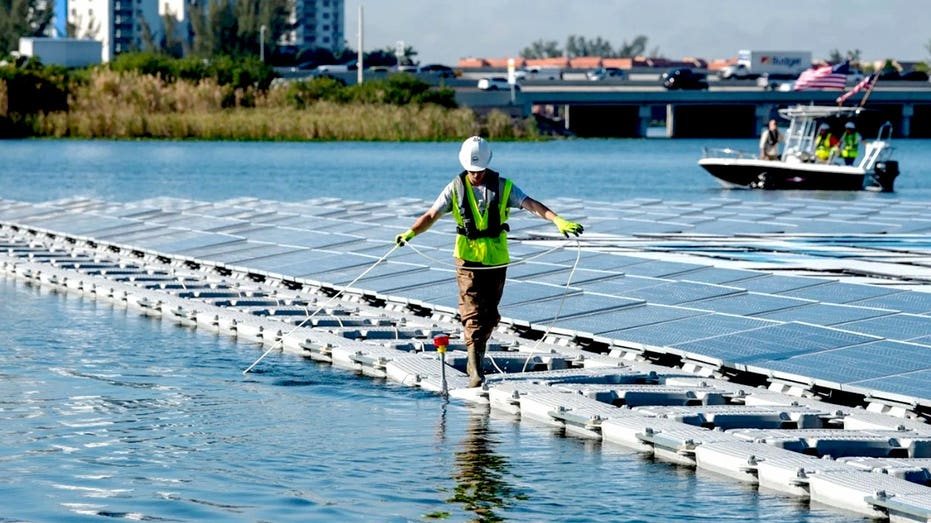
Lima, Ohio, has completed a 2-megawatt floating solar array on the Twin Lakes Reservoir, the city's primary drinking water source, in a project that officials project will save nearly $10 million in electricity costs over its lifetime. The system, celebrated on Aug. 12, places 3,120 solar panels across about 3.6 acres of water and feeds electricity directly to the nearby water treatment plant.
The project offers a potential model for cities seeking to expand renewable energy without sacrificing scarce land. A land-based system producing the same amount of electricity would reportedly require at least 10 acres, according to project developer D3Energy. By using the surface of an existing reservoir, Lima avoided competing with housing, businesses, agriculture, or other development for open space.
The water treatment plant next door processes about 14 million gallons of water each day and consumes more electricity than any other city facility, making it an obvious target for savings. Earlier city estimates put first-year savings at roughly $200,000. Actual lifetime savings will depend on future electricity prices and how the system performs over time.
Instead of mounting panels on racks planted in the ground, engineers placed them on floating platforms. Anchors and mooring lines keep the array in position, with a setup that connects to the banks and reservoir bottom and allows the array to move as water levels change. Lima uses Ciel & Terre's Hydrelio floating system, which the company says complies with the BS 6920:2000 standard for nonmetallic materials that come into contact with water intended for human consumption.
The project uses bifacial solar panels, which can capture light on both sides. Electricity travels from the array to eight inverters onshore before helping power the water treatment plant. The reservoir serves roughly 35,000 residents, a fact that made water safety a central consideration for the city.
Researchers have also studied whether floating solar can help reduce evaporation by shading portions of the water surface. But the National Renewable Energy Laboratory has noted that projects can affect water bodies differently depending on location, meaning a system that works well on one reservoir may require a different design elsewhere. Water depth, changing levels, recreational use, and existing dam operations can all affect whether a project makes sense.
The Lima project cost about $5.3 million. Federal support played a substantial role in making the numbers work: the city received a $2.4 million Department of Energy grant, and almost $900,000 in federal direct-pay tax credits helped offset roughly half of the project's cost. That context matters for other cities weighing similar investments, since construction costs, financing, expected electricity production, and available incentives can all change the calculation.
Lima began considering the project years before crews put panels on the water, and the City Council approved moving forward with the effort. The completed array now stands as one of the more visible examples of how floating solar could help municipalities lower energy bills while making use of space that is already occupied.
68