5 minNews
KFC’s 1991 Rebrand: Why Kentucky Fried Chicken Shortened Its Name and the Myths That Followed
Kentucky Fried Chicken officially changed its name to KFC in 1991, sparking persistent myths about trademark issues and mutant chicken rumors. The real reasons included a shift toward a healthier image and modern branding, as the chain sought to attract younger audiences and save space in advertising.
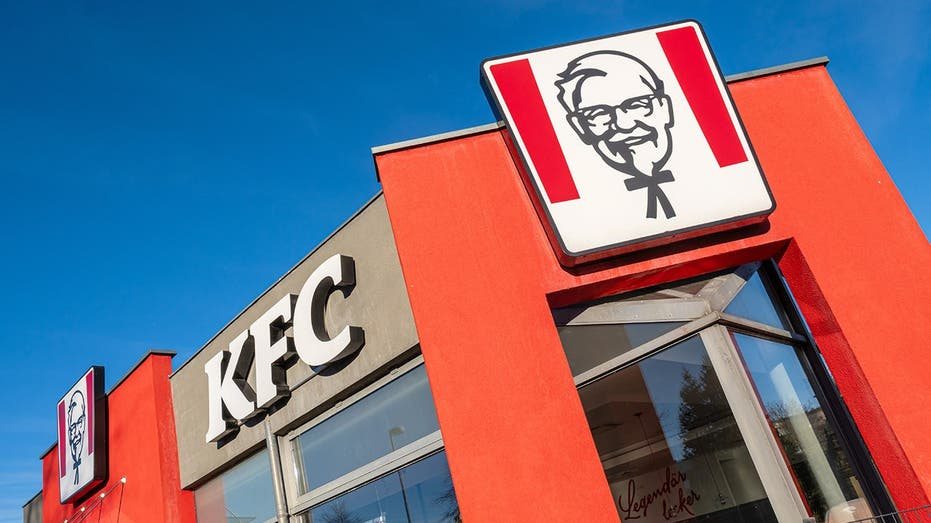
Kentucky Fried Chicken officially shortened its name to KFC in 1991, a decision that has since fueled a variety of persistent myths and urban legends. One common but false claim suggests that the Commonwealth of Kentucky trademarked the state's name, forcing the company to pay licensing fees. Another bizarre rumor alleged that KFC was breeding genetically modified chickens with extra legs, making it impossible to call the product «chicken» anymore. These myths have proven remarkably resilient, with some even leading to legal action in China, where courts found several companies liable for spreading false claims that damaged KFC’s reputation. In 2016, KFC China won a defamation lawsuit that resulted in three tech firms being fined for harming the brand, according to Reuters.
The actual reasons behind the rebranding were far more practical. At the time, Kentucky Fried Chicken was «struggling with declining earnings, higher prices and an evil word in its name — fried,» as reported by the Lexington Herald Leader. The chain was also facing changing consumer attitudes toward fried food and sought to modernize its image. Around the same period, KFC introduced skinless fried chicken, first called «Lite’n Crispy» and later sold as «Skinfree Crispy,» as part of a broader effort to appeal to health-conscious customers. Kyle T. Craig, then president of Kentucky Fried Chicken USA, explained in a 1991 interview with United Press International that «fried chicken on the bone is not growing as fast as the entire poultry segment.» He added, «We want to position KFC to a more contemporary image. Fried is not a contemporary image.»
The name change occurred during an era when many major companies were rethinking their branding and logos. Ken Albala, a professor of history at the University of the Pacific, told Fox News Digital that companies like Coca-Cola were increasingly marketing themselves under shorter names, such as «Coke.» Albala noted that «many companies were redesigning logos and having a deep think into how the character of the font face and the logo and the actual name of the company would attract younger audiences and be immediately recognizable, even to people who didn't know English.» He suggested that KFC was trying to save space in advertising and make a bigger impression on consumers. «‘Kentucky Fried Chicken’ takes up a whole lot of space on a sign and with a logo, and especially online,» Albala said. «If you see an ad, and you have to read through it, it takes you that millisecond longer than just lettering. KFC is trying to get people from off the highway and in a city among all sorts of other urban noise. And if you can recognize those letters, you've got a customer.»
The chain’s origins trace back to its founder, Harland Sanders, who opened a roadside service station in 1930 in Corbin, Kentucky, and began serving his southern-style chicken. The original establishment was called Sanders Court & Cafe, which began as a gas station along U.S. Route 25 in 1937 and later expanded to include a motel and café, according to the Sanders Cafe and Museum. The museum’s website describes the site as «the birthplace of Kentucky Fried Chicken.» While KFC’s official timeline does not extend beyond 1980, the company notes that Sanders’ legacy «lives on through his Original Recipe chicken, and the company logo adapts over the years, with the Colonel’s face remaining at the forefront of the design.»
Today, KFC is one of the world’s largest quick-service restaurant brands, with more than 30,000 restaurants in 150 countries, according to the company website. The chain is currently rolling out a brand overhaul that includes an expanded menu and redesigned restaurants. As part of this update, the iconic bucket will be «refreshed with new energy alongside a subtle evolution of the Colonel himself, ensuring the brand’s legacy remains front and center,» KFC said. Fox News Digital reached out to KFC for comment on the rebranding history and ongoing changes, but the company did not immediately respond. The enduring myths surrounding the name change, from trademark disputes to mutant chicken stories, continue to circulate online, but the reality is rooted in a straightforward business strategy: adapting to a changing market and consumer preferences.
77