4 minNews
Kennedy Center Board Votes to Close Main Building, Citing Safety and Financial Concerns
The Kennedy Center board voted to immediately close the performing arts venue's main building, citing safety and funding issues, hours after a federal judge blocked efforts to add President Trump's name to the building and plaza.
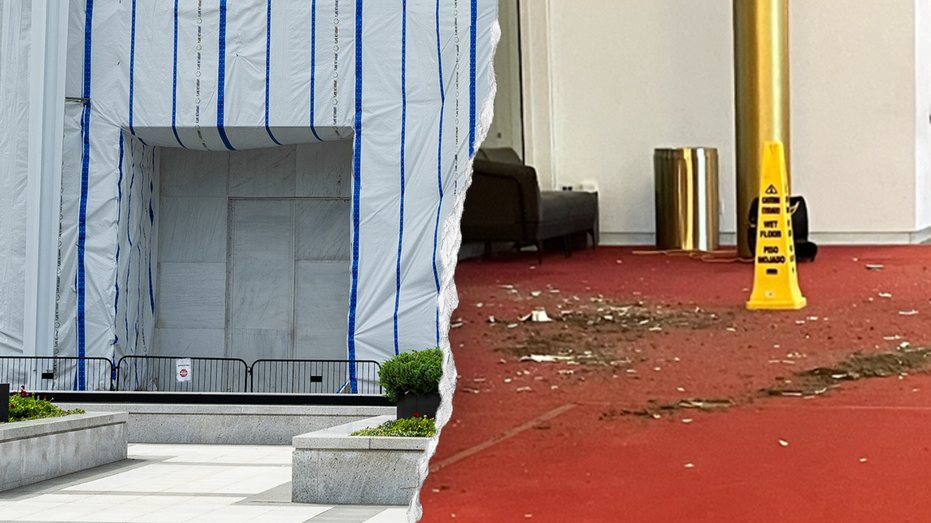
The board of the John F. Kennedy Center for the Performing Arts voted during a special meeting to immediately close the institution's main building in Washington, D.C., citing safety and funding concerns, according to people familiar with the decision.
The closure vote came just hours after a federal judge again blocked the Kennedy Center from adding President Donald Trump's name to the building and its plaza. Judge Christopher Cooper ruled that the Center cannot install the proposed Trump memorials without congressional approval, marking the second time the court has intervened in the naming dispute.
The board's decision to shut down the main building was driven by a combination of financial troubles and safety issues, according to multiple sources. It remains unclear how long the Kennedy Center will remain closed or whether the court ruling played a direct role in the board's decision to shutter the venue.
The Kennedy Center, one of the nation's most prominent cultural institutions, has been at the center of a political and legal battle over efforts by Trump's handpicked board to rename portions of the facility. The board had previously moved to name the grounds «President Donald J. Trump Plaza,» a proposal that Judge Cooper's ruling has now blocked for a second time.
The closure represents a significant escalation in the ongoing dispute over the future of the performing arts venue. The board's vote to close the main building comes as the institution faces mounting financial pressures and questions about its operational viability. A public statement from the board is expected, though no timeline has been provided.
The Kennedy Center has long served as a premier venue for theater, music, dance, and other performing arts in the nation's capital. Its main building houses multiple performance spaces, including the Concert Hall, Opera House, and Eisenhower Theater, which host hundreds of events annually. The immediate closure will affect scheduled performances and programming, though the board has not yet detailed how those events will be handled.
The legal fight over the naming proposal has been ongoing, with the court repeatedly stepping in to prevent the installation of Trump memorials without congressional approval. Judge Cooper's latest ruling reaffirmed that the Center cannot proceed with the proposed changes unilaterally. The board's decision to close the building adds a new layer of uncertainty to the institution's future.
It was not immediately clear what prompted the board to act on the same day as the court ruling, or whether the closure is intended to be temporary or permanent. Sources indicated that safety concerns and financial shortfalls were the primary factors behind the vote, but specific details about the nature of those concerns have not been disclosed.
The Kennedy Center board has been reshaped by Trump appointees in recent months, leading to a series of controversial decisions that have drawn scrutiny from lawmakers and arts advocates. The push to rename the facility after Trump has been particularly divisive, with critics arguing that such a change should require congressional approval given the Center's status as a national memorial to President Kennedy.
As the situation develops, the closure of the main building raises questions about the Center's ability to fulfill its mission and the impact on the broader arts community in Washington. The board is expected to release a public statement in the coming days, which may provide further clarity on the reasons for the closure and the path forward.