4 minNews
How Apps Turn Everyday Life Into Data and Reshape Human Decisions
A growing body of observation suggests that fitness trackers and productivity apps are changing how people understand themselves, turning lived experience into metrics that can override bodily signals and spontaneous choices.
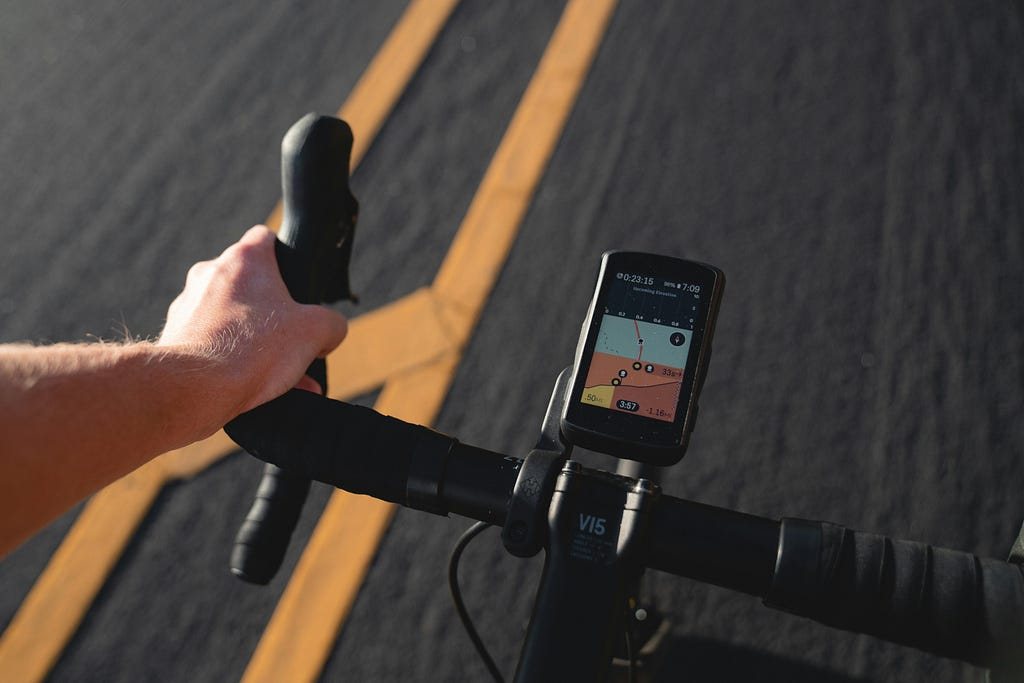
When a cyclist returns from a ride, the first question from family is often not about the scenery or the weather but about the distance covered. For a growing number of people, workouts, productivity, and even daily routines have been translated into numbers displayed on a screen. This shift has given rise to what one observer calls the «homo metricus» — a person who understands and governs themselves primarily through algorithmically defined metrics.
The transformation is visible across many domains. Sports activities are tracked by GPS computers, heart rate monitors, and power meters. Productivity is measured in task-management software. Language-learning streaks must be maintained at all costs. A daily goal of 10,000 steps drives people to exit the metro one station early just to accumulate a few more. The numbers are not merely recorded; they actively shape behavior in real time.
Consider the difference between two cyclists on the same route. One rides without a device, focusing on the body — legs, breathing, gradient, temperature, wind. That rider might slow down or push harder based on physical sensation alone, and may stop for coffee or take a detour to visit a friend without a second thought. The other cyclist operates with a handlebar screen showing cadence, power, and speed. When heart rate climbs too high, the computer instructs a slowdown. When power output falls below target, the screen turns red. The metric becomes an authority that competes with the body's own signals.
This is not simply a matter of better information. The data changes the experience itself. A rider may slow down before reaching a biological limit because the device warns of excessive intensity. A workout may feel difficult because a relative effort score says it was, even when the body suggests otherwise. Over time, the platform represents the body more than the body represents itself. The metric can become the primary lens through which an activity is understood.
The implications extend beyond athletics. The «homo metricus» inhabits a different environment from the offline individual, even when both are in the same place. A responsive system guides decisions and removes impulsive options. An app does not need to tell a user not to stop for coffee; it only needs to make stopping invisible to the workout structure. What was once a free ride becomes a training session — a set of measurable targets to be improved.
Some coaches recognize the risk. A cycling coach may prescribe workouts where the screen must be turned off, precisely because understanding the body is essential to performance. The tension between data-driven guidance and bodily awareness is not easily resolved. Metrics can offer insight and motivation, but they can also narrow the range of what feels possible or desirable.
The rise of the «homo metricus» reflects a broader cultural shift toward quantification. As more of daily life is captured by sensors and apps, the question of who — or what — holds authority over personal experience becomes increasingly urgent. The numbers are useful, but they are not neutral. They carry incentives, shape perceptions, and can quietly replace the messy, spontaneous, sensory reality of a ride through the mountains with a set of targets on a screen.
8