4 minNews
Gabby Petito's Mother Urges Public to Slow Down and Verify Missing-Person Flyers
Five years after Gabby Petito's remains were found in Wyoming, her mother Nichole Schmidt is asking social media users to stop and examine missing-person flyers before sharing them, saying a careful share can create a ripple effect that helps find someone.
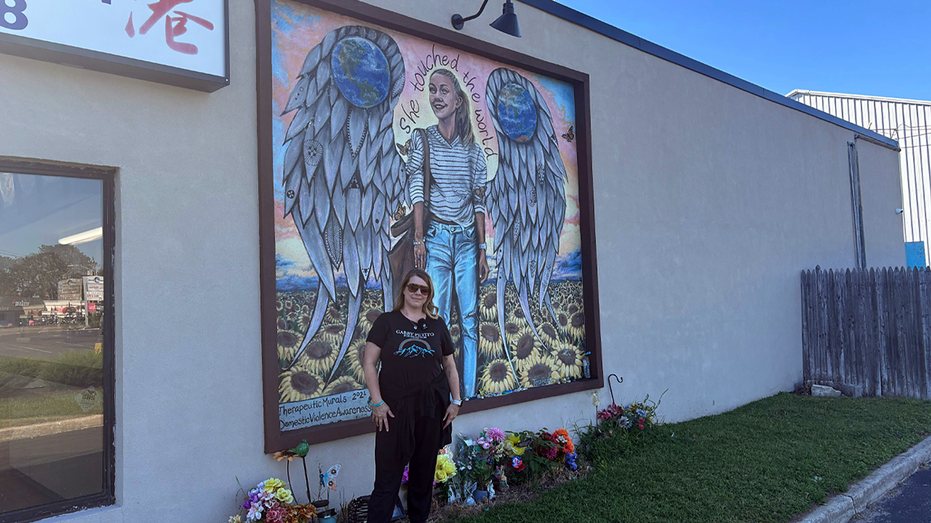
Five years after Gabby Petito's remains were discovered in a remote Wyoming campground, her mother is asking the public to treat missing-person flyers on social media with more care, arguing that a single thoughtful share can set off a chain of attention that ends with someone being found.
Nichole Schmidt, Petito's mother, said in an interview that people scrolling past missing-person posts should pause rather than forward them automatically. «What I would say with missing cases is, if you see missing flyers pass by your feed, stop and take a look,» Schmidt said. «Don't just share it quickly.»
Her advice is specific: read the flyer, check the comments for updates, and confirm the information comes from a legitimate source before passing it along. «If it seems legitimate, maybe give it a share,» she said. «Because you never know who might see that with your share, and it causes a ripple effect — and missing people have been found by regular people just sharing flyers.»
Petito's remains were found on Sept. 19, 2021, in a remote campground north of Jackson, Wyoming. Investigators believe she was killed three weeks earlier by Brian Laundrie, her former fiance. Laundrie drove back to his parents' home in Florida in Petito's Ford Transit van before taking his own life in the Myakkahatchee Creek Environmental Park. His remains were not located for a month, after a nationwide search that ended when floodwaters receded and his parents led detectives to one of his favorite clearings in the preserve.
The case drew intense national attention and turned Petito's name into a shorthand for the power and the limits of media coverage of missing persons. In the years since, Petito's parents and stepparents have built a foundation in her name that works to combat domestic violence and to raise awareness for other missing-person cases that have not received the same level of publicity.
They have also pushed for new laws in several states, including Florida, Utah and New York, as well as at the federal level. But Schmidt's message this week focused less on legislation than on the everyday behavior of ordinary social media users, who she said can act as a decentralized network for families who lack a national spotlight.
That gap in attention is a recurring theme for families of missing people, who often describe watching one case dominate headlines while their own relatives receive little coverage. Schmidt's suggestion — verify first, then share — is aimed at making that informal network more reliable, so that viral attention does not spread outdated or false information alongside genuine appeals.
She also pointed to the comments sections under missing-person posts as a place where new developments often surface, and where families sometimes post corrections or updates. Checking those threads before sharing, she said, can prevent well-meaning users from circulating a flyer that has already been resolved or superseded.
The foundation's work has kept Petito's case in public view while directing resources toward domestic violence prevention and toward families still searching. For Schmidt, the through line is simple: attention, when it is careful, can travel further than any single post.
Anyone experiencing domestic abuse can reach the National Domestic Violence Hotline at 800-799-7233.