4 minNews
Five major network outages in three days expose infrastructure strain
A string of outages that hit air travel, email and banking in just three business days has renewed questions about how network changes are managed, and an infrastructure engineer argues the cause is change itself rather than a conspiracy.
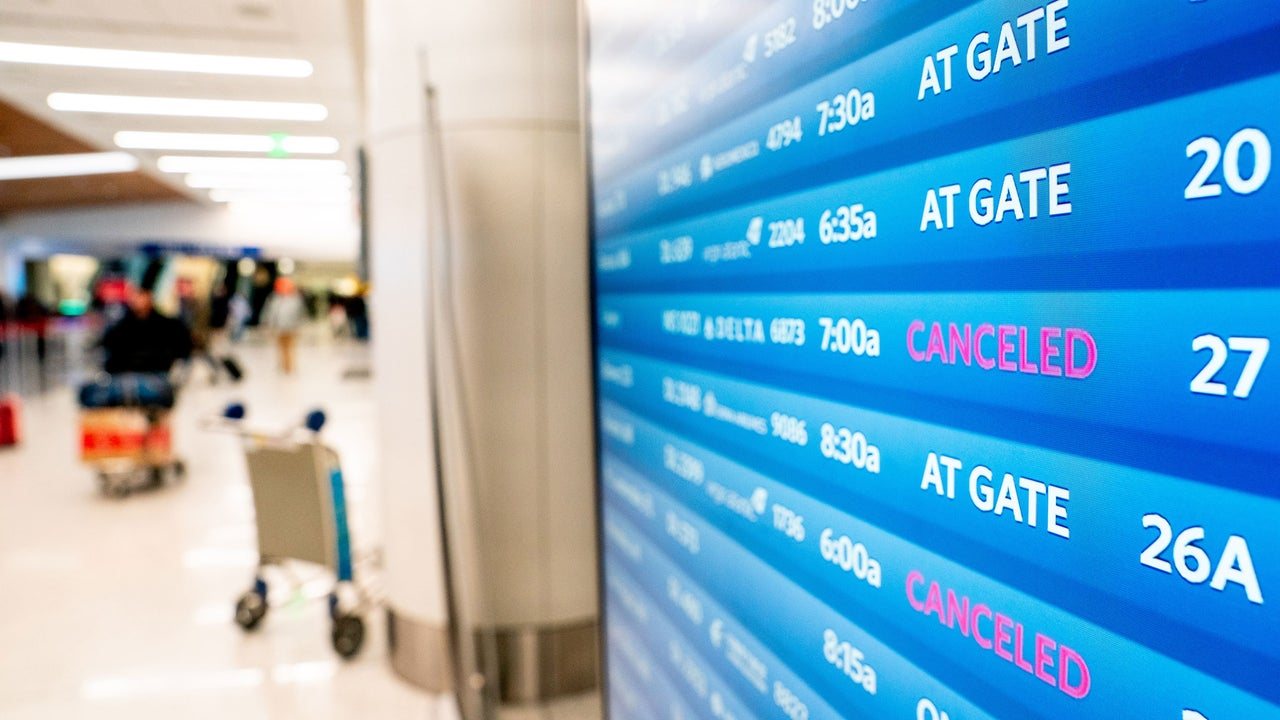
A series of major network outages hit the United States within three business days, disrupting air travel, corporate email and online banking. The failures, which included a nationwide air traffic control ground stop in November, have fueled online speculation about a hidden cause. One engineer who works close to critical networks says the explanation is far more mundane: the infrastructure that runs the country is changing faster than ever, and every change carries risk.
The disruptions began on a Friday the 13th in November, when air traffic in the United States came to a halt. Travelers were stranded at airports across the country, and crowds quickly overflowed at gates while hotel rooms in affected cities disappeared. One traveler stuck at Fort Lauderdale airport described the scene as chaos, with the last available hotel rooms in the city going within hours.
The ground stop was not an isolated event. Shortly before it, a Microsoft Outlook outage left businesses unable to send email, and some companies found contracts held up as a result. On Monday, November 16, customers of several major banks found they could not reach their accounts. Air travel, email and banking, three core parts of the economy and daily life, faltered within the span of three business days.
The engineer writing the account, who spends his working life near the networks behind such failures, says the air traffic control breakdown appears to have started with a change. The network that carries communications between major air traffic control centers is decades old and in the middle of a long modernization, moving from legacy protocols and transmission to modern fiber and new equipment. When new network devices were introduced at one stage of that transition, something went wrong. A misconfiguration or a misbehaving device sent traffic into the network that other devices could not handle. Those devices began to fail, and the failure cascaded.
The Outlook outage, by his account, had a similar origin in configuration changes and knock-on failures. Some of the triggering configurations were already months old and sat quietly until a condition in the network finally exposed them. Networks are designed to route around damage, but in practice a change can disturb an infrastructure in unpredictable ways. Because a network is a set of interacting systems, altering one element changes how its neighbors behave, and how their neighbors respond after that.
Recovery is slow for the same reason the failures spread. Undoing a change is not simple when the interconnections that caused the problem also make it hard to reverse. Engineers first have to diagnose the fault, which is often hard because effects cascade and it is not obvious which change produced which symptom. An accurate picture of what is connected to what, how each element should be configured and what is happening right now can be the difference between a fast fix and one that takes many times longer.
Even after a cause is found, teams must remediate and then rebuild. Elements of the network have to reconnect in a careful order so that the applications above them return cleanly. Microsoft reportedly spent days rebuilding its environment to avoid further knock-on effects. Teams must also regain confidence that the problem will not return, and the first fix does not always hold. The engineer compares this work to heart surgery on a global scale: teams get it right the vast majority of the time, but that success rarely draws notice, while an outage puts their delicate, high-stakes work in full public view.
Source: fastcompany.com
35