5 minNews
CBS News Chief Bari Weiss Faces Backlash Over Directive to Probe El-Sayed's Alleged Muslim Brotherhood Ties
CBS News editor-in-chief Bari Weiss is under fire from progressive critics after a report said she urged her journalists to investigate Democratic Michigan Senate candidate Abdul El-Sayed's alleged connections to the Muslim Brotherhood. The controversy has reignited a debate over newsroom bias and the boundaries of political scrutiny.
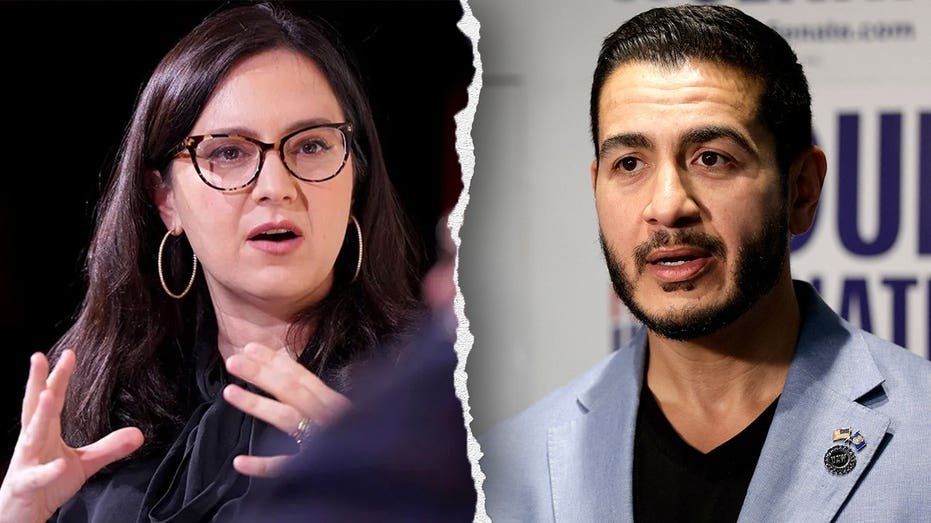
CBS News editor-in-chief Bari Weiss is facing a new wave of criticism from progressive commentators after a report said she personally encouraged the network's journalists to pursue stories about Democratic Michigan Senate candidate Abdul El-Sayed's alleged sympathy toward the Muslim Brotherhood. The report, published by Semafor on Sunday, cited two anonymous CBS News staffers who were unhappy with the directive. The episode has quickly become a flashpoint in an ongoing argument about editorial direction at the network and the way political candidates are covered.
According to the report, Weiss advocated for CBS News journalists to examine several story angles related to El-Sayed's supposed ties to the Islamist group. The anonymous staffers described themselves as aggrieved by the instruction. Such anonymous complaints from CBS News employees to liberal media outlets have become a familiar pattern in the industry, and defenders of Weiss argue that the latest leak reflects discomfort with rigorous reporting rather than any ethical lapse.
Media analyst Tim Graham, executive editor of NewsBusters, said the anonymous quotes are part of a broader effort to damage Weiss's reputation. «She's making them do difficult things,» Graham said. «Can we look into whether Abdul El-Sayed has ties to the Muslim Brotherhood, like his family says they do? How dare you. You're not supposed to do stories that might make Democrats look bad.» Graham added that staffers who resisted the El-Sayed assignment must find it «wildly offensive» to consider a conservative point of view, and that they object to the idea that they have to be «a little bit fair and balanced.»
The report drew sharp reactions from prominent progressive voices. Mehdi Hasan, founder of Zeteo and a former MSNBC host, called Weiss «a rightwing, pro-Israel, anti-Muslim troll» with «zero qualifications to be running national TV network» and accused her of trying to make the network behave accordingly. The Nation correspondent Jeet Heer wrote that «no self-respecting journalist should work for Bari Weiss,» while activist Shaun King said «nobody should respect or trust ANYTHING coming out of CBSNews at this point.»
The controversy over El-Sayed's family background intensified last week after unearthed social media posts from his half-sister, Eman Abdelhadi, claimed that their family, including their mother, had ties to the Muslim Brotherhood. El-Sayed had flatly denied any connection during an interview with NBC's Kristen Welker. In a 2012 post, Abdelhadi wrote about a conversation with her mother regarding «her activism in the Muslim Brotherhood during the early 70s while she was in college.» Their mother, Fatten Elkomy, attended Egypt's Alexandria University, which a Brookings Institution report described as having strong Muslim Brotherhood activity in the 1970s. In another 2012 post, Abdelhadi, a professor at the University of Chicago, wrote that her family «has long been MB» but had navigated the political sphere poorly. A 2013 post asked for prayers for family members supporting the group in Egypt.
El-Sayed has repeatedly rejected the allegations. During a contentious exchange with NBC's Tom Llamas, he said: «It's funny to me. I was born in 1984 down the street in Rochester Hills. I was raised here in Michigan, went to the University of Michigan, rebuilt the health department in this city, led the health department in this county — and you want to ask me about what's happening in Egypt in 1970? Are you serious?» When Llamas pressed him on whether he was being truthful, El-Sayed responded, «I have no ties, we have no ties,» and accused the anchor of relying on «hearsay evidence from a tweet.» He later likened the questions about his family's allegiances to those John F. Kennedy faced as a Catholic candidate for president in 1960.
CBS News has largely avoided covering the controversy in its own broadcasts, a decision that critics say underscores the tensions inside the newsroom. The network has not publicly commented on the Semafor report or on Weiss's alleged directive. The dispute comes as Weiss, a former New York Times opinion editor, continues to reshape CBS News's editorial priorities, and it is likely to keep attention focused on how the network balances political scrutiny with accusations of bias.
3