4 minNews
61-Year-Old Hiker Resets Dislocated Shoulder on Mount Washington and Keeps Climbing
Kurt Siuzdak, 61, of Connecticut, slipped on wet granite during a Mount Washington hike, dislocated his shoulder and injured his back, then popped the shoulder back into place and continued to the summit under his own power.
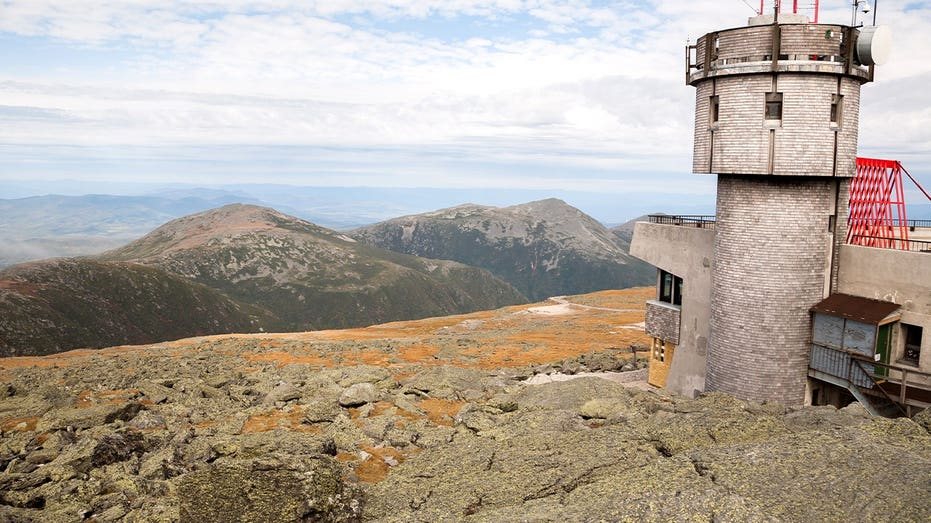
A 61-year-old Connecticut man dislocated his shoulder during a hike on New Hampshire's Mount Washington this week, reset the joint himself, and continued climbing to the summit, according to the New Hampshire Fish and Game Department.
Kurt Siuzdak began his ascent at about 4 a.m. Tuesday. Six hours later, near a section known as the Lakes of the Clouds, he slipped on a wet granite slab. The fall dislocated his shoulder and injured his back. He was roughly a mile and a half from the summit at the time.
Rather than turn around, Siuzdak decided to keep moving upward at a slow, deliberate pace. Another hiker found him about five hours after the fall. Siuzdak told rescuers he intended to press on and, in his words, figure out his options once he reached the top.
Two Fish and Game officers hiked down to meet him at around 5 p.m. They found him still making his way up the mountain. Flanked by the two officers, Siuzdak continued climbing and eventually reached the summit under his own power.
At some point during the ordeal, Siuzdak managed to reset the dislocated shoulder himself, officials said. After emergency personnel evaluated him at the summit, he asked to be taken to his car so he could drive himself to urgent care.
The Fish and Game Department praised Siuzdak's preparedness. The agency said he had followed its recommendations by packing extra gear, including warm clothing and a first aid kit. Officials noted those items proved essential after his accident and that Siuzdak was thankful he had heeded the advice.
Mount Washington, the highest peak in the northeastern United States, is known for sudden and severe weather changes. Hikers are routinely urged to carry extra layers, navigation tools, and emergency supplies even on short trips. The department has long stressed that preparation can mean the difference between a manageable setback and a life-threatening emergency.
The incident adds to a string of recent rescues and close calls in the White Mountains, where slippery granite, rapid temperature drops, and high winds frequently catch visitors off guard. Officials have repeatedly pointed to cases in which hikers who packed for the worst were able to self-rescue or assist others.
Siuzdak's decision to continue after a serious injury highlights a recurring tension on the mountain: the drive to finish a planned route versus the risk of worsening an injury far from help. In this case, the hiker's slow pace, the arrival of other hikers, and the eventual escort by two officers kept the situation from escalating.
Fish and Game officials did not say whether Siuzdak received further medical treatment beyond the urgent care visit he sought on his own. Attempts to reach Siuzdak and the department for additional comment were not immediately successful.
The agency's account, first reported Thursday, credits Siuzdak's extra clothing and first aid supplies with helping him manage the pain and exposure during the hours he spent on the trail. Officials used the episode to reiterate their standard message: carry more than you think you need, because conditions on Mount Washington can turn quickly.