5 minEconomy
White House Insiders Fear Trump Tariffs Will Harm GOP Ahead of Midterms
Internal White House sources express concern that President Donald Trump's renewed tariff push, including levies on Canadian goods and medications, could worsen economic anxiety among voters and hurt Republican prospects in the upcoming midterm elections.
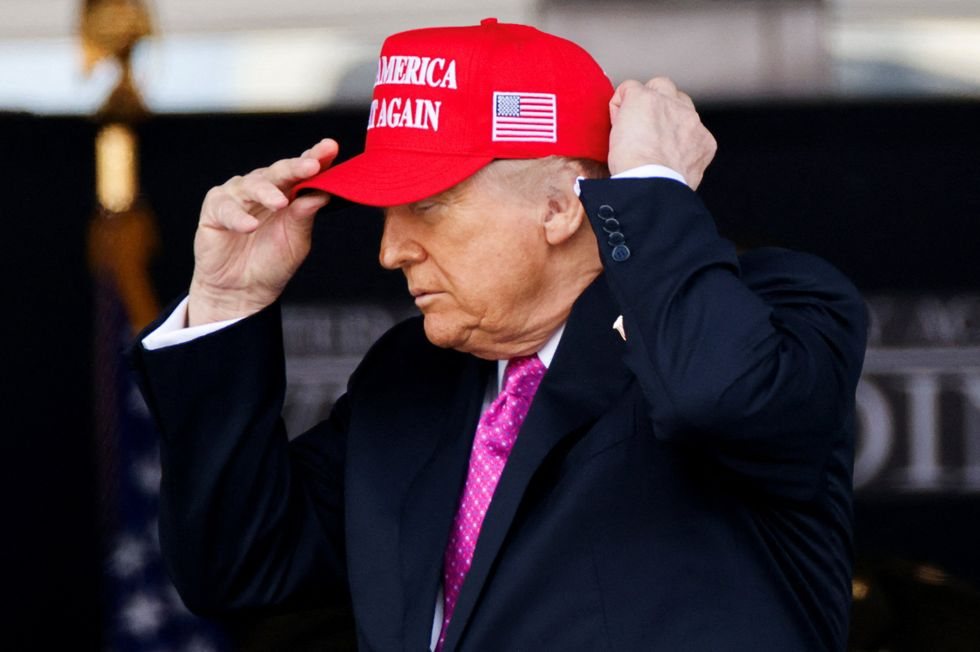
White House insiders are growing increasingly alarmed that President Donald Trump's renewed focus on tariffs will backfire on the Republican Party as the midterm elections approach, according to a report from Politico. The administration's decision to ramp up tariffs on Canadian goods and generic medications has sparked internal panic, with officials warning that the move could inflame voter frustration over persistent inflation and economic instability.
An administration official, speaking on condition of anonymity, told Politico that any policy not directly addressing affordability is a liability for the GOP. «Everything that you do that's not focused on affordability is not helpful,» the official said. «Anything that you're doing that is not on the plus side of the scale is a problem. When you announce new tariffs, it's not like, okay, well, let's see what they do. It's, 'Oh c---, those are the bad things.'»
The tariff threats are detonating within the White House, the report states, as Republicans worry that new levies on everyday items such as alcohol, bacon, and heart medications will drive up consumer prices at a time when economic anxiety dominates voter concerns. Republican strategists view tariffs as electoral poison unless they are being reduced, and the expansion of such measures sends the wrong message to exhausted voters, according to Politico.
A White House insider acknowledged comfort with the threat of tariffs but added a crucial caveat. «But actual revenue coming away from people's pocketbooks is not what Republicans are happy with,» the insider said. «Any conversation about tariffs, unless it's reducing them, is a bad conversation for Republicans.» The sentiment reflects a broader unease within the party as it struggles to offer voters a compelling economic message ahead of November.
White House officials are attempting damage control, arguing that the tariffs are «surgical and narrowly targeted,» with enough lead time before implementation to minimize consumer impact before voters head to the polls. They contend that real affordability concerns center on housing and fuel costs, not sporting goods and spirits. However, Canadian Senator Peter Boehm, chair of Parliament's Senate Committee on Foreign Affairs and International Trade, expressed skepticism that lower tariffs would reverse consumer behavior. «I think we're getting into an ugly phase, if there are concessions about getting U.S. alcohol back on the shelves,» Boehm told Politico. «There's no guarantee that the consumer is going to go out and buy them.»
Maine business leaders are also warning of broader consequences. Peter Woodcock, CEO of the Maine Chamber of Commerce, cautioned that tariffs on Canadian goods—including paper, wood products, and other essentials—would ripple through Maine's economy regardless of administration assurances. «We do not go unscathed from this,» Woodcock warned. «There are hundreds of Maine companies that will be reviewing this and assessing its own impact on them today. If this escalates and starts encompassing additional products that would be particularly concerning.»
The internal discord comes as Trump continues to push his trade agenda, which has been a hallmark of his presidency. Critics argue that the tariffs, while intended to protect American industries, ultimately hurt consumers and businesses that rely on imported goods. The midterm elections are expected to be a referendum on the administration's economic policies, and the tariff issue could prove decisive in swing districts where voters are already feeling the pinch of higher prices.
Republican strategists are urging the White House to pivot toward policies that directly address affordability, such as tax cuts or deregulation, rather than trade disputes that could escalate into a broader trade war. The Politico report underscores the growing tension within the party as it navigates an increasingly volatile economic landscape.
89