5 minEconomy
USDA Revises Beef Export Data Down by 90%, Raising Concerns Over Trade and Prices
The U.S. Department of Agriculture corrected a major error in beef export figures, slashing reported sales by 90% for a late June period. The revision highlights declining exports, record-high domestic beef prices, and tight cattle supplies, raising economic alarm bells.
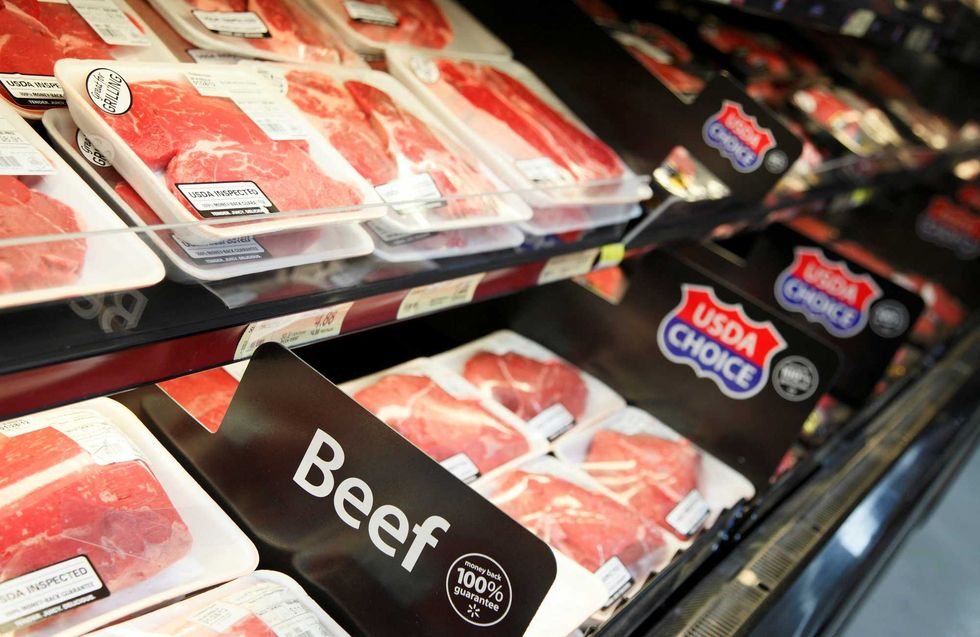
The U.S. Department of Agriculture has corrected a significant error in its beef export data, slashing reported sales by 90% for a period ending in late June, a move that has sparked concern among analysts and industry stakeholders. The USDA initially touted that exporters had sold more than 126,000 metric tons of U.S. beef to foreign buyers, but the revised figure stands at just over 12,000 metric tons, according to a Reuters report. The mistake comes as U.S. beef prices have reached record highs this year due to tight cattle supplies and strong domestic demand, while exports have been declining steadily since 2022.
The erroneous data also included inflated sales figures for specific countries. The USDA reported record sales of more than 38,000 metric tons of beef to Chile and more than 32,000 metric tons to Italy, neither of which is a major market for U.S. beef. The corrected figures revealed that the U.S. actually sold 367 tons to Chile and 350 tons to Italy, with sales revised downward for 14 other countries as well. The scale of the error has raised questions about data reporting processes at the agency, though the USDA has not publicly commented on the cause of the mistake.
Analysts say the underlying trend is clear: U.S. beef is becoming less competitive on the global market. “We’re priced out of the world market to a certain extent,” said Austin Schroeder, a commodity analyst at Brugler Marketing & Management. “It wouldn’t make a lot of sense for that big of an export number.” Domestic demand for hamburgers and steaks remains strong, but higher prices and reduced production are squeezing export volumes. The U.S. has also had to increase its imports of beef to meet domestic needs, further underscoring the supply crunch.
The beef industry has faced additional pressures this year, including an outbreak of screwworm that led to a state of disaster declaration in Texas. The parasitic infestation threatened cattle herds and added to the challenges of an already strained supply chain. Tight cattle supplies have been driven by years of drought in key grazing regions, which reduced herd sizes, as well as rising feed costs and labor shortages in processing plants. These factors have combined to push domestic beef prices to historic highs, making U.S. products less attractive to international buyers.
The export decline has broader economic implications. Beef is a staple of American agriculture, and the sector supports hundreds of thousands of jobs across ranching, processing, and distribution. A sustained drop in exports could hurt rural economies and widen the U.S. trade deficit in agricultural goods. The USDA’s data error, while embarrassing, has also drawn attention to the need for more rigorous verification of trade statistics, which policymakers and markets rely on for decision-making.
Industry groups have called for greater transparency and accuracy in USDA reporting. The National Cattlemen’s Beef Association has not issued a formal statement on the revision, but some members have expressed frustration that the inflated numbers could have misled producers and traders. Meanwhile, the U.S. continues to negotiate trade agreements aimed at opening new markets for beef, including in Southeast Asia and the Middle East, but high prices remain a barrier.
The corrected export figures come at a time when the Trump administration has been touting agricultural exports as a success story. The error undermines that narrative and highlights the challenges facing the sector. With cattle supplies expected to remain tight through at least 2026, analysts predict that U.S. beef exports will continue to struggle unless domestic prices moderate or global demand shifts. For now, the revised data serves as a sobering reminder of the gap between official claims and on-the-ground realities in the American heartland.
89