5 minEconomy
Seattle family sells home as inflation squeezes middle class, even tech workers feel the strain
A Seattle-area family is selling their home and downsizing as inflation and rising costs for groceries, gas, insurance, and housing push them into survival mode, highlighting broader economic pressures on the middle class, including tech workers.
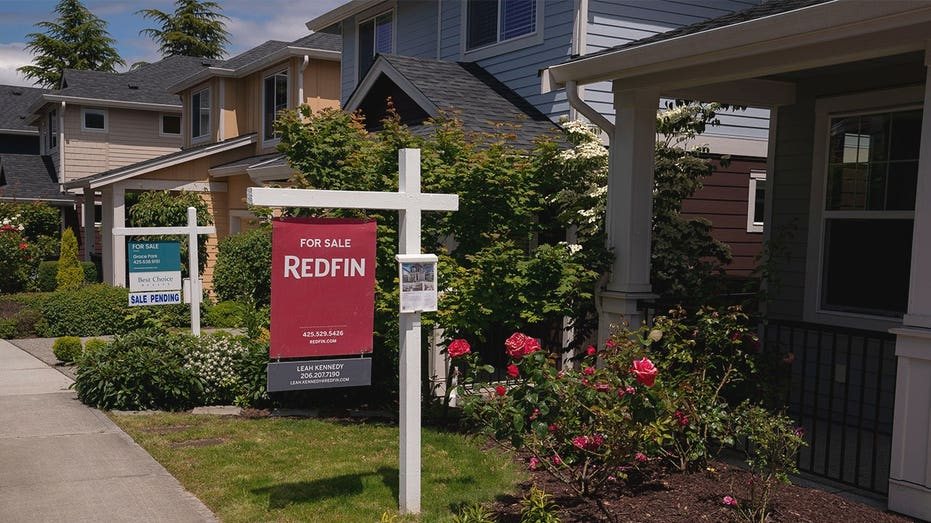
A Seattle-area family with ties to Microsoft is selling their home and downsizing as inflation continues to strain household budgets, with rising costs for groceries, gas, insurance, and housing pushing residents into what one described as «survival mode.» The story, reported by The Seattle Times, illustrates how even those connected to one of America’s biggest tech companies are feeling the pinch of persistent price increases.
Liesl Gatcheco, a self-employed esthetician, and her husband, who works at Microsoft, are selling their home in Seattle’s Crown Hill neighborhood. The couple, who have twins, also live with Gatcheco’s sister in the downstairs unit. «The last year has definitely been an absolute tightening up of what we’re spending on,» Gatcheco told The Seattle Times. «It’s very stressful. I feel like I’ve been living emotionally in survival mode.»
Inflation in the Seattle area remained high in June, outpacing the rest of the country. Consumer prices in the Seattle-Tacoma-Bellevue region rose 4.5% over the past year, down from 4.9% in April but still higher than the national inflation rate of 3.5%. The cost of food at restaurants has risen 6.2% over the year ending in June, making takeout and dining out feel like indulgences for many.
Gatcheco’s income has declined as fewer clients book appointments, and her husband’s job at Microsoft, once seen as a symbol of stability and upward mobility, now carries constant layoff worries. Microsoft cut 4,800 workers in its Xbox division and sales teams last week, and in 2025, it laid off 15,000 employees. This year, the tech giant also offered voluntary buyouts to 7% of its U.S.-based employees. «Working in tech used to be a sure thing, and it’s absolutely not anymore,» Gatcheco said.
Dusty Wilson, a math teacher at Highline College in Des Moines, about 20 minutes from Seattle, said he and his wife, Charlene, have changed their habits to cope with high gas prices. «We were always just drivers, and then gas hit $6 a gallon,» Wilson said. The couple now drives less and uses light rail to save money.
Veronica Brown, 36, who works in tech, told The Seattle Times that while she is not hurting for money, she no longer orders takeout after the total cost of her usual pad thai exceeded $40 once taxes, fees, and a tip were added. She previously ordered delivery once or twice a month. «Our money doesn’t go as far,» Brown said, adding that she is concerned about being able to make bigger purchases, like buying a house.
The economic pressures are not limited to Seattle. Across the U.S., inflation has eroded purchasing power for many households, particularly in high-cost urban areas. The Federal Reserve has raised interest rates to combat inflation, but the effects have been uneven, with housing and food costs remaining stubbornly high. In Seattle, the median home price has surged, making homeownership increasingly out of reach for middle-class families.
A spokesperson for Seattle Mayor Katie Wilson told Fox News Digital that the story illustrates why affordability and inequality remain urgent challenges. The mayor’s office has taken steps to address these issues, including transmitting legislation to ban certain «junk fees» charged by landlords, accelerating construction of new shelters, and releasing the Seattle Transit Measure Proposal to improve public transit. The office also proposed strengthening access to public libraries and supported expanding eligibility for the city’s utility discount program to help low-income residents and seniors.
«We look forward to the next six months and pulling together with our neighbors, families, immigrants, and workers to tackle challenges and keep Seattle a place everyone can call home,» the spokesperson said.
For families like the Gatchecos, the decision to sell their home is a pragmatic response to financial strain. «We want to take control,» Gatcheco said, emphasizing that downsizing is a way to reduce expenses and regain some stability. The family’s experience reflects a broader trend of middle-class households in expensive cities rethinking their lifestyles and financial priorities as the cost of living continues to climb.
89