4 minEconomy
Oil Prices Slip as Traders Weigh Iran Truce Prospects
Crude markets fell on expectations that a ceasefire with Iran could ease Middle East tensions, though traders remain cautious about the risk of attacks on oil facilities.
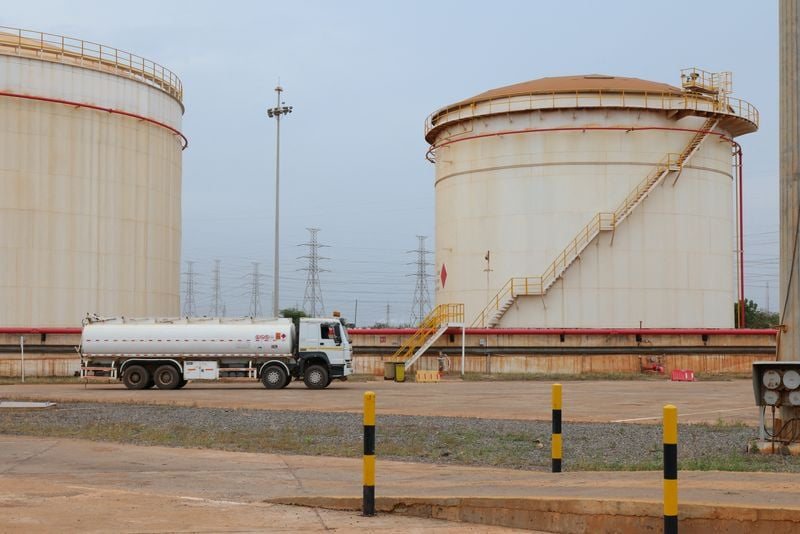
Oil prices moved lower as investors reacted to signs that a truce involving Iran could reduce the risk of a wider conflict in the Middle East, a shift that would ease pressure on global crude supplies. The decline reflects a market that had priced in a geopolitical premium over recent weeks and is now beginning to unwind some of that fear.
Even with the pullback, traders are not treating the situation as resolved. The possibility of attacks on oil facilities remains a live concern, and that threat is keeping a floor under prices. Any strike on production or export infrastructure could quickly reverse the downward move and send crude sharply higher again.
The tug-of-war between easing diplomatic signals and persistent security risks has left the market in a cautious mood. Prices are falling, but the decline is measured rather than decisive, suggesting that participants are waiting for clearer evidence that the truce will hold and that energy infrastructure will remain safe.
Iran sits at the center of the calculus because of its role as a major oil producer and its position in a region that handles a large share of the world’s crude exports. When tensions involving Tehran rise, markets typically add a risk premium to prices on the assumption that supply could be disrupted. When those tensions appear to ease, that premium tends to come out of the price.
That is the dynamic currently playing out. The prospect of a truce has given traders enough confidence to sell, but not enough to abandon the market’s long-standing sensitivity to headlines from the region. The result is a market that is lower on the day but still watchful.
For consumers and businesses, the direction of oil prices matters well beyond the trading floor. Crude is a key input for gasoline, diesel, jet fuel, and a wide range of industrial and agricultural costs. A sustained decline would offer some relief on transportation and energy bills, while a renewed spike would feed through to inflation pressures that central banks are already monitoring closely.
The broader economic backdrop adds to the stakes. Oil-importing nations have been navigating a period of uneven growth and lingering price pressures, and energy costs are one of the most visible channels through which geopolitical events reach household budgets. A calmer Middle East would remove one source of upward pressure on prices.
At the same time, the market’s wariness about attacks on oil facilities reflects a hard-learned lesson. Even a single strike on a refinery, pipeline, or export terminal can have an outsized effect on prices because the global supply chain has little spare capacity to absorb sudden losses. Traders know that the gap between calm and crisis can close in hours.
That is why the current decline has not turned into a rout. Selling has been tempered by the recognition that the situation on the ground can change quickly, and that diplomatic progress is not the same as a durable settlement. Until there is more clarity, the risk premium is likely to shrink rather than disappear.
For now, the market is doing what markets do when a threat appears to recede: it is repricing. But it is doing so with one eye on the next headline, because in the oil business, geography and geology both matter, and the Middle East remains the place where the two most often collide.
8