3 minEconomy
Oil Prices Fall After Trump Waives Russia Sanctions
Crude prices slid after President Trump moved to ease sanctions on Russia, saying he does not want to jeopardize peace negotiations over the war in Ukraine.
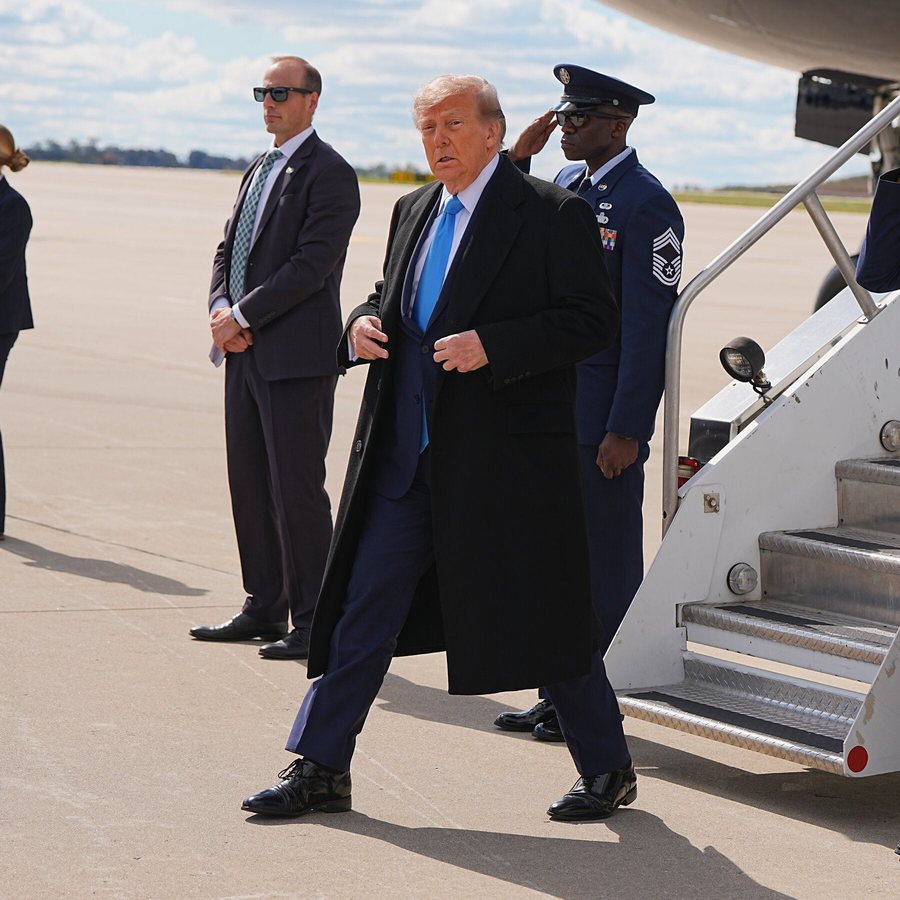
Oil prices fell after President Trump moved to waive sanctions on Russia, a decision he linked directly to his effort to broker an end to the war in Ukraine. The easing of restrictions removes a source of supply uncertainty that had helped support crude benchmarks, and traders responded by pushing prices lower.
Trump defended the move in a social media post, writing that he is «in the process of negotiating Peace in the war between Russia and Ukraine, and don’t want to do anything that will drive, foolishly, Russia away from the bargaining table.» The statement frames the sanctions relief as a diplomatic tool rather than an economic concession, casting the decision as part of a broader effort to keep Moscow engaged in talks.
The market reaction reflects how closely oil prices have tracked the sanctions regime imposed after Russia’s invasion of Ukraine. Restrictions on Russian crude exports, shipping and financing had tightened global supply and kept a risk premium embedded in prices. Any signal that those constraints could loosen tends to weigh on benchmarks, because additional Russian barrels would add to available supply.
For consumers and businesses, the decline offers modest relief at a time when energy costs remain a sensitive political issue. Lower crude prices can feed through to gasoline and diesel over time, though the pass-through depends on refining margins, inventories and local market conditions. For oil producers, the slide compresses revenue and complicates investment planning.
The decision also carries diplomatic weight. Sanctions have been one of the West’s principal levers in response to the war, and easing them without a settled agreement risks drawing criticism from allies who have argued that pressure on Moscow should be maintained until concrete concessions are made. Trump’s comments suggest he views the sanctions as leverage to be deployed selectively rather than as a fixed policy.
It remains unclear how far the waiver extends or whether it will be temporary. Markets will be watching for details on which restrictions have been lifted, how long the relief lasts and whether other governments follow suit. Those specifics will determine whether the price move proves durable or reverses once the initial reaction fades.
Oil prices are also shaped by factors beyond sanctions, including production decisions by major exporters, global demand trends and inventory data. The sanctions waiver adds a new variable to an already uncertain outlook, and traders are likely to reassess positions as the diplomatic picture develops.
For now, the immediate effect is a softer market. The question is whether easing pressure on Russia translates into progress at the negotiating table, or whether it simply lowers the cost of crude while the war continues.
7