4 minEconomy
Iran’s Strait of Hormuz toll plan threatens Oman’s economic progress
Oman’s recent economic reforms have boosted GDP per capita and reduced debt, but its openness to Iran’s scheme to impose tolls on Strait of Hormuz shipping risks derailing that progress and isolating it from regional partners.
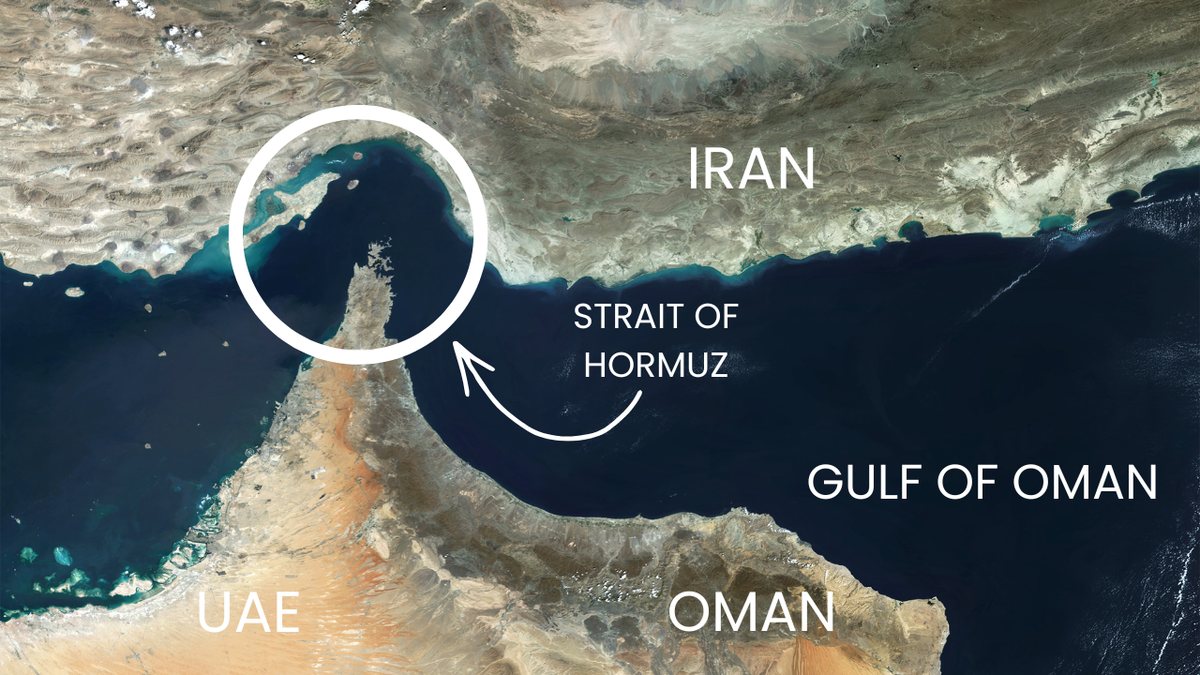
Oman has achieved remarkable economic progress in recent years, but its willingness to entertain Iran’s plan to impose tolls on shipping through the Strait of Hormuz threatens to undermine that hard-won gains and isolate the sultanate from its more prosperous Gulf neighbors, according to a new analysis.
The Heritage Foundation’s 2026 Index of Economic Freedom ranked Oman as having the second-best score improvement globally, behind only Argentina under President Javier Milei. Oman moved up 19 places to rank 39th worldwide, reflecting the success of its Oman Vision 2040 framework, which has focused on fiscal consolidation, debt reduction, legal reforms to combat corruption, and opening the economy to foreign investment.
As a result, the International Monetary Fund estimates Oman’s GDP per capita at $21,645 — a 19% increase over 2025. Public debt has fallen to less than 40% of GDP, and the country has made strides in transparency and accountability. This stands in stark contrast to Iran, where economic dysfunction has deepened despite the country holding the world’s second-largest proven oil reserves.
Iran’s economy has been in a compounding free fall, with inflation now around 50% — up from about 7% a decade ago after the JCPOA gave Tehran an economic lifeline. Food prices have risen close to 100%, poverty levels have surged, and millions more are projected to fall into poverty in coming months. Official unemployment estimates hover around 10%, but independent assessments put the figure above 25%, with young people bearing the brunt of job losses. Iran’s GDP per capita stands at a dismal $3,415 — less than half of Oman’s and a 6% decline from 2025.
Given this divergence, analysts question why Oman has shown openness to Tehran’s scheme to assert joint sovereignty over the Strait of Hormuz and demand payment for ships passing through. The two countries recently held high-level discussions in Muscat to coordinate on the issue, with official statements framing the proposed fees as security and environmental charges. Critics describe the plan as state-sponsored blackmail imposed on vital energy flows from the Gulf.
“Such money-grubbing schemes, while understandable for an increasingly impoverished and desperate Iran, are beneath the aspirations of Oman,” the analysis states. It warns that teaming up with a global pariah risks U.S. economic sanctions or even military action, and could derail the country’s transformative economic trajectory.
Instead, the analysis urges Oman to build on its reforms by offering passage through its side of the Strait independent of Iranian threats. This would increase the attractiveness of Omani ports as hubs for international tankers and U.S. Navy vessels. Oman could also become an integral part of regional efforts to establish alternative infrastructure around the Strait, eventually leaving Iran isolated.
The recent show of unity in the Gulf Cooperation Council (GCC) in Bahrain, with Secretary of State Marco Rubio, offers a better alternative for Oman. Rather than becoming a junior partner to Tehran, Muscat has a unique geoeconomic opportunity to coordinate with more productive and prosperous regional partners in conjunction with the United States.
“Now is the time for Oman to seize that moment to ensure its transformative trajectory,” the analysis concludes. The choice facing Oman is clear: continue down the path of economic freedom and regional integration, or risk being dragged down by association with a struggling and increasingly isolated Iran.
89