5 minEconomy
Gas prices hit $4 again after oil soars more than 15% in a week
Gasoline prices in the US have climbed back to $4 per gallon as crude oil prices surged over 15% in a week, driven by renewed tensions between Iran and Russia and supply concerns.
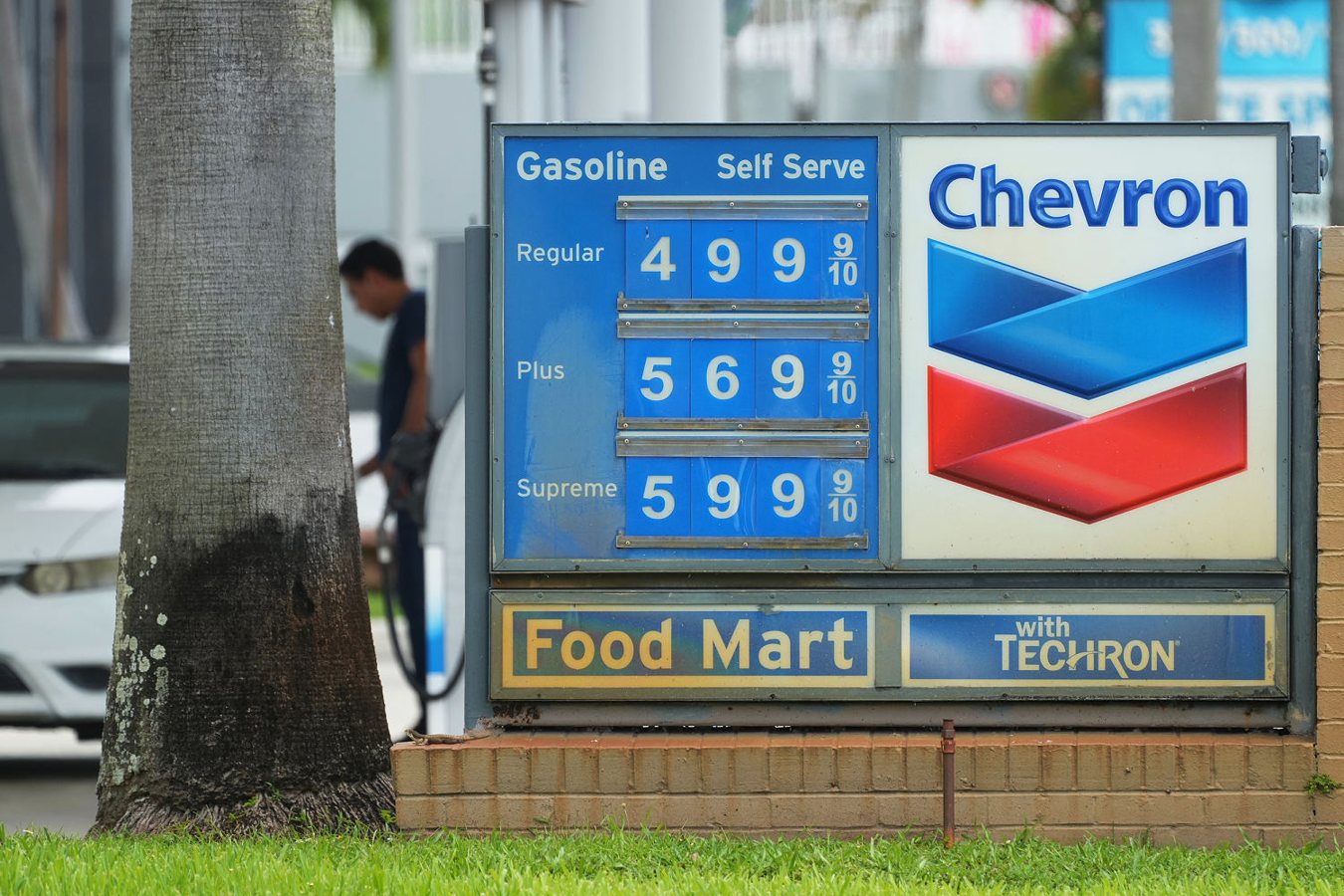
Gasoline prices in the United States have climbed back to the $4 per gallon mark, driven by a sharp surge in crude oil prices that have risen more than 15 percent over the past week. The increase, which marks a return to a psychologically significant threshold for American drivers, comes amid renewed geopolitical tensions involving major oil-producing nations.
The price jump follows a rally in global oil markets triggered by escalating friction between Iran and Russia, two of the world's largest energy exporters. Concerns over potential supply disruptions have pushed benchmark crude prices higher, with West Texas Intermediate and Brent crude both posting substantial gains. Analysts note that the rapid ascent in oil costs has been the primary factor behind the rise at the pump, as gasoline prices closely track crude oil movements.
According to data from the American Automobile Association, the national average for a gallon of regular gasoline reached $4.00 on Thursday, the first time it has hit that level in several months. The increase represents a significant reversal from earlier this year, when prices had moderated following a period of relative stability in global energy markets. The latest data shows that prices have risen by approximately 15 cents in the past week alone, with some regions experiencing even steeper increases.
The renewed upward pressure on gasoline prices is being felt across the country, with drivers in states such as California, Hawaii, and Washington already paying well above the national average. In California, the average price per gallon has exceeded $5.50, while drivers in the Midwest and Northeast have also seen notable increases. The trend has raised concerns about the broader economic impact, particularly as consumers head into the summer driving season, traditionally a period of higher demand for fuel.
Energy market experts attribute the recent oil price surge to a combination of factors, including heightened geopolitical risks and supply constraints. Tensions between Iran and Russia have escalated in recent weeks, with both nations involved in regional conflicts that threaten to disrupt oil shipments. Additionally, production cuts announced by the Organization of the Petroleum Exporting Countries and its allies, including Russia, have tightened global supply, further supporting higher prices.
The return of $4 gasoline has reignited debates about energy policy and the vulnerability of the U.S. economy to global oil price shocks. While domestic oil production has increased in recent years, the United States remains a significant importer of crude, leaving it exposed to international market dynamics. The Biden administration has faced pressure to take steps to mitigate the impact on consumers, including potential releases from the Strategic Petroleum Reserve or diplomatic efforts to calm tensions in oil-producing regions.
For American households, the rise in gasoline prices represents a direct hit to disposable income, as fuel costs are a major component of transportation expenses. The increase comes at a time when inflation has already been weighing on consumer budgets, with prices for food, housing, and other essentials remaining elevated. Economists warn that sustained high gasoline prices could slow economic growth by reducing consumer spending in other areas.
The oil market rally has also had ripple effects on other sectors, including transportation and logistics, where fuel costs are a significant input. Trucking companies, airlines, and shipping firms are all facing higher operating expenses, which could eventually be passed on to consumers in the form of higher prices for goods and services. The broader implications for the U.S. economy will depend on how long the current price surge persists and whether geopolitical tensions ease in the coming weeks.
Looking ahead, analysts are closely watching developments in the Middle East and Eastern Europe for signs of further escalation or de-escalation. Any resolution of the tensions between Iran and Russia could lead to a pullback in oil prices, providing relief at the pump. However, if the situation deteriorates further, prices could continue to climb, potentially pushing gasoline above the $4 mark for an extended period. The situation remains fluid, with energy markets reacting to each new development in real time.