4 minEconomy
Federal Debt Approaches $40 Trillion as Interest Costs Rise
The latest congressional daily figure is $39.588 trillion, not yet an official $40 trillion reading. CBO and GAO show why persistent deficits and interest expense are the central fiscal concern.
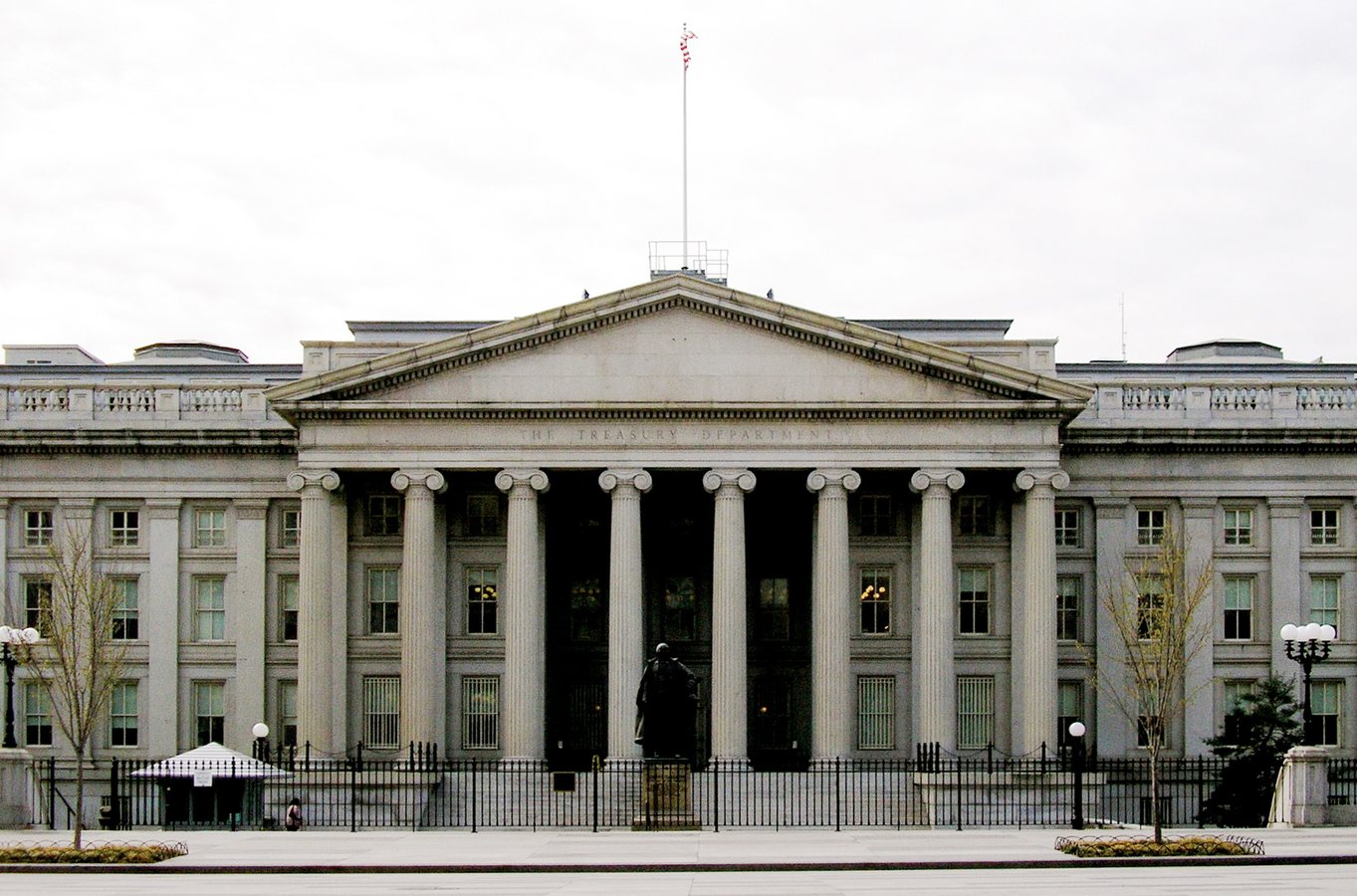
Federal debt is approaching $40 trillion, but the latest available daily reading from Congress remains below that threshold. The Joint Economic Committee’s debt monitor reports total gross national debt of $39.588 trillion as of July 20, 2026.
A July committee update estimated that the total could reach $40 trillion around October 8 or 9 if debt continued to grow at the average daily rate of the previous three years. That estimate was not a Treasury certification of a future date, and day-to-day debt levels do not rise in a straight line.
The July 20 figure consisted of roughly $31.818 trillion in debt held by the public and $7.771 trillion in intragovernmental holdings. Treasury’s Debt to the Penny methodology defines publicly held debt as federal securities held outside most federal government accounts, including holdings by individuals, corporations, Federal Reserve Banks, foreign governments and other entities.
Treasury manages those obligations through a continuous issuance process. It auctions bills, notes and bonds and conducts quarterly refunding planning. Securities mature at different times, and refinancing allows the government to replace funding while meeting existing obligations and financing budget deficits. The federal debt therefore does not operate like a single loan that must be paid in full on one date.
The longer-term fiscal concern is the relationship between deficits, economic growth and interest expense. CBO’s February outlook projects a $1.9 trillion deficit in fiscal year 2026 and a $3.1 trillion deficit in 2036. Debt held by the public rises from 101% of GDP in 2026 to 120% in 2036 under current law, and CBO’s long-term projection reaches 175% by 2056.
GAO’s June fiscal-health report called the federal fiscal path unsustainable. It said publicly held debt stood at $31.3 trillion in April 2026, roughly equal to the size of the economy, and projected it to grow faster than the economy during the next decade. GAO also reported that net interest spending in fiscal 2025 exceeded federal spending on national defense.
The cost of carrying the debt is affected by interest rates as securities are refinanced. The Joint Economic Committee reported an average rate of 3.411% on total marketable national debt in June 2026. Even without a sudden funding crisis, a higher average interest cost can gradually push a larger share of federal spending toward debt service.
The historical claim involving President Andrew Jackson is supported by Treasury records. Jackson entered office in 1829 with national debt of just over $58 million and made elimination of the debt a priority. In 1835, the debt was extinguished. Treasury describes that event as the first and only time in U.S. history that the national debt was eliminated.
That does not establish a rule that modern federal debt must return to zero, nor does current evidence justify saying economists know it never can. CBO stresses that its projections are conditional and uncertain. Changes in tax law, spending, economic growth or other policy decisions could materially alter the path.
The $40 trillion threshold will be politically powerful when it arrives. For the federal budget, however, the more consequential measures are whether annual deficits persist, whether debt continues to rise relative to GDP and how rapidly interest costs absorb resources that could otherwise be used elsewhere.
71