5 minEconomy
Fed Chair Warsh signals inflation fight is far from over at Jackson Hole
Federal Reserve Chairman Kevin Warsh used his first Jackson Hole speech to stress that curbing inflation remains the central bank's top priority, warning that policymakers must be confident price growth is slowing before easing policy. His remarks lifted expectations for a near-term rate increase ahead of the Fed's September meeting.
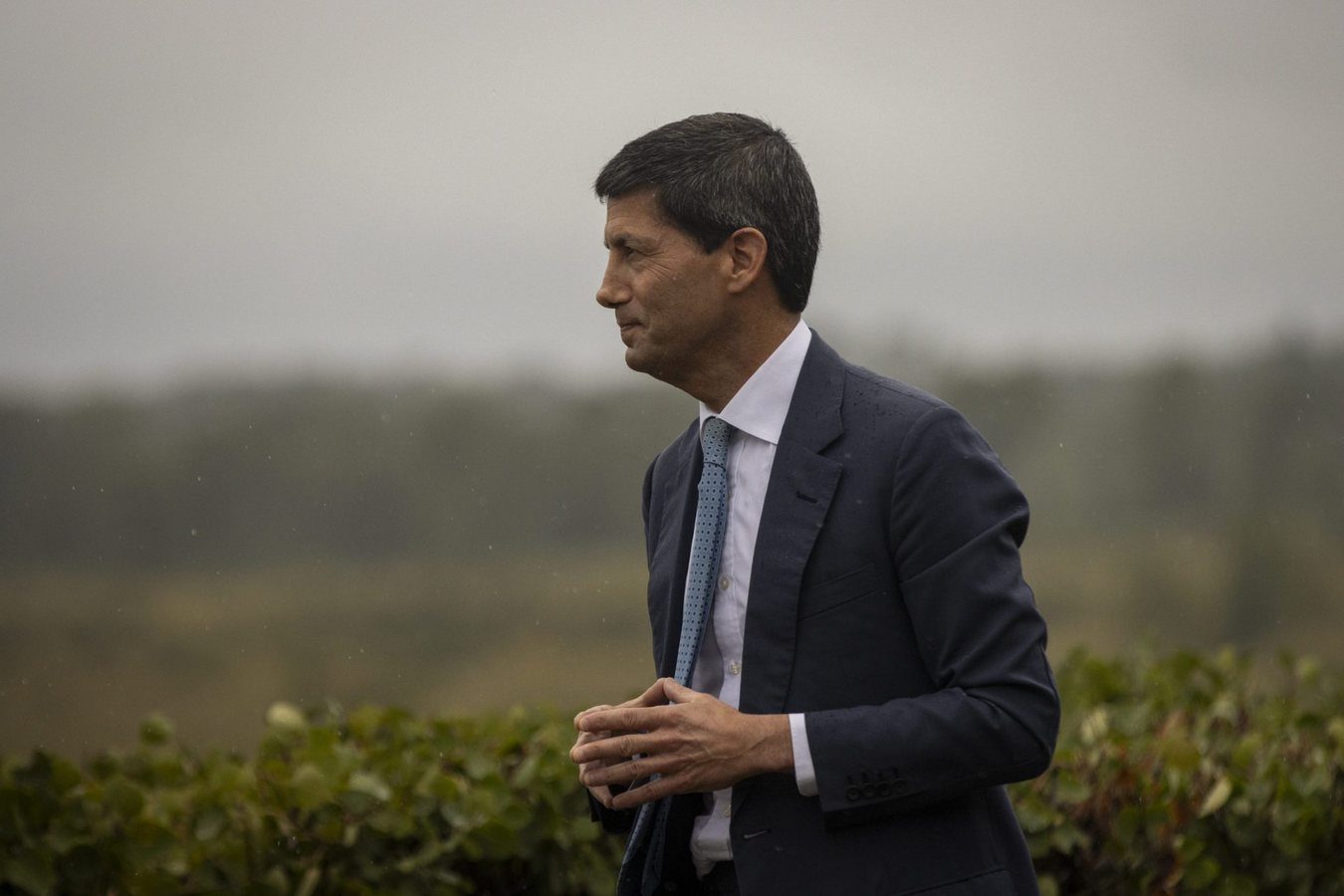
Federal Reserve Chairman Kevin Warsh used his first keynote speech at the Kansas City Fed's annual Jackson Hole symposium to deliver a clear message: bringing inflation down remains the central bank's top priority, and policymakers are not yet convinced the job is done. Speaking in Wyoming on Saturday, Warsh warned that inflation is not meaningfully slowing and that the Fed must be confident underlying price pressures are moving toward its 2 percent target before it can consider easing policy.
«Here is my standard: We must be confident that underlying inflation is moving to our objective, clearly and at sufficient speed. Otherwise, we have work to do. That's our job,» Warsh said. He described interest rates as the Fed's «predominant tool» for achieving its mandate and said financial conditions were not restraining the economy, a remark that investors read as a signal that borrowing costs may need to rise further.
The speech was Warsh's first public appearance as chairman and was closely watched for any hint about the direction of rates. While he stopped short of explicitly endorsing a hike, his comments immediately triggered a jump in market expectations for a near-term increase. Attention now turns to the next consumer inflation report, due Sept. 11, just days before policymakers gather in Washington on Sept. 15-16 for their regular meeting.
Warsh also moved to dispel speculation that he intended to change the Fed's inflation target. He said 2 percent, as measured by the personal consumption expenditures price index, or PCE, is a «firm, fixed target.» The clarification helped relieve some frustration among investors who had been seeking more clarity on how the new chairman views the economy.
European policymakers attending the conference echoed Warsh's concerns about inflation. European Central Bank Governing Council member Primoz Dolenc told Bloomberg that resilience in the euro-area economy and the persistent conflict in the Middle East suggest the need to raise rates in September, a move widely expected by investors. «With the new data coming in, we see that the inflation situation doesn't resolve itself,» said Dolenc, who also heads the Slovenian central bank. Austrian central bank governor Martin Kocher, another ECB rate-setter, highlighted that there is «more momentum» in the economy and said on inflation, which analysts estimate reached 3.3 percent in August, there is «alertness, there is no complacency.»
Bank of England Governor Andrew Bailey struck a slightly different tone, suggesting no urgency to increase rates. «We're seeing quite subdued second-round effects. I think we've seen a softening labor market for some time now,» Bailey told Bloomberg TV. «I've taken the view that I think we can watch this situation for the moment.» Those were Bailey's first public remarks on monetary policy since July 30, when he voted with the majority in a 6-3 decision to keep rates on hold.
A few prominent figures were absent from this year's gathering. ECB President Christine Lagarde and Bank of Japan Governor Kazuo Ueda skipped Jackson Hole to attend a meeting of G-20 finance ministers and central bank governors in Asheville, North Carolina. Former Fed Chair Jerome Powell also did not attend, bucking tradition to remain out of the spotlight after his term as chair expired in May.
Beyond the policy chatter, the symposium served as a forum for debate on financial innovation and its implications for payments and monetary policy. Papers presented this year focused on how tokenization is revolutionizing the way financial assets are held and transferred, underscoring the regulatory challenges central banks face in keeping up with technology.
The conference also unfolded against a backdrop of political pressure on the Fed. The White House has renewed efforts to fire Fed Governor Lisa Cook over allegations of mortgage fraud, and on Wednesday Cook's lawyer responded with a letter calling the allegations «unfounded and untrue.» The White House did not immediately comment. Trump narrowly lost an initial bid to oust Cook at the Supreme Court, partly on procedural grounds.
62