8 minEconomy
EU Electricity Costs Three Times More Than Gas, Driven Heavily by Taxation
The European Union's Electrification Action Plan reveals that electricity is taxed significantly more than natural gas, creating a major barrier to cleaner energy adoption. Closing this tax gap is identified as the most cost-effective strategy to accelerate electrification across the bloc.
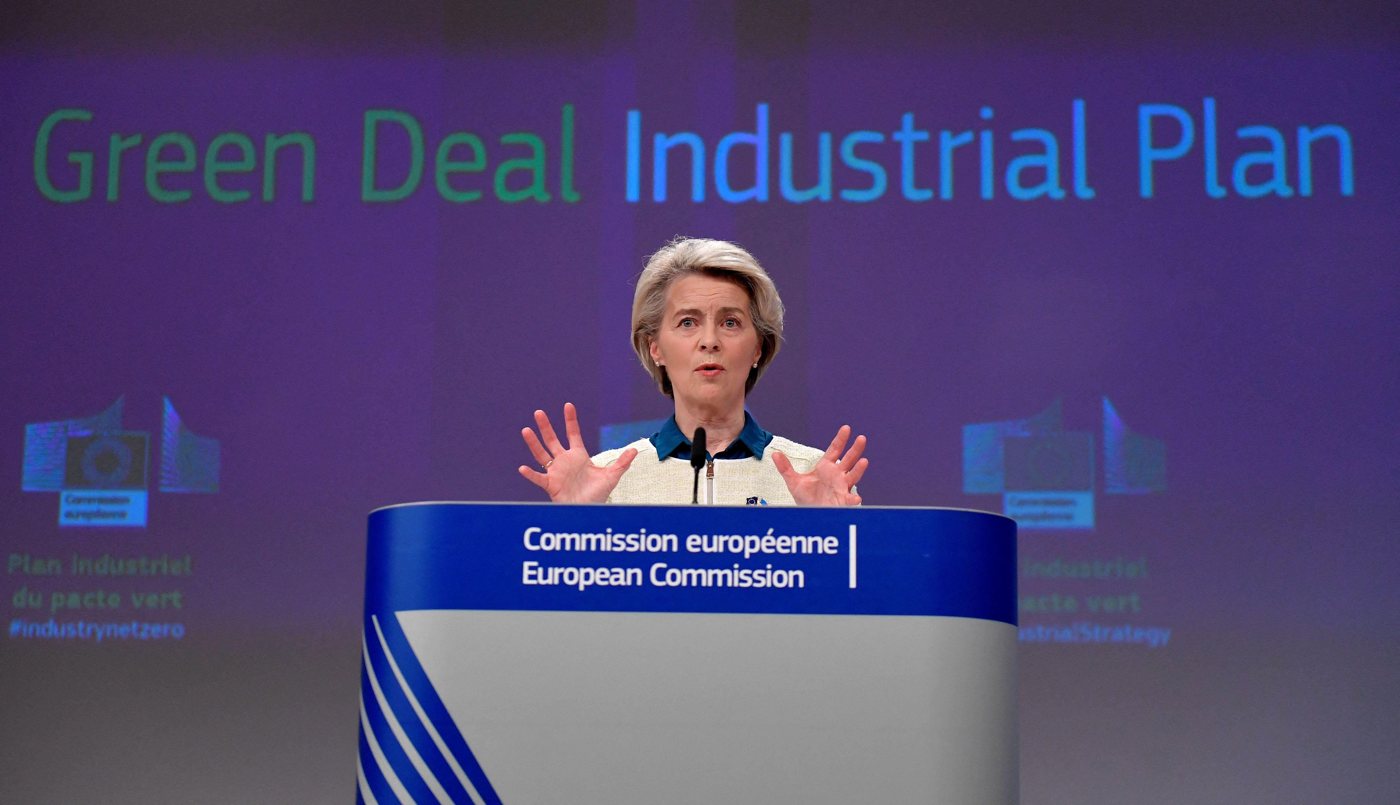
The European Union's recently published Electrification Action Plan has laid bare a stark pricing disparity: electricity costs roughly three times more than natural gas for consumers across the bloc, with taxation emerging as a primary driver of the gap. The report, which outlines strategies to accelerate the shift away from fossil fuels, explicitly acknowledges that electricity is taxed at substantially higher rates than gas in most member states. This imbalance, the plan argues, is one of the cheapest and most effective levers remaining for policymakers to encourage faster electrification of heating, transport, and industry.
The finding comes as the EU pushes toward its ambitious climate targets, including a 55 percent reduction in greenhouse gas emissions by 2030 and climate neutrality by 2050. Electrification—replacing fossil fuel-based technologies with electric alternatives such as heat pumps, electric vehicles, and industrial electric furnaces—is considered a cornerstone of the transition. Yet the current tax structure creates a perverse incentive, making it cheaper for households and businesses to continue burning natural gas rather than switching to cleaner electric solutions.
According to data cited in the action plan, the average price of electricity in the EU is approximately €0.25 per kilowatt-hour, compared to roughly €0.08 per kilowatt-hour for natural gas. Taxes and levies account for a significantly larger share of the electricity price—often 30 to 40 percent—than they do for gas, where taxes typically represent 10 to 15 percent. In some member states, the disparity is even more pronounced. Germany, for example, imposes a range of surcharges on electricity, including the EEG surcharge that funds renewable energy expansion, while natural gas benefits from lower value-added tax rates and fewer environmental levies.
The Electrification Action Plan, published by the European Commission, identifies the tax gap as a key structural barrier. It notes that while carbon pricing through the Emissions Trading System (ETS) has increased the cost of fossil fuels, the effect has been partially offset by the relatively low taxation of gas. The plan calls for a comprehensive review of energy taxation across the EU, urging member states to align electricity and gas tax rates more closely. The Commission estimates that reducing the tax burden on electricity could lower consumer prices by 15 to 20 percent, making electric alternatives more competitive without requiring additional subsidies.
Energy analysts have welcomed the focus on taxation, describing it as a low-cost policy tool compared to building new grid infrastructure or deploying large-scale storage. "Tax reform is the cheapest lever we have left," said one senior energy policy expert quoted in the report. "You don't need to build anything. You just need to change the tax code." The plan also highlights that the current system disproportionately affects low-income households, which spend a larger share of their income on energy bills. Reducing electricity taxes could provide immediate relief to vulnerable consumers while simultaneously advancing climate goals.
The action plan comes amid a broader debate about the cost of living and energy affordability in Europe. Following the energy crisis triggered by Russia's invasion of Ukraine, many governments introduced emergency measures to cap electricity and gas prices. However, those temporary interventions are being phased out, and structural reforms are now needed to ensure that the energy transition does not place an unfair burden on citizens. The Commission's analysis suggests that without tax reform, the electrification rate in the EU will remain below the levels needed to meet 2030 climate targets.
Industry groups have also weighed in. The European electricity sector association Eurelectric has long argued that the tax disparity undermines the competitiveness of clean electricity. In a statement, the group called for "a level playing field" between electricity and fossil fuels, noting that the current system effectively penalizes the cleanest energy carrier. The European Heat Pump Association similarly welcomed the plan, saying that reducing electricity taxes would accelerate the deployment of heat pumps, which are considered essential for decarbonizing building heating.
However, tax reform is not straightforward. Energy taxation in the EU is governed by the Energy Taxation Directive, which requires unanimous approval from all 27 member states to amend. Previous attempts to revise the directive have stalled due to disagreements over national tax sovereignty and the impact on state budgets. Some governments rely heavily on electricity taxes and levies to fund renewable energy subsidies, grid upgrades, and social programs. Reducing those taxes would require finding alternative revenue sources, which could prove politically difficult.
Despite these challenges, the Electrification Action Plan represents a significant step in acknowledging the problem and setting a direction for reform. The Commission has indicated that it will propose legislative changes to the Energy Taxation Directive in the coming months, with the aim of gradually aligning tax rates on electricity and gas. The plan also encourages member states to take immediate national action, such as reducing VAT on electricity or eliminating environmental levies that disproportionately burden electric power.
The broader context of the plan is the EU's struggle to maintain industrial competitiveness while pursuing aggressive decarbonization. High electricity costs have been cited by European manufacturers as a disadvantage compared to competitors in the United States and China, where energy prices are lower. By addressing the tax gap, the EU hopes to lower electricity costs for industry, making European products more competitive on global markets while also reducing emissions.
Environmental groups have generally praised the plan but caution that tax reform alone will not be sufficient. They argue that it must be accompanied by investments in grid modernization, energy storage, and demand-side management to ensure that lower electricity prices translate into higher electrification rates. The Commission acknowledges this, noting that the action plan includes measures to accelerate grid permitting, expand renewable energy deployment, and support the development of smart charging infrastructure for electric vehicles.
In the coming months, the debate over energy taxation is expected to intensify as member states begin to negotiate the proposed changes. The outcome will have significant implications for the pace of Europe's energy transition, the cost of living for millions of households, and the competitiveness of European industry. For now, the message from Brussels is clear: the era of taxing clean electricity more heavily than polluting gas must come to an end.
100