5 minEconomy
Dimon warns dollar dominance is conditional as Trump remakes US economic policy
The JPMorgan CEO tied reserve-currency status to enduring American strength. Trump's fiscal expansion, tariff strategy and confrontation with the Fed now form part of the evidence investors will use to judge that strength.
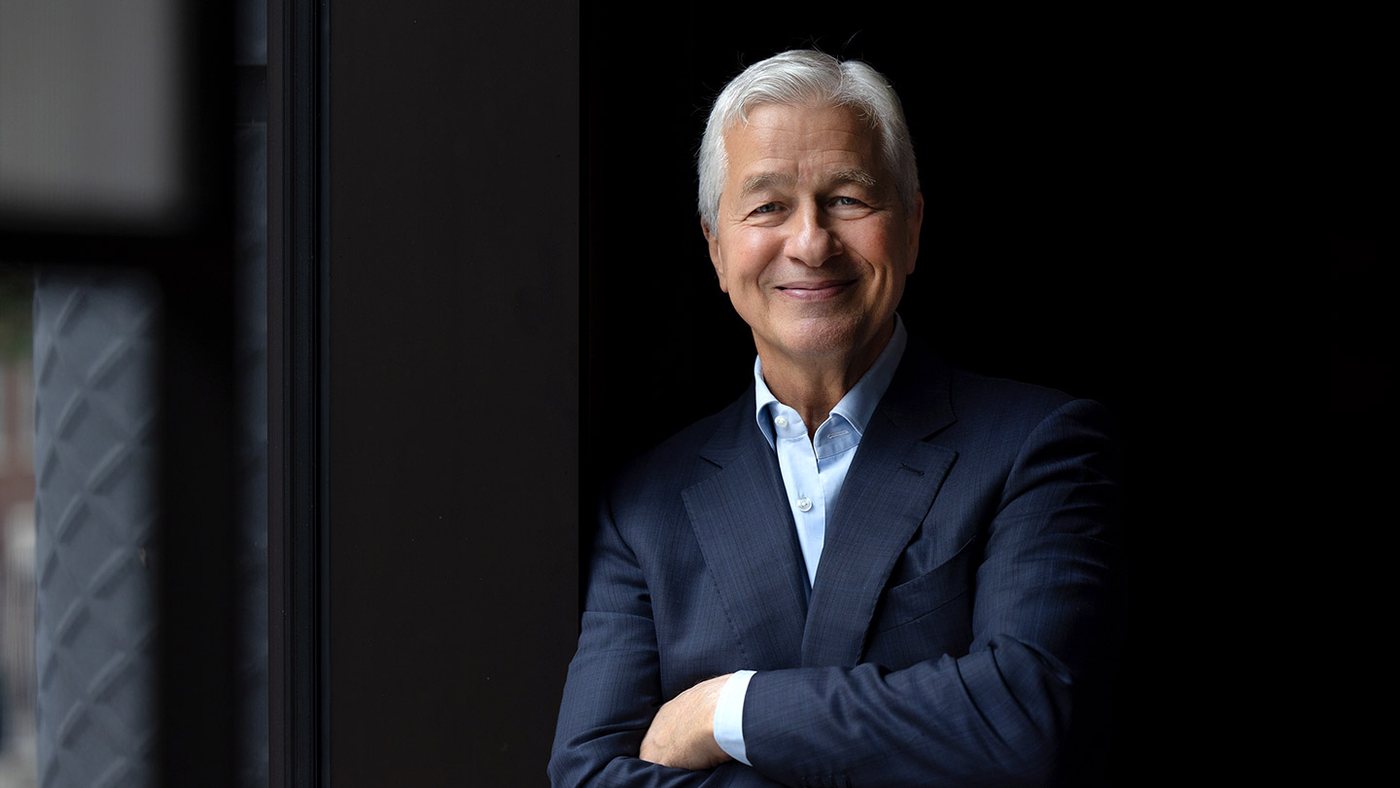
The U.S. dollar remains the world's dominant reserve currency, and the latest data do not show an abrupt retreat from it. Yet JPMorgan Chase CEO Jamie Dimon is warning that dominance is conditional. In an interview aired over the weekend, he said the United States could eventually lose reserve-currency status if it no longer has the world's strongest economy and military.
The comment arrives at a moment when President Donald Trump is pursuing major changes in fiscal, trade and institutional policy. Trump has promised to preserve the dollar's reserve role and the White House has said his policies have strengthened it. Dimon's warning does not directly accuse the president of weakening the currency. It does, however, identify a set of long-term conditions against which Trump's program can be evaluated.
IMF data provide the necessary baseline. In the first quarter of 2026, the dollar accounted for 57.13% of global foreign-exchange reserves, up from 56.42% in the previous quarter. Valuation effects explained part of that increase. The euro was around 20%. Those figures show continued dollar dominance rather than a current loss of reserve status.
Fiscal policy is one of the clearest areas of change. Trump signed Public Law 119-21 in July 2025. The Congressional Budget Office estimates in its 2026 baseline that the reconciliation law increases projected deficits by about $4.7 trillion from 2026 through 2035 after accounting for macroeconomic and debt-service effects. CBO projects a $1.9 trillion deficit in fiscal 2026 and debt held by the public rising to 120% of GDP by 2036.
The law also has growth effects. CBO says it contributes to stronger real GDP growth in 2026 through incentives to work and invest, while larger deficits and higher interest rates offset some of that benefit later. The reserve-currency question is therefore not reducible to whether the law is expansionary. It is whether stronger output can be sustained while debt and interest costs rise.
Trump's tariff policy presents a similar trade-off. A temporary 10% import surcharge was applied from February 24 through July 24, 2026, and other trade measures remain in place. CBO says higher tariffs reduce projected deficits substantially because of customs revenue, but they also weigh on economic growth. Dimon has acknowledged that tariffs can bring trading partners to the table and that targeted measures may be necessary for national security. He has also argued that U.S. economic policy should strengthen critical allies and preserve stability and consistency.
That distinction is relevant because Dimon has explicitly linked alliances to reserve-currency status. In his 2025 letter to shareholders, he warned that fragmented relationships among U.S. allies could leave America more isolated and eventually threaten the dollar's global role. His 2024 letter also emphasized open markets, rule of law and reliability as sources of demand for the currency and U.S. assets.
Federal Reserve independence is another institutional factor. Dimon said in January that he supports an independent central bank amid the Trump administration's conflict with Fed leadership. In June, the Supreme Court prevented Trump from removing Fed Governor Lisa Cook for the time being. Political disputes over the central bank do not by themselves determine reserve allocations, but they bear on the institutional credibility Dimon identifies as part of the U.S. advantage.
The Trump administration has its own case for why its policies reinforce the dollar. It points to stronger defense spending, efforts to rebuild strategic manufacturing and the GENIUS Act, which requires regulated stablecoins to be backed by liquid dollar assets such as Treasuries. The White House says those policies will expand dollar use and demand for U.S. debt.
At this stage, the evidence supports a narrower conclusion than the most dramatic interpretation of Dimon's remarks. The United States has not lost reserve-currency status under Trump. But the president's policies are changing the fiscal balance, trading system and institutional environment that help sustain that status. Dimon's warning shifts the focus from today's exchange rate to a longer question: whether those changes leave the United States more productive, more trusted and more closely connected to allies than it was before.
68