6 minEconomy
Democratic Socialist Proposals Raise Questions on Funding and Fiscal Responsibility
As Democratic Socialist candidates propose expansive government programs, a financial planner warns that every promise has a price tag, questioning how to fund them amid nearly $40 trillion national debt.
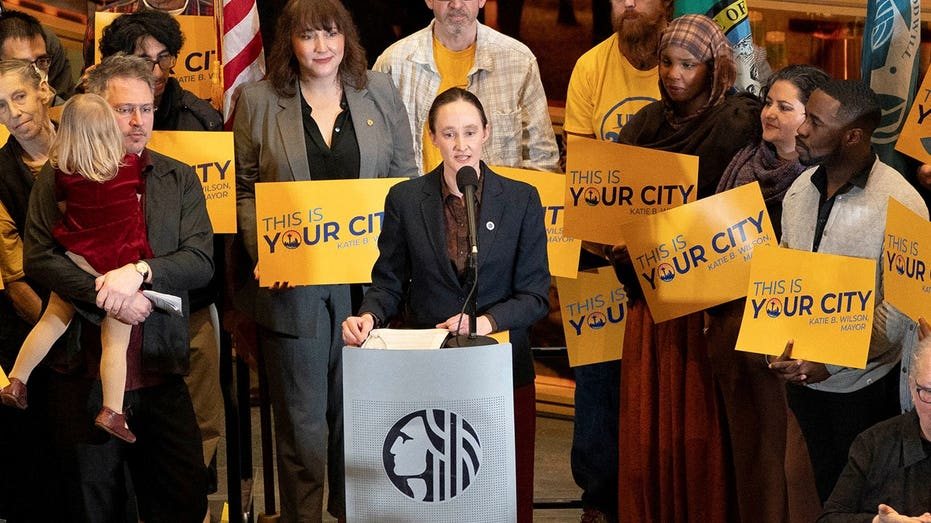
As Democratic Socialist candidates gain momentum across the United States with proposals for government-funded childcare, free public transit, tuition-free college, universal healthcare, and higher taxes on the wealthy, a veteran financial planner is raising a fundamental question: how will these programs be paid for? Ted Jenkin, a Certified Financial Planner with more than three decades of experience, argues that while many of these ideas may sound compassionate and could address real problems, good intentions alone do not balance budgets.
The United States is already carrying nearly $40 trillion in national debt and continues to run trillion-dollar annual deficits. Interest on that debt has become one of the fastest-growing expenses in the federal budget, meaning taxpayers are spending hundreds of billions of dollars every year simply paying interest on past borrowing rather than funding infrastructure, education, or national defense. Jenkin warns that adding more spending without a clear funding plan could exacerbate these fiscal challenges.
In New York City, progressive leaders have proposed policies ranging from city-owned grocery stores and free buses to major expansions of public housing and government-funded childcare. In Seattle, policymakers have pursued higher business taxes, expanded tenant protections, and broader public spending to address housing affordability and inequality. Supporters argue these measures make life more affordable for working families, while critics contend they increase long-term financial obligations, discourage business investment, and create budget pressures that future taxpayers will have to absorb.
Jenkin emphasizes that the core principle remains the same regardless of political persuasion: eventually, the bill comes due. He notes that America became the most prosperous nation in history by rewarding value creation, encouraging entrepreneurship, and promoting hard work and personal responsibility. While acknowledging that system was not perfect, he argues it generated more opportunity, innovation, and wealth than any other economic model. He cautions that continually expanding government's role without transparent funding mechanisms risks redistributing existing wealth rather than fostering new growth.
The debate over funding is not limited to federal programs. State and local governments also face difficult choices. For example, New York City's recent budget negotiations highlighted tensions between expanding social services and maintaining fiscal discipline. Mayor Eric Adams has pushed for spending cuts to address projected deficits, while City Council members have advocated for increased investment in housing and education. Similar dynamics play out in cities across the country, where progressive agendas often collide with budgetary realities.
Jenkin calls on politicians to provide detailed funding plans for any new programs they propose. He wants to see projections covering the next decade, not just the next election cycle, and contingency plans for what gets cut if revenues fall short. He argues that this transparency is not a partisan issue but a basic requirement of responsible governance. Families and businesses must answer the question of how to pay for major decisions, and he believes the federal government should be held to the same standard.
The national debt has grown substantially under both Democratic and Republican administrations. According to the Congressional Budget Office, the federal deficit is projected to reach $1.5 trillion this year, driven by mandatory spending on Social Security, Medicare, and interest payments. The national debt now exceeds the size of the entire U.S. economy, a level not seen since World War II. Economists warn that high debt levels could crowd out private investment, reduce economic growth, and limit the government's ability to respond to future crises.
Proponents of expanded social programs argue that investments in education, healthcare, and infrastructure can boost long-term economic growth and reduce inequality. They point to countries like Denmark and Sweden, which combine high taxes with robust public services and strong economic performance. However, critics note that those countries also have lower levels of national debt relative to their economies and face their own fiscal challenges.
Jenkin concludes that compassion and fiscal responsibility are not opposites. Lasting compassion, he argues, depends on sound finances. He urges voters to demand that politicians explain not just what they plan to give, but who will pay for it. As he puts it, that is a democratic idea worth embracing.
95