4 minEconomy
Chicken Wing Prices Drop After Years of High Costs, but Restaurant Menus May Not Reflect Decline
Wholesale chicken wing prices have fallen significantly from pandemic-era highs due to increased production and lower feed costs. While consumers may see promotional deals, menu prices are unlikely to drop immediately as restaurants adjust to fluctuating costs.
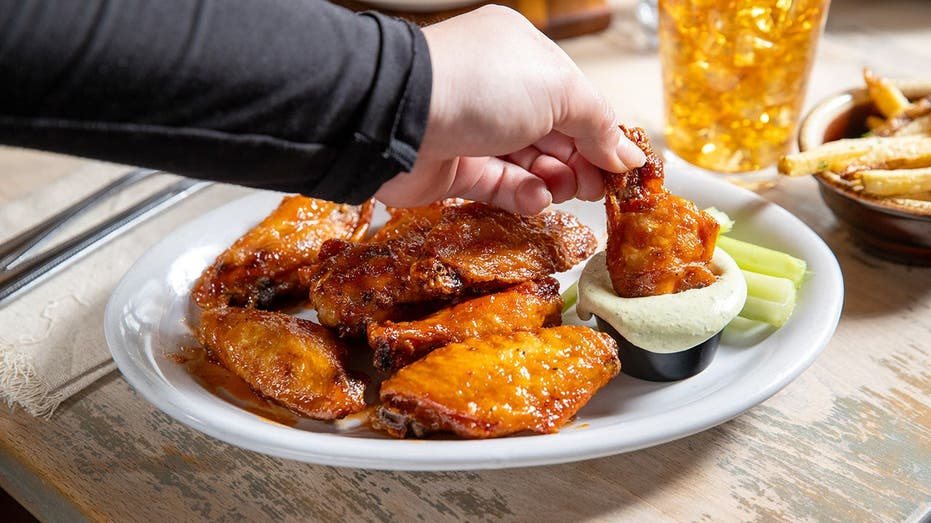
Wholesale chicken wing prices have fallen sharply from their historic pandemic-era peaks, offering relief to restaurants and consumers amid a steady supply of the popular protein. U.S. meat-chicken producers have boosted domestic production by 2.2% in 2025, aided by lower feed costs, according to a Wells Fargo report. The increased output has helped keep wing supplies strong and wholesale costs well below levels seen during the COVID-19 pandemic.
Despite the lower wholesale prices, restaurant menus may not immediately reflect the decline. Kipper Greist, managing partner of Jumby Bay Island Grill in Jupiter, Florida, explained that reprinting menus is costly and impractical for short-term price changes. «Prices fluctuate constantly on every menu item,» Greist said. «If one item drops, three go up. The cost of reprinting menus is thousands of dollars, so it isn't cost-effective to raise or lower prices when the market changes. We would rather offer specials like our 99-cent wings on Wednesdays and during football season.»
The drop in prices stems from better-than-expected production outcomes. The National Chicken Council's senior vice president of public affairs, Tom Super, noted that hatchability and liveability have surprisingly improved. «Chicken production, including wings, of course, is running ahead of earlier expectations as hatchability and liveability have somewhat surprisingly improved,» Super said. «The poultry genetists and live-production management have apparently begun to overcome these two challenges.»
Wholesale wing prices opened 2025 below $1.00 per pound and have risen only modestly to slightly above $1.10 per pound — a 66% decline from their historic pandemic-era high above $3.20 per pound, according to Southern Ag Today. The U.S. Department of Agriculture reports that wholesale wing prices have strengthened recently, but they remain a bargain for restaurants and grocery retailers.
Consumer demand plays a key role in price swings. «With the wing supply somewhat fixed, fluctuating consumer demand heavily influences the ups and downs in wholesale prices,» Super said. When prices rise to unattractive levels, food service buyers reduce promotions, but when they fall to affordable levels, buyers ramp up marketing. This cycle means consumers may see more wing specials and deals as prices stay low.
Chicken wings are also considered an affordable protein option. «Consumers are continuing to value and appreciate wholesome protein in their foods,» Super said, adding that favorable pricing offers wing lovers an opportunity to gather with friends and family affordably. Greist emphasized the versatility of wings, calling them «a menu item that never grows old.» He noted that customer preferences are shifting toward new sauces such as hot garlic, garlic Parmesan, Thai chili, and mango barbecue, moving away from traditional flavors.
The origin of America's love for chicken wings is widely credited to the Anchor Bar in Buffalo, New York, where deep-fried wings coated in hot butter sauce were first served with blue cheese dressing and celery. The dish has since become a staple of American cuisine, especially during sporting events and celebrations.
As National Chicken Wing Day arrives, industry experts suggest that consumers can expect to find deals and specials at many restaurants, even if base menu prices remain unchanged. The combination of abundant supply, lower wholesale costs, and evolving flavor trends continues to make chicken wings a popular and accessible choice for diners across the country.
94