4 minBusiness
Why Giving and Receiving Negative Feedback Is Hard for Leaders
Psychological research shows that constructive criticism is essential for leadership, yet many managers struggle to deliver it and even more struggle to accept it. The article explores the reasons behind this difficulty and its implications for workplace performance.
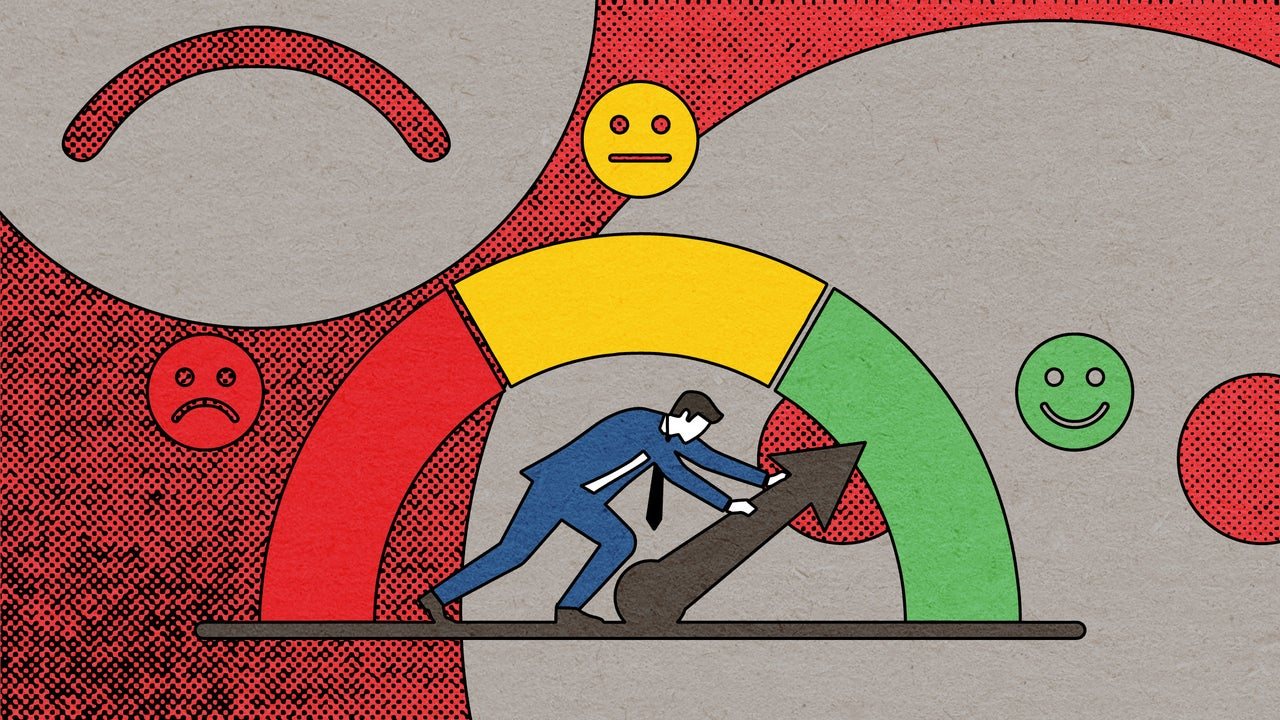
Effective leadership depends on the ability to provide constructive feedback, yet many managers find it difficult to deliver criticism that employees need to improve. Psychological research indicates that leadership requires coordinating collective activity and turning groups into high-performing teams, which hinges on telling people what they need to hear, not just what they want to hear. In a workplace culture that increasingly prizes positive reinforcement and self-confidence over self-knowledge, the skill of delivering a reality check has become essential for managers.
However, giving negative feedback is fraught with risk. One of the largest meta-analyses on feedback found that while it generally improves performance, more than one-third of feedback interventions actually lower it. This is partly due to human psychology: people are naturally neurotic compared to other species, leading to self-doubt and embarrassment about appearing inadequate. At the same time, humans have a unique ability to distort reality in their favor, often surrounding themselves with sycophantic tools and individuals that inflate their self-esteem rather than provide honest assessment.
Managers face additional obstacles. Their performance is often measured through 360-degree feedback and employee engagement surveys, and many firms subscribe to the belief that a happy worker is a productive worker, making it risky to upset direct reports. There is also little training on how to give negative feedback effectively, despite an abundance of theoretical frameworks. As a result, many leaders give up on trying to improve underperformers, instead focusing their energy on praising high performers or replacing those who struggle.
Receiving negative feedback is often even harder for leaders than giving it. In a rational world, leaders would welcome honest input from reports, peers, and bosses to calibrate their behavior and improve performance. Research highlights the value of self-monitoring and psychological safety, which allows junior employees to critique their superiors. Yet in practice, many bosses surround themselves with people who are either similar to them or skilled at flattery, creating a self-serving feedback bubble that shields them from constructive criticism.
This tendency is particularly pronounced among poor leaders. The more incompetent a boss is, the more likely they are to surround themselves with people who avoid telling them the truth. There is a psychological benefit to ignoring negative feedback: it perpetuates self-deceptive fantasies of talent, which feels good and can convince others of one's abilities. This helps explain why optimism bias, overconfidence, and narcissistic tendencies are more common than realism and self-awareness in leadership positions.
In a complex world where understanding the purpose of work is increasingly difficult, an unwarranted sense of certainty can be more advantageous than a justified sense of uncertainty. As Voltaire noted, doubt is not a pleasant condition, but certainty is absurd. Yet absurdity appears to be not just compatible with leadership but a suitable pairing to it. The science of personality reliably predicts individual differences in leaders' ability to give and receive critical feedback, offering nuances that organizations should consider when developing their management talent.
57