5 minBusiness
Tinder CEO Says App Lost Product-Market Fit as Paying Users Decline
Spencer Rascoff, who took over Match Group in February 2025 and Tinder in July, introduced a new metric called «sparks» to refocus employees on customer outcomes after discovering staff measured success only by quarterly financial targets. Matches are up 14% year-over-year, but revenue and paying users continue to fall.
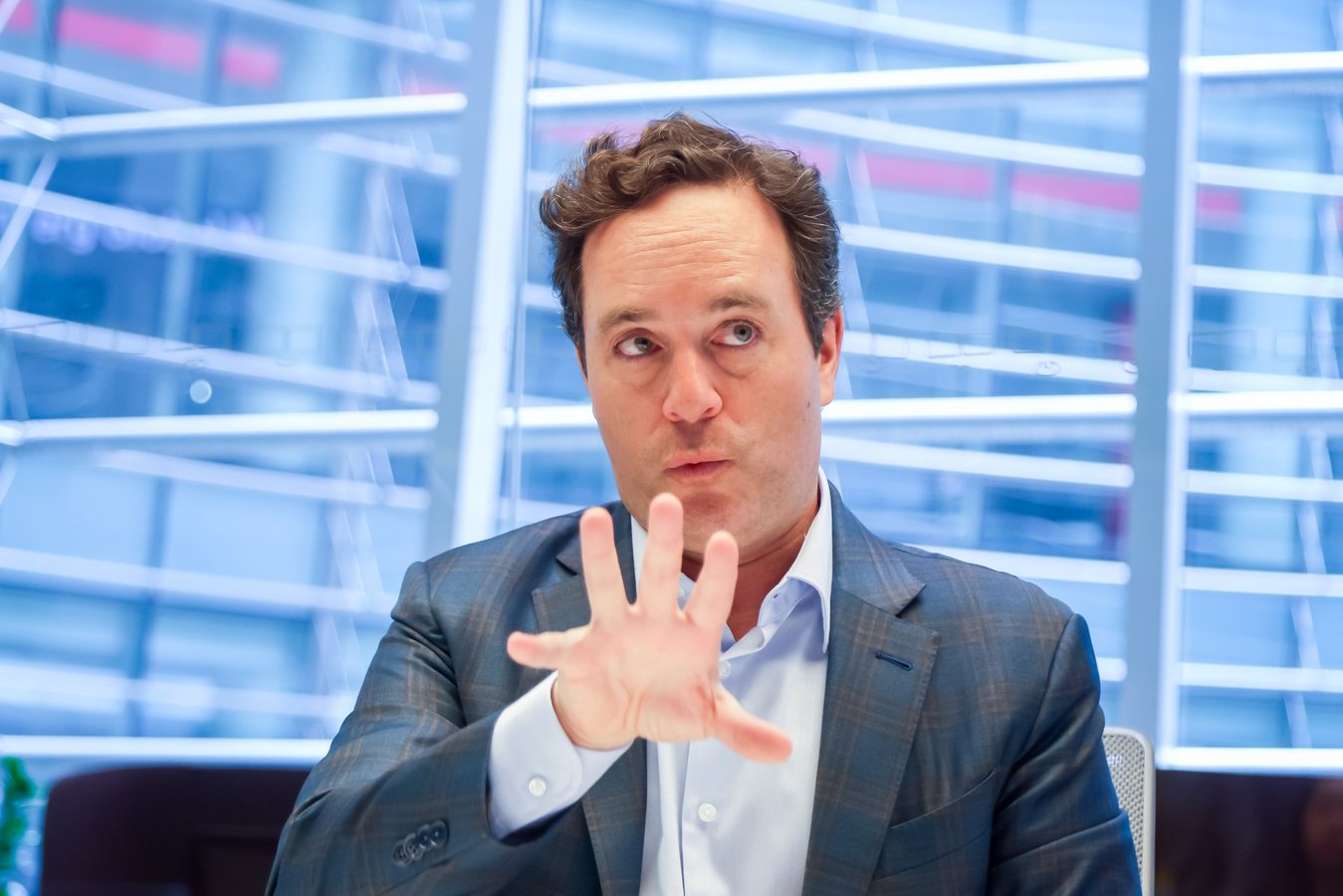
Tinder had lost product-market fit with its users after more than a decade of relying on the same swipe-based formula, according to CEO Spencer Rascoff, who took the helm of the dating app in July 2025 after becoming chief executive of parent company Match Group in February. In 2024, Tinder's paying user base declined 7% while revenue grew just 1%, a sign that the company had struggled to keep pace with changing consumer expectations.
«In a lot of ways Tinder had lost product market fit with its users because it hadn't innovated,» Rascoff said. The company, he acknowledged, had «rested on its laurels for a long time.» Rascoff, who previously led Zillow, set out to revive Tinder's culture of innovation, and one of his first moves was to ask employees a deceptively simple question about what success looked like.
He recalls receiving blank stares. Those who offered answers frequently pointed to quarterly profitability targets promised to Wall Street. Even designers, product managers and software engineers were measuring success against financial goals that offered little direction for improving the dating experience. The disconnect exposed a fundamental management problem: Tinder's mission is to help people form connections, yet the employees building its product lacked a shared measure of whether they were delivering on that promise.
To close the gap, Rascoff introduced a companywide metric called «sparks,» which tracks conversations between matched users that reach at least six back-and-forth exchanges. Tinder's analysis of millions of messages suggested that conversations reaching that threshold were more likely to develop into flirting and plans to meet in person. By focusing employees on sparks, Rascoff gave teams a measurable customer outcome to work toward, from improving matchmaking recommendations to helping users start better conversations.
He also pushed employees to consider the different needs of Tinder's users through two personas, Abby the anxious romantic and Jasmine the joyful butterfly. That customer focus has helped inform a broader reinvention of the app, including double dates that make meeting strangers less intimidating, real-world events where users can discover activities and connect with fellow attendees, and AI-powered recommendations that learn more quickly from users' preferences.
AI is also accelerating how quickly Tinder can introduce those features. Rascoff says the company is shipping 70% more code than a year earlier. An events product conceived in January launched in Los Angeles just eight weeks later, a process he estimates would previously have taken six to 12 months.
Rascoff says the changes are producing results, with matches up 14% year-over-year and more users reaching the spark threshold. Yet Tinder has struggled to translate that momentum into sustained business growth. In the second quarter, revenue declined 1% to roughly $457 million, its paying user base fell 5% to 8.5 million, and daily active users dropped 4%.
For Rascoff, the current challenge is turning a highly profitable but stagnant business into one that can grow again. The company's flagship app spent more than a decade relying on the formula that made it famous, and the swipe-left, swipe-right experience revolutionized online dating. But the decline in paying users and the modest revenue growth in 2024 made clear that the formula alone was no longer enough to keep the business expanding.
The new emphasis on sparks and customer personas represents a shift in how Tinder measures internal progress, moving away from quarterly financial targets as the primary definition of success. Whether that shift can reverse the decline in paying users and daily active users remains the central question for Rascoff as he works to rebuild growth at the dating empire he inherited.
8