5 minBusiness
Syndio CEO on rehiring a laid-off worker: 'People aren't interchangeable parts'
Syndio CEO Maria Colacurcio describes laying off a five-year employee during an AI-driven restructuring, then rehiring him months later after other staff resigned. She warns that companies chasing AI efficiency risk undervaluing institutional knowledge, citing data that three in ten employers later restored roles they had cut.
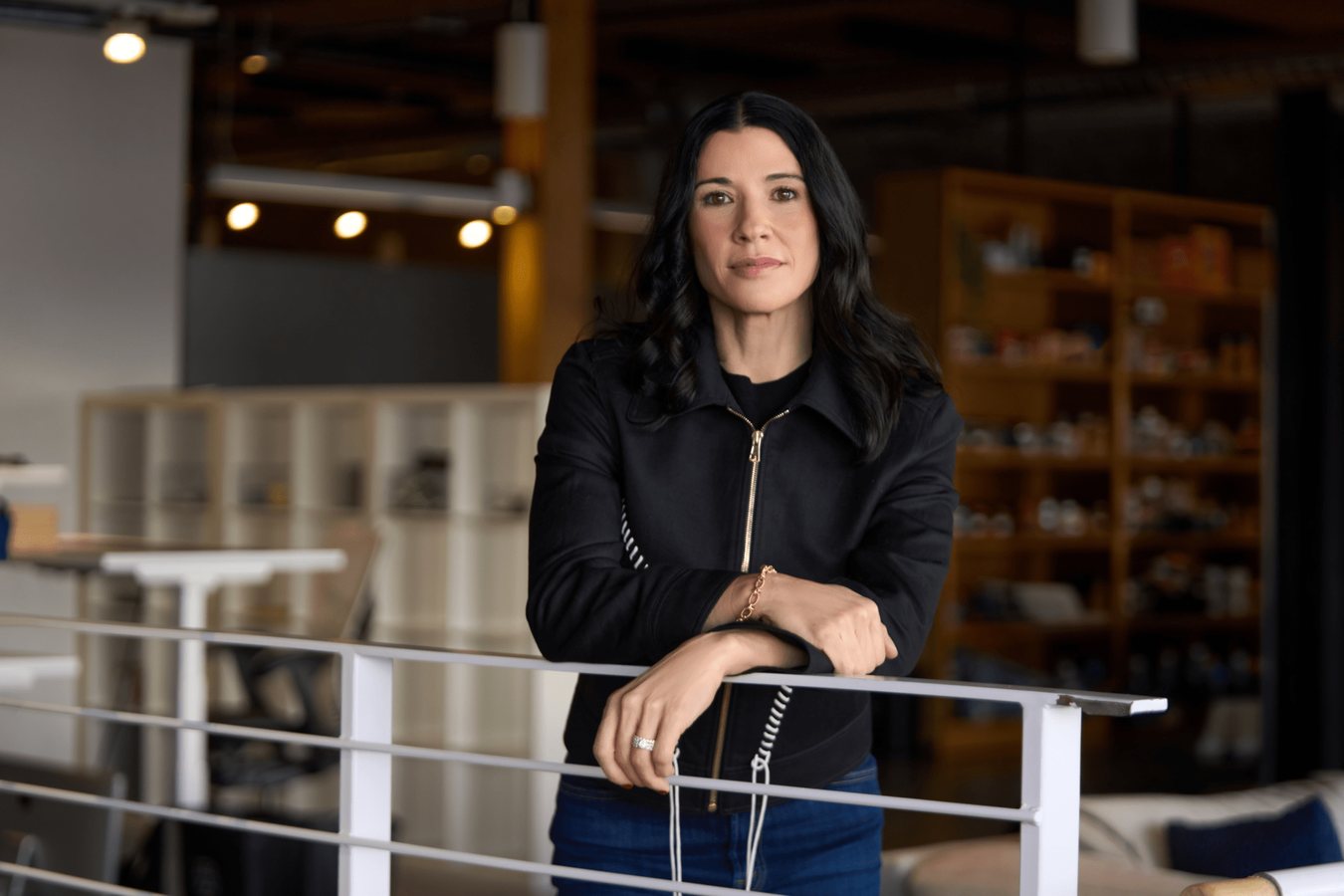
When Syndio eliminated several roles in May as part of a company redesign, labor economist Jonathan Vidales was among those let go after five years with the firm. Around the same time, the company redefined other jobs, asking employees to take on more responsibility and a quota. Leadership assumed workers would accept the changes without complaint, given a tighter job market that had shifted leverage back toward employers.
That assumption proved wrong. Within a few months, several employees who had been asked to take on expanded roles resigned. In the push to become more efficient in the age of AI, the company lost some of the very talent it needed, CEO Maria Colacorcio wrote in a Fortune commentary piece reposted on her Substack, Pay Dirt.
The good news for Syndio: Vidales came back. In August, he applied for one of the company's newly opened roles and was rehired. On a Zoom call, he told Colacurcio that returning felt like "sneaking back in the house after I got kicked out." The comment was a gut punch, she said. What struck him even more was the cold, corporate restructuring announcement still sitting in his inbox when his account was reactivated. In Colacurcio's mind, the company was announcing a restructuring. In his, people he knew and worked alongside had just lost their jobs.
Colacurcio acknowledged the lesson: "I won't have to learn that lesson twice." She noted that at a time when every CEO feels pressure to move faster, get leaner, and reorganize completely around AI, it is easy to undervalue the people already in the building.
The broader trend is measurable. AI-attributed cuts peaked in May, when U.S. employers announced 97,000 job cuts and blamed 40 percent of them on AI, according to executive coaching firm Challenger, Gray & Christmas. Zillow cut more than 500 people earlier this month, announced the day before earnings. Former Lululemon executive Julie Averill wrote in the New York Times that leaders are either "AI wishing" — believing they can fix a problem by waving AI at it — or "AI washing," blaming job cuts on efficiency that doesn't yet exist.
Companies are imagining what AI might make possible and making moves before fully understanding how to get there. Three in ten employers eliminated positions after implementing AI, only to later add those roles back, according to an April 2026 study by global staffing firm Robert Half.
Colacurcio is not arguing that companies shouldn't change. Syndio had to change when it shifted from being more of a pure software consultancy to becoming an AI-centric technology company. Advisory work remains important, but the center of gravity shifted. New priorities required new roles, and inevitably, some restructuring.
The real lesson, she wrote, is about the danger of chasing the Next Big Business Model before fully understanding whether the skills, experience, and institutional knowledge you already have can evolve with you. There is a refrain in the market that knowledge work is becoming irrelevant in the age of AI. Colacurcio believes almost the opposite: AI can make experienced people even more valuable, if they are given the right tools to adapt.
Roles can evolve. Skills can be rebuilt. But that requires leaders to invest in training and create a path for people to make that transition. "As leaders, that's on us," she wrote.
The bottom line, she said, is that people aren't interchangeable parts. Institutional knowledge, trust, relationships, and expertise take time to build, and sometimes you don't fully understand their value until they are gone. Colacurcio framed the story of Vidales as one of second chances — both for an employee taking another chance on a company, and for a company taking another look at what it values.
"As leaders, we spend so much time looking forward that we forget the value of also looking back, and questioning the decisions we made along the way," she wrote. "It's okay to change your mind. To reinvent yourself. Reinvent your company. Reinvent your team. Reinvent your leadership style. Sometimes moving forward means admitting you got something wrong — and getting a second chance to make it right."
72