5 minBusiness
Russian marketplace sellers allege missing stock resurfaced on AliExpress
A Pladrom investigation documents seller losses and a confirmed Wildberries–AliExpress integration, but says the key claim of resold written-off inventory still lacks an item-level proof chain.
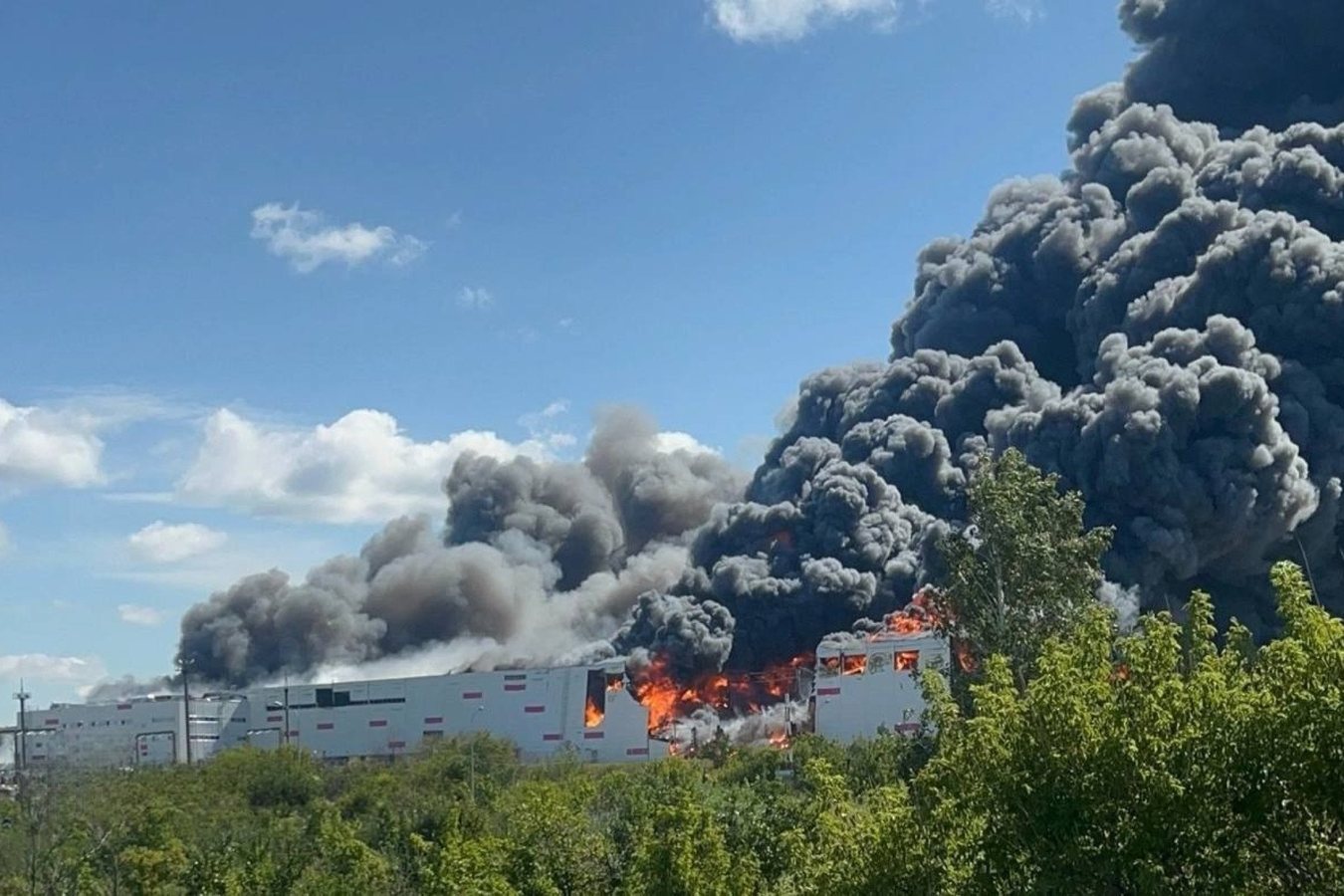
Merchants on Russia’s largest online marketplace are alleging that some goods they believed were lost after warehouse fires later appeared for sale through AliExpress. The allegation is examined in a Pladrom investigation, which also documents a confirmed technological connection between AliExpress and Wildberries.
The seller dispute follows a series of attacks on Wildberries logistics infrastructure. On July 18, major fires broke out at facilities in Elektrostal and Kotovsk after drone strikes. Businesses that stored inventory through the marketplace reported heavy losses.
The compensation question was complicated by a seller agreement revision that had taken effect on July 7. The contract explicitly listed the consequences of drone use, shelling and explosions among events treated as force majeure. Wildberries later made support payments to affected merchants, although sellers continued to report gaps between their losses and the amounts received.
In early August, merchants began reporting that product pages for their brands were visible on AliExpress. The pages reproduced photographs, descriptions, specifications and reviews associated with their Wildberries listings.
One seller tested what happened behind the storefront. Denis Vdovin, owner of the Deanda brand, said he ordered his own product on AliExpress and then saw the order appear in his Wildberries seller account. Wildberries and AliExpress later confirmed they were testing an integration that allows the latter to display and sell some Wildberries-listed products.
That confirmation narrows the dispute. It establishes that the two platforms can share a sales channel. It does not establish that goods destroyed in a fire were somehow resold. An item page can represent stock distributed across multiple warehouses, and a listing may remain active when only one batch was affected.
Some merchants nevertheless claim that products they regarded as lost were among those displayed on AliExpress. RWB, the company behind Wildberries, has denied that goods from damaged sites are available for sale. It says such inventory is hidden until the company assesses its condition and updates the accounting system.
Pladrom also reports a broader seller theory: once the drone campaign against logistics sites began, some inventory may have been moved to other warehouses. The theory has been linked in seller discussions to Wildberries’ reported search for at least 100,000 square meters of additional storage in Kazakhstan and to the company’s acknowledged redistribution of goods among facilities.
No public records currently prove that route for a specific disputed item. There are no published shipping manifests, unique marking codes or serial numbers showing that a unit classified as lost in a Russian warehouse was moved to Kazakhstan and then delivered through an AliExpress order.
A related claim that some later warehouses may have burned after most goods had already been removed also remains unsupported. Reports of additional seller losses after later fires make it impossible to describe those facilities as empty on the available evidence.
The central accountability question is therefore narrower and testable: can a seller identify a particular unit that Wildberries treated as lost, and can that same unit later be linked to another sale? If that evidence appears, investigators could then follow the payment trail to determine who benefited. In the verified Deanda test, however, the purchase was routed back to the original seller’s account.
For now, the case presents a confirmed cross-marketplace integration operating alongside a major inventory-loss crisis. The allegation of organised diversion has not been established, but the overlap gives sellers a clear reason to demand detailed records rather than broad statements about aggregate stock.
66