6 minBusiness
Public Stadium Subsidies Reach $33 Billion as New Venues Shrink Seating and Raise Prices
A new analysis shows state and local governments have spent $33 billion on major-league sports stadiums since 1970, while new venues consistently reduce seating capacity and increase ticket prices, shifting the financial burden onto wealthier fans.
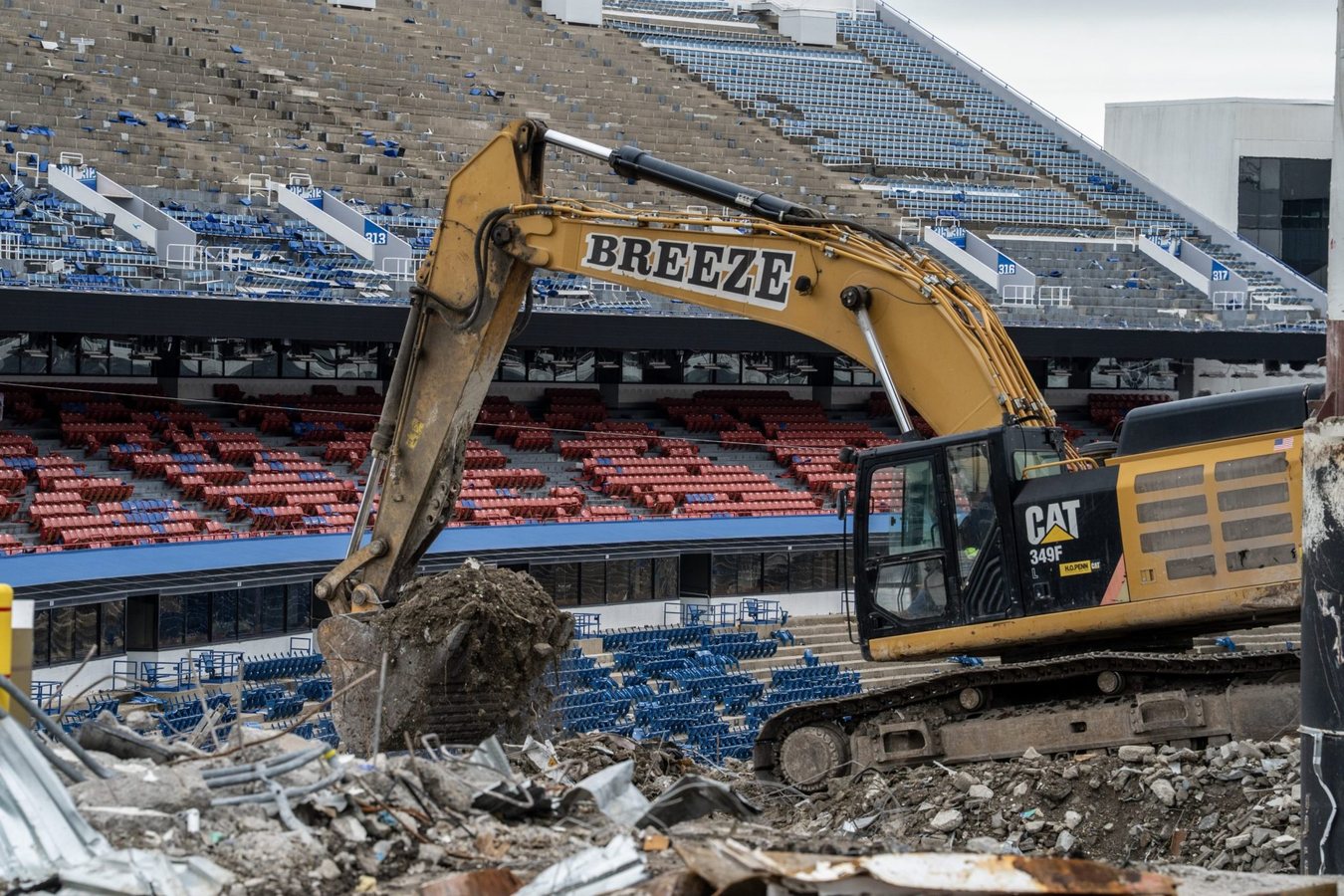
When the Buffalo Bills open their $2.2 billion Highmark Stadium this September, they will be opening the NFL's smallest venue: 60,108 seats, down from the 71,608 the old stadium held. To make that happen, New York State and Erie County paid $850 million in public funds, resulting in 11,500 fewer seats, with personal seat licenses running as high as $50,000 per seat. Get-in prices on opening night have already listed at $663 on the resale market.
The stadium was built, in significant part, with the money of the fans being priced out of it. New York State contributed $600 million; Erie County contributed $250 million, which collectively is the largest public subsidy ever committed to an NFL facility. But the Bills' new stadium is not unique in this funding arrangement. In deal after deal across American sports, the same playbook emerges: the public funds a venue, and the owner uses it to serve a wealthier, smaller crowd.
Between 1970 and 2020, state and local governments spent $33 billion in public funds on major-league sports arenas across the U.S. and Canada, with the median public contribution covering 73% of construction costs. That number has only accelerated: in 2024 alone, more than $13 billion in taxpayer subsidies were proposed by teams across professional sports for new construction and renovations.
Economists who study these arrangements say the pattern is consistent and predictable. "No one has ever built a new stadium and provided more affordable tickets after that new stadium has opened," said Victor Matheson, a professor of economics at the College of the Holy Cross who has studied sports subsidies for nearly 30 years. "It's, in fact, exactly the opposite."
The incentive structure pushes every owner in the same direction. Individual teams in most leagues do not have to share revenue from premium seats and luxury boxes with the rest of their league, while TV and merchandise revenue is pooled. That means owners can maximize their own returns by ripping out cheap seats, building suites, constraining supply, and extracting maximum value from the fans with the deepest pockets. Average NFL ticket prices nearly tripled from 2015 to 2025, up 173% after adjusting for inflation. The new Chiefs stadium is expected to have roughly 15% fewer seats than Arrowhead. New stadiums across the NFL, NBA, and MLB consistently follow the same pattern: fewer general seats, more luxury suites, higher prices throughout.
"The money is in super premium experiences, not in actually putting people in the seats," Matheson said. "The old model was: Build an 85,000-seat stadium and sell cheap bleacher tickets and hopefully they buy some peanuts and Cracker Jack. That's not the way anyone sells things anymore." He added: "We make stadiums and arenas smaller, but we make them nicer. You tear out a bunch of bleacher seats, and you put in a box with a handful of seats but a super-premium experience, because you can make a lot more money on a few seats to the right people than a lot of seats to the working class."
The trend extends beyond American professional leagues. FIFA raised prices on more than 90 of the 104 World Cup matches between October 2025 and April 2026, with the three main ticket categories rising an average of 34%. FIFA claims it received 500 million requests for the 7 million World Cup tickets on offer. FIFA President Gianni Infantino offered 130,000 tickets at $60 out of a total of six to seven million, and called it the "right thing to do." The Football Supporters Europe coalition filed a formal complaint accusing FIFA of abusing its monopoly position, and the New York and New Jersey attorneys general subpoenaed FIFA over alleged seat-location misrepresentation and artificial price inflation.
The stadium subsidy race has a direct parallel in the broader economy, as cities compete with each other using public money to offer companies better tax incentives to bring their businesses there. In 2018, Amazon solicited bids from 238 cities for its second headquarters. New Jersey offered $7 billion if Amazon located in Newark. Maryland pledged $8.5 billion. New York ultimately offered $3.5 billion in tax incentives, less than half of Newark's package, yet Amazon still chose New York. Amazon executives said the decision was based primarily on where employees wanted to live, not on incentives, meaning Newark's $7 billion was never really in the running, and eventually New York pulled out of the deal due to community opposition.
Economists say these cities, already with the structural advantages to win regardless, are essentially throwing money into the void because these companies and stadium owners were always going to pick them. Buffalo was never realistically going to lose the Bills. The $850 million was, in effect, a ransom paid to prevent a departure that was never truly on the table.
63