4 minBusiness
Pokémon Card Index Rises 27.9% as Onchain Marketplaces Expand
The PV100 has outpaced the S&P 500 in 2026, while tokenized trading platforms are vaulting physical cards and moving ownership on blockchains.
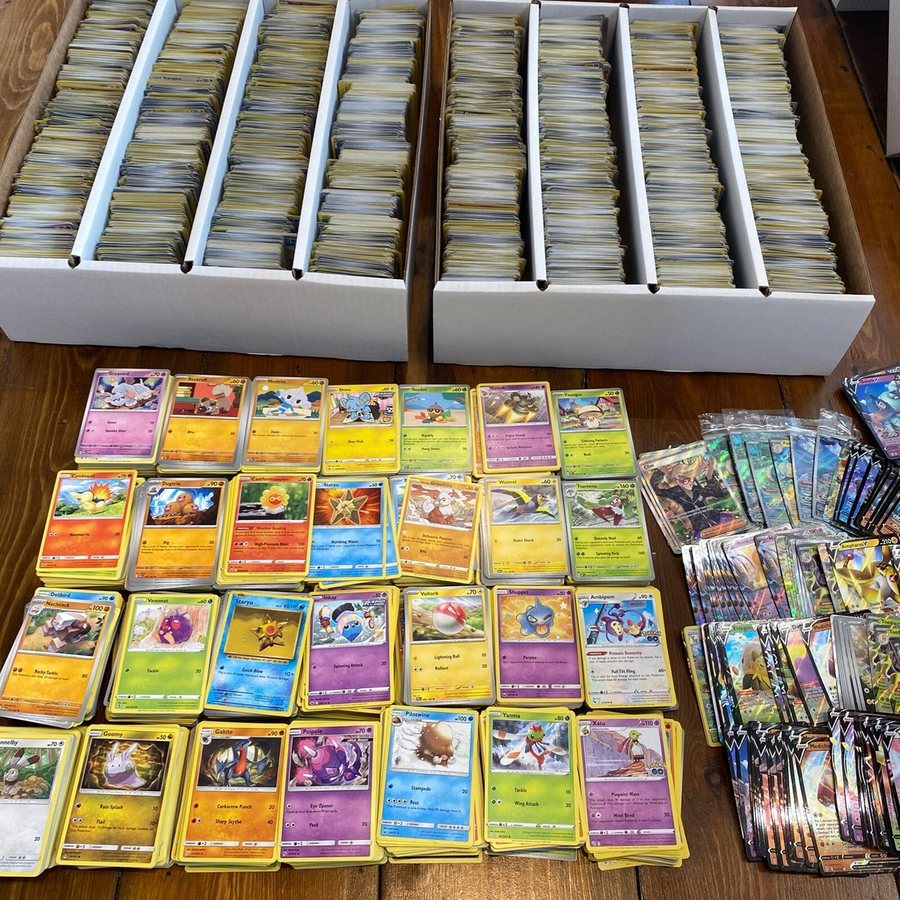
Premium Pokémon cards have outpaced U.S. stocks so far in 2026, adding another data point to the rapid financialization of a hobby that began around kitchen tables and schoolyards.
PokéViews’ PV100 index is up 27.9% since the start of the year. The S&P 500 closed August 13 at 7,798.99, a 13.9% year-to-date gain. Bitcoin, meanwhile, has remained well below its January level and was trading around $63,800 on Thursday.
The comparison has important limits. PV100 is a reference benchmark, not an investable security. It tracks 100 of the most valuable and actively traded English Pokémon cards, uses equal weights and is rebalanced monthly. Graded cards, sealed products and non-English issues are excluded. Real-world collectors also face authentication, condition, shipping and liquidity costs that do not appear in a simple index return.
What makes the story economically significant is the effort to reduce those frictions through tokenization. Platforms such as Courtyard and Collector Crypt place authenticated physical cards in vaults and create digital tokens linked to them. The token can trade online while the card remains stored, and a holder can redeem the digital claim for the physical item under the platform’s rules.
Activity has accelerated. The Block reported roughly $7.4 million in weekly revenue across tokenized Pokémon card marketplaces in the first week of May, up 337% from a year earlier. Courtyard led that week with a 46% share.
Blockworks Research reported an even larger measure of activity in June: $324.6 million in onchain spending across tokenized collectible-card gacha platforms. Collector Crypt represented nearly 65% of that total with $209.5 million.
Some of the growth comes from randomized digital packs rather than ordinary secondary-market trades. Users pay to reveal a randomly assigned, physically backed card and can then hold it, trade it or use an instant-buyback function. The model recreates the familiar booster-pack experience while dramatically shortening the time between purchase and resale.
The broader commercial market is measured in the billions. Mordor Intelligence estimates the global trading card game market at $15.11 billion in 2026, up from $13.28 billion last year. It projects the market to reach $24.36 billion by 2031. The estimates include a defined mix of physical and digital activity, so they should not be treated as the value of Pokémon cards alone.
Tokenization does not make the market risk-free. The physical card remains outside the blockchain and in the custody of a company. The owner therefore depends on accurate inventory records, secure storage, insurance and functioning redemption. Market liquidity can also fall quickly if demand for a card or a platform cools.
Pokémon’s 30th anniversary is likely to keep demand in focus. The company plans to launch its 30th Celebration TCG expansion on September 16. The next question is whether tokenized venues can keep growing after anniversary-driven attention fades, when reliable custody and ordinary two-sided trading matter more than the excitement of a new pack.
74