3 minBusiness
PepsiCo loses KFC to Coca-Cola as cola struggles deepen
KFC is switching its U.S. restaurants to Coca-Cola after 40 years, a blow that PepsiCo's CEO has acknowledged as a competitive shortfall in soft drinks. Industry observers trace the decline to strategic choices made over two decades.
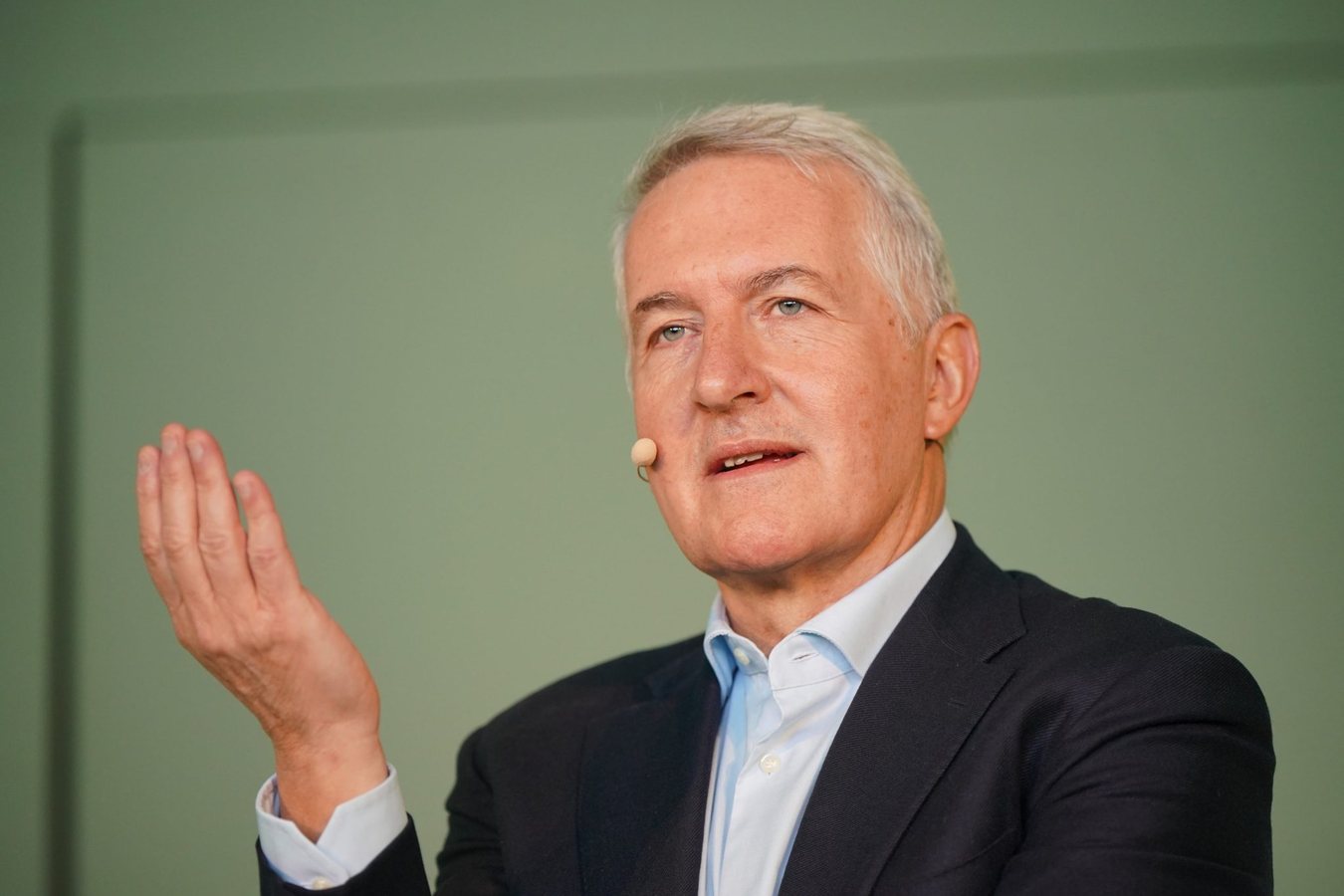
PepsiCo is losing ground in the soft drinks market, and its chief executive has acknowledged the problem openly. Ramon Laguarta said on the company's third-quarter earnings call that PepsiCo is "not competing well in soft drinks." The admission came days after KFC announced it would switch to Coca-Cola products at its 3,700 U.S. restaurants, ending a partnership of roughly 40 years.
The KFC decision stands out as a symbolic setback. Taco Bell, also owned by PepsiCo's restaurant business, has renewed its U.S. beverage agreement with PepsiCo for another 11 years, a sign that not every long-standing account has been lost. Still, losing a major fountain and restaurant partner of KFC's size has drawn attention to the broader weakness in PepsiCo's beverage division.
Fortune's analysis points to choices made by previous leadership as the root of the problem. Steve Reinemund, who ran PepsiCo from 2001 to 2006, broadened the portfolio through the 2001 merger with Quaker Oats, which brought Gatorade into the company. That deal also created a less flexible distribution structure and added complexity to the business. As PepsiCo leaders turned their attention to crop yields and health trends, Coca-Cola moved in and in 2003 struck a deal to displace Pepsi at Subway, then the chain's largest fountain customer. Pepsi won that business back last year.
Indra Nooyi, who succeeded Reinemund, continued the shift in emphasis. She divided the company's portfolio into three categories: "Fun for You" for fatty and sugary foods, "Better for You" for lower-calorie or lower-fat versions, and "Good for You" for nutritious products such as oatmeal and hummus. That framework arrived at a time when cities were seeking to ban large sugary drinks or impose vice taxes that placed cola in the same category as tobacco, and attention to soda faded further within the company.
Coca-Cola took a different path. It shed low-margin bottling plants and concentrated on becoming what it calls a total beverage company, a strategy that has produced 32 billion-dollar brands. PepsiCo now has fewer billion-dollar brands but a far broader business, generating more than twice Coca-Cola's revenue while carrying a market capitalization roughly half as large.
The comparison raises a question about structure. A diversified conglomerate like PepsiCo has advantages over a pure-play beverage company, particularly as the use of GLP-1 weight-loss drugs drives demand for healthier foods. Cola, the product that launched both rivals, now represents a small share of the overall beverage market. PepsiCo remains strong in innovation, marketing and talent, but according to the analysis, what has eroded since the days of the cola wars is focus.
4