4 minBusiness
Meta’s $17 billion settlement reshapes social media liability landscape
Meta has agreed to a proposed settlement worth up to $17.1 billion with a coalition of states over claims that Facebook and Instagram addict children. The deal imposes time limits and nighttime blocks for minors, but legal experts say it will not end the broader wave of litigation facing the industry.
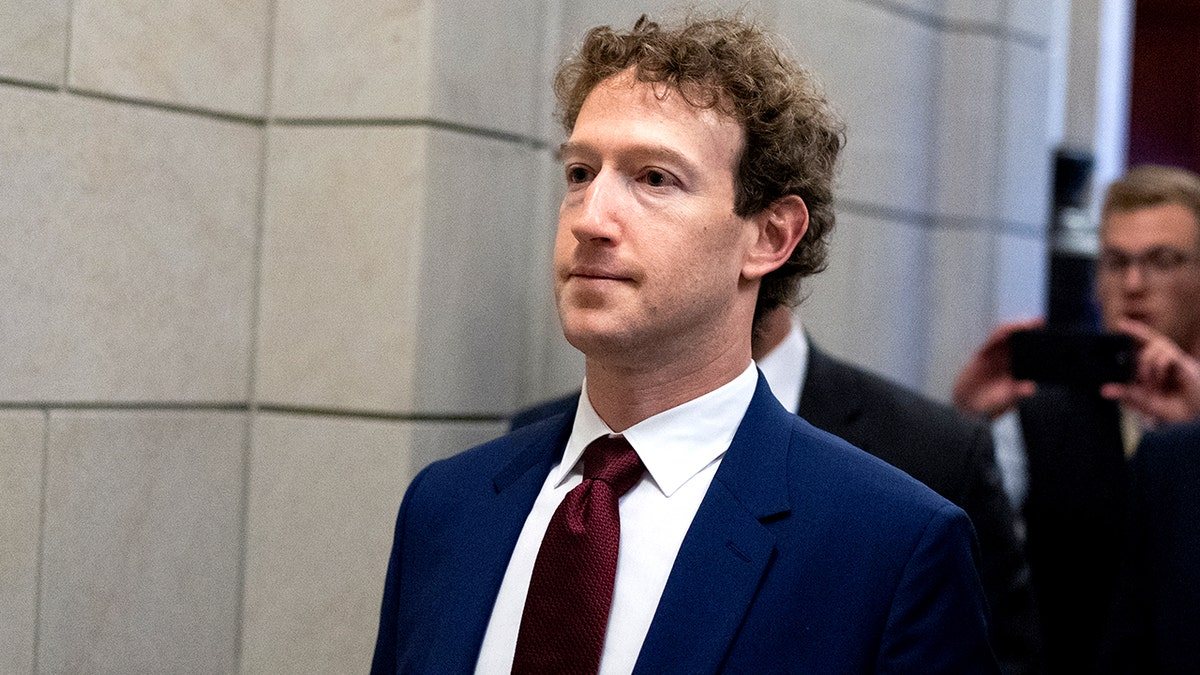
Meta has agreed to a proposed settlement worth up to $17.1 billion with a coalition of states over claims that its platforms addict children, a deal that ends one federal case but leaves the broader social media industry exposed to a wave of new litigation. The agreement, announced Wednesday, resolves claims originally brought by a coalition led by 29 states and requires the company to make significant changes to how minors use Facebook and Instagram.
The settlement is structured with a contingency: Meta will pay the full $17.1 billion only if other major platforms, including TikTok and YouTube, adopt parallel protections for children. Otherwise, the company will pay at least $12.1 billion over ten years under the agreement. Meta had estimated that potential penalties in the case could have reached $1.4 trillion, making the settlement a comparatively favorable outcome for the company despite its record size.
Under the proposed terms, Meta will impose daily time limits for underage users, block access from midnight to 6 a.m., and send notifications during school hours. These changes mirror measures the company had already begun implementing, according to the settlement documents. Legal analysts note that the practical effect of these restrictions remains uncertain, given how easily tech-savvy minors can circumvent platform controls.
The settlement follows a pattern established by earlier multistate agreements involving tobacco and opiates. The tobacco settlement reached over $206 billion, while opiate settlements totaled roughly $60 billion. Meta’s deal, while massive by ordinary standards, is smaller in relative terms for a company of its size, and analysts suggest the company may recoup much of the cost through market gains and pricing decisions, as tobacco companies did after their settlements.
Jonathan Turley, a legal commentator and professor, wrote that the settlement is a remarkably good deal for Meta given the scale of potential damages and years of litigation the company faced. He noted that some legal observers were skeptical of the underlying claims, arguing that the line between a popular product and an addictive one is subjective. Those legal questions will now wait for another test case, as Meta’s priority was clearly to limit damages rather than establish new legal precedent.
The deal does not end the wider wave of litigation against social media companies. Thousands of similar lawsuits are already pending across the country, and plaintiff’s attorneys are expected to pursue other platforms with renewed vigor following the settlement. Meta has also suffered adverse rulings in California and New Mexico, though those cases involve different claims and remain subject to appellate proceedings.
Critics of the settlement argue that the money should be directed toward children’s mental-health programs rather than general state funds, noting that many states did not use tobacco settlement funds for their intended purpose. The agreement will not erase the social costs associated with social media addiction, just as the tobacco settlement did not eliminate cancer or the opiate settlement did not end addiction, Turley wrote.
Social media remains one of the most transformative inventions in history, serving as a powerful tool for free speech and political discourse. Its popularity, however, comes at a price, and the settlement reflects growing societal concern about the impact of these platforms on young users. Ultimately, the burden of child protection will remain with parents monitoring and educating their own children, regardless of the platform changes required by the agreement.
144