5 minBusiness
Meta Creates New Class C Stock to Preserve Zuckerberg's Control as California Wealth Tax Looms
Meta will issue a new non-voting Class C share class, conceived after contentious negotiations between CEO Mark Zuckerberg and board members, to let him fund the Chan Zuckerberg Initiative and prepare for a potential multibillion-dollar California wealth tax without losing majority voting control.
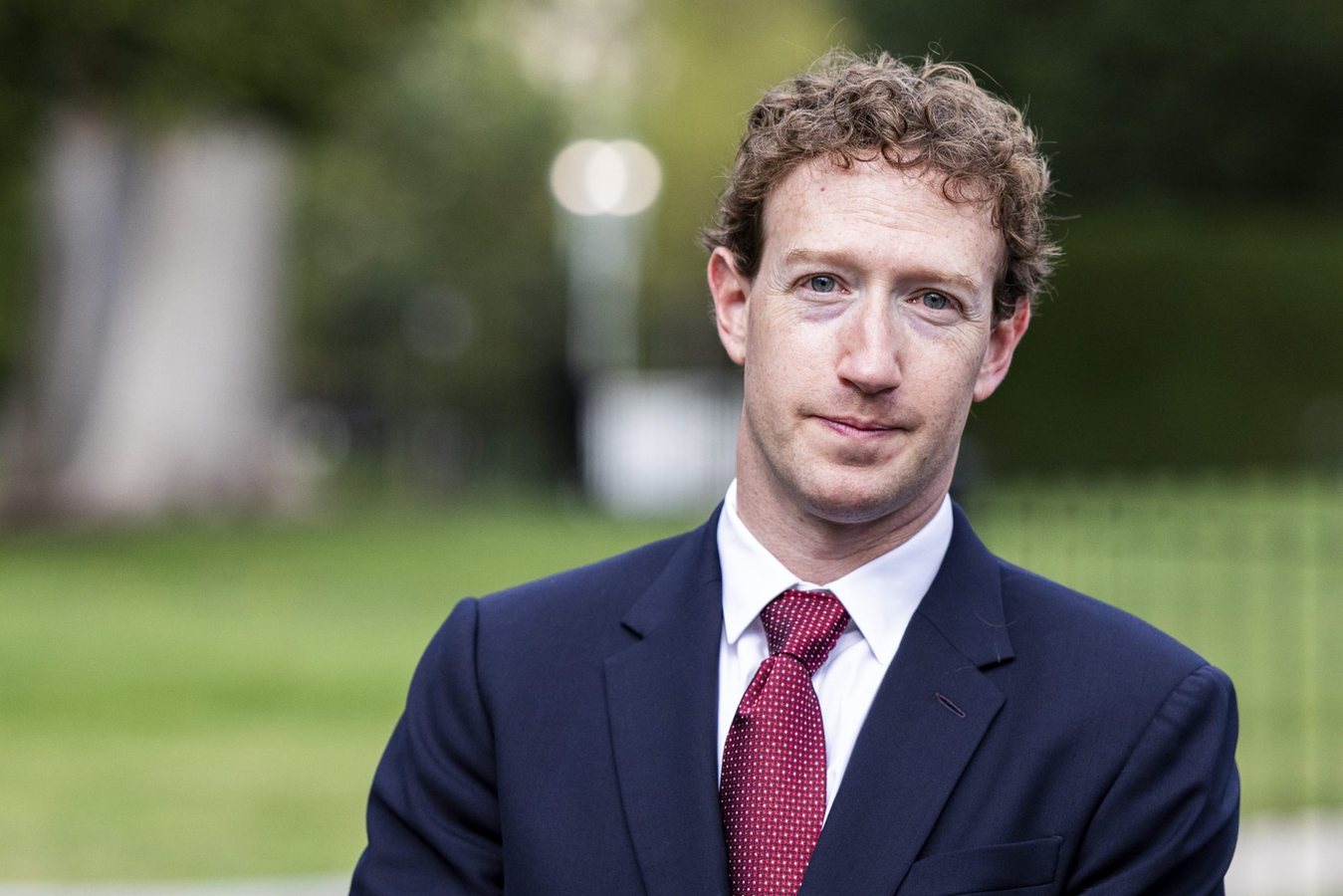
Meta will issue a new class of non-voting stock, the company announced alongside its third-quarter earnings, in a move designed to let CEO Mark Zuckerberg raise capital, compensate employees, and sell shares without surrendering his majority voting control. The Class C shares, technically a one-for-one stock dividend distributed to all shareholders, emerged from months of at-times contentious negotiations between Zuckerberg and a board committee that included DoorDash CEO Tony Xu, Ambassador Robert Kimmitt, and former Microsoft executive Charles Songhurst.
According to a filing with the Securities and Exchange Commission, Zuckerberg sought to preserve his voting control, meet his pledges to fund the Chan Zuckerberg Initiative with Meta stock, and prepare to pay billions to California if a proposed wealth tax is approved by voters in November. The proposal, known as Proposition 40, is set for a vote on Nov. 3 and could impose a multibillion-dollar bill on the state's wealthiest residents. Bloomberg's Billionaires Index lists Zuckerberg at No. 5 with a net worth of $246 billion.
Zuckerberg currently holds about 60.6% of Meta's voting power while owning roughly 13.4% of the company. Like other major technology firms, Meta uses a dual-class structure: Class A shares trade on Nasdaq with one vote per share, while Zuckerberg's holdings consist mostly of Class B shares carrying 10 votes each. Those super-voting shares convert to Class A if sold, a common condition meant to prevent outsiders from gaining control when founders seek liquidity.
The tension is that issuing more Class A shares — for equity grants, acquisitions, or capital raising — dilutes Zuckerberg's stake. Meta has long offset that dilution through buybacks, lifting his voting power from 53.7% in 2013 to 60.6% today. But buybacks drain cash the company wants for its artificial intelligence buildout. Meta repurchased $26.3 billion in Class A stock in 2025 but has not bought back shares in four straight quarters, while posting $21 billion in stock-based compensation in the first nine months of this year.
The third-quarter results illustrate the pressure. Revenue rose 26% to $64.6 billion, capital expenditures reached $34.9 billion, and free cash flow fell to negative $2.1 billion from $10.6 billion a year earlier. Meta forecast 2026 capital spending of $135 billion to $140 billion and fourth-quarter revenue of $73 billion to $76 billion.
The new Class C shares carry no votes. Meta said it will use them to pay employees, fund acquisitions, and raise capital without eroding Zuckerberg's majority control. He can also sell some without giving up votes — and, more importantly, cover a potentially massive California tax bill without tapping his Class B holdings. His current level of control lets him personally elect all board directors and determine most shareholder votes, an arrangement that will not change after the recapitalization. Under the terms, Zuckerberg can sell 20% of the new shares immediately, while the remaining 80% are «stapled,» meaning he can sell them only if he sells or converts an equal number of voting shares.
The filing details how the wealth tax shaped the talks. In July, Zuckerberg told Kimmitt, Meta's lead independent director, that selling Class B stock to cover a potential tax bill could cut his voting stake to 53%. The committee had proposed sunset provisions converting Class B shares within a year of Zuckerberg's death or departure, or if he sold more than half his holdings. During a July call, the two discussed the tax and noted Zuckerberg has taken a $1 salary since 2013. Later that month, he raised concerns about whether the tax might affect his ability to remain a California resident, and the following week his lawyers sent a letter requesting a pay package similar to those given other tech founders, partly to help pay a potential tax bill.
According to the filing, Zuckerberg refused to consider any changes to his voting shares, including sunset provisions, and told the committee he was «considering establishing residence outside of California.» The next day, the committee discussed his stance along with Meta's analyst coverage and tightening credit conditions. Xu disclosed his personal friendship with Zuckerberg but said it would not impair his judgment. At one point, the committee even discussed resigning if no resolution could be reached.
7