4 minBusiness
LIV Golf Reportedly Close to Securing $250 Million in Outside Investment
The rebel golf league is nearing a deal for more than $250 million in outside funding, a move that would extend its operations beyond 2027 and challenge predictions of its imminent collapse.
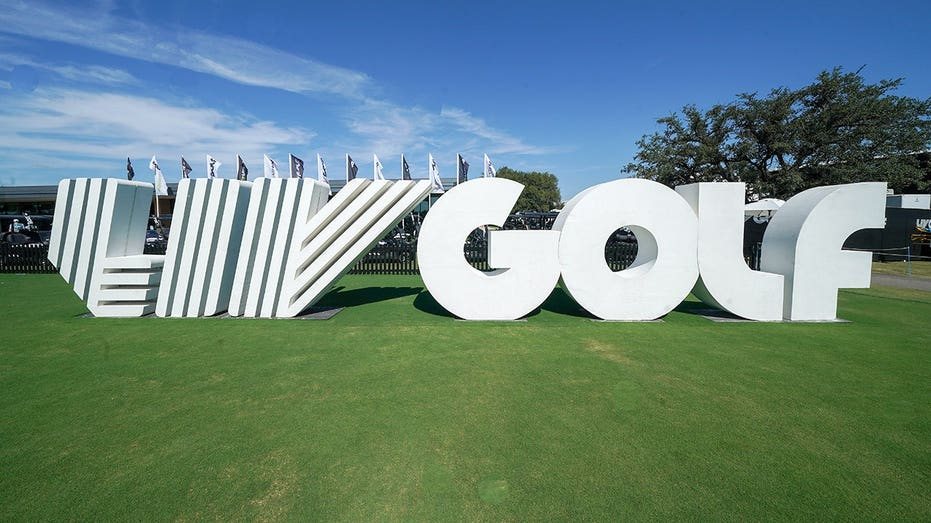
LIV Golf is reportedly on the verge of finalizing a cash infusion of more than $250 million from outside investors, according to the New York Post, a development that would contradict long-held expectations that the Saudi-funded league was running out of time. Multiple investment firms have submitted written commitments and qualified term sheets as part of a financing syndicate designed to keep the circuit operating through at least 2027. The deal has not been completed, and LIV declined to comment, but if it closes as expected it would represent a major lifeline for a league that many in golf’s establishment had written off as a temporary experiment.
The Saudi Arabian Public Investment Fund, which has poured more than $5 billion into LIV since its launch, informed the league earlier this year that it would stop bankrolling operations beyond the 2026 season. The sovereign wealth fund is redirecting capital toward other priorities, a shift that critics assumed would spell the end of LIV. Instead, the league responded by overhauling its leadership and seeking outside capital. It appointed Gene Davis, a veteran restructuring executive, as chairman and retained the investment bank Ducera Partners to lead the fundraising effort.
Earlier pitch materials prepared by LIV reportedly projected that the league could reach profitability in approximately 20 months if it raised the full $250 million and dramatically reduced expenses. Other versions of the proposal called for as much as $350 million and projected a longer road to profitability, underscoring how fluid LIV’s plans remain. Either way, the lavish spending of LIV’s launch era appears finished. The days of nine-figure signing bonuses for star players are likely over. Tournament purses and the number of annual events could also be reduced as LIV attempts to build a more sustainable operation around media rights, sponsorships, and its 13 team franchises.
Under the proposed restructuring, sometimes referred to as «LIV 2.0,» players could receive majority ownership of the league, potentially aligning the biggest stars more directly with the circuit’s long-term financial future. That structure would mark a significant change from the original model, which relied almost entirely on PIF funding and offered enormous guaranteed contracts to attract defectors from the PGA Tour. LIV’s critics have long argued that the league had no viable business plan and would collapse as soon as the Saudi money stopped. The league’s ability to attract outside investors suggests that at least some serious institutional money sees commercial potential in its team model, international schedule, and efforts to modernize golf’s traditional broadcast product.
The PGA Tour has not commented directly on the reported investment, but the news comes amid continuing uncertainty about the relationship between the two circuits. The PGA Tour and LIV’s backers have been in on-and-off negotiations about a potential merger or investment deal since 2023, but no agreement has been reached. LIV’s new funding would give it additional bargaining leverage and reduce its dependence on a single source of capital. The league has also faced criticism from traditionalists, but its events have drawn large crowds and television audiences in markets such as Saudi Arabia, Australia, and the United States.
For now, those who declared LIV Golf dead may have spoken too soon. While the league will almost certainly look different in the future — with smaller purses, fewer events, and tighter budgets — the reported investment signals that it has found at least temporary credibility in the financial markets. Whether that translates into long-term viability remains to be seen, but the immediate threat of a collapse has receded.