4 minBusiness
Jensen Huang tells Nvidia staff Trump did not secure his rehiring
Nvidia CEO Jensen Huang, speaking at his first all-hands meeting since returning to the company, denied that politics or President Donald Trump played a role in his reinstatement and apologized to staff. Separate reporting raises questions about Nvidia chips reaching Chinese military-linked institutions.
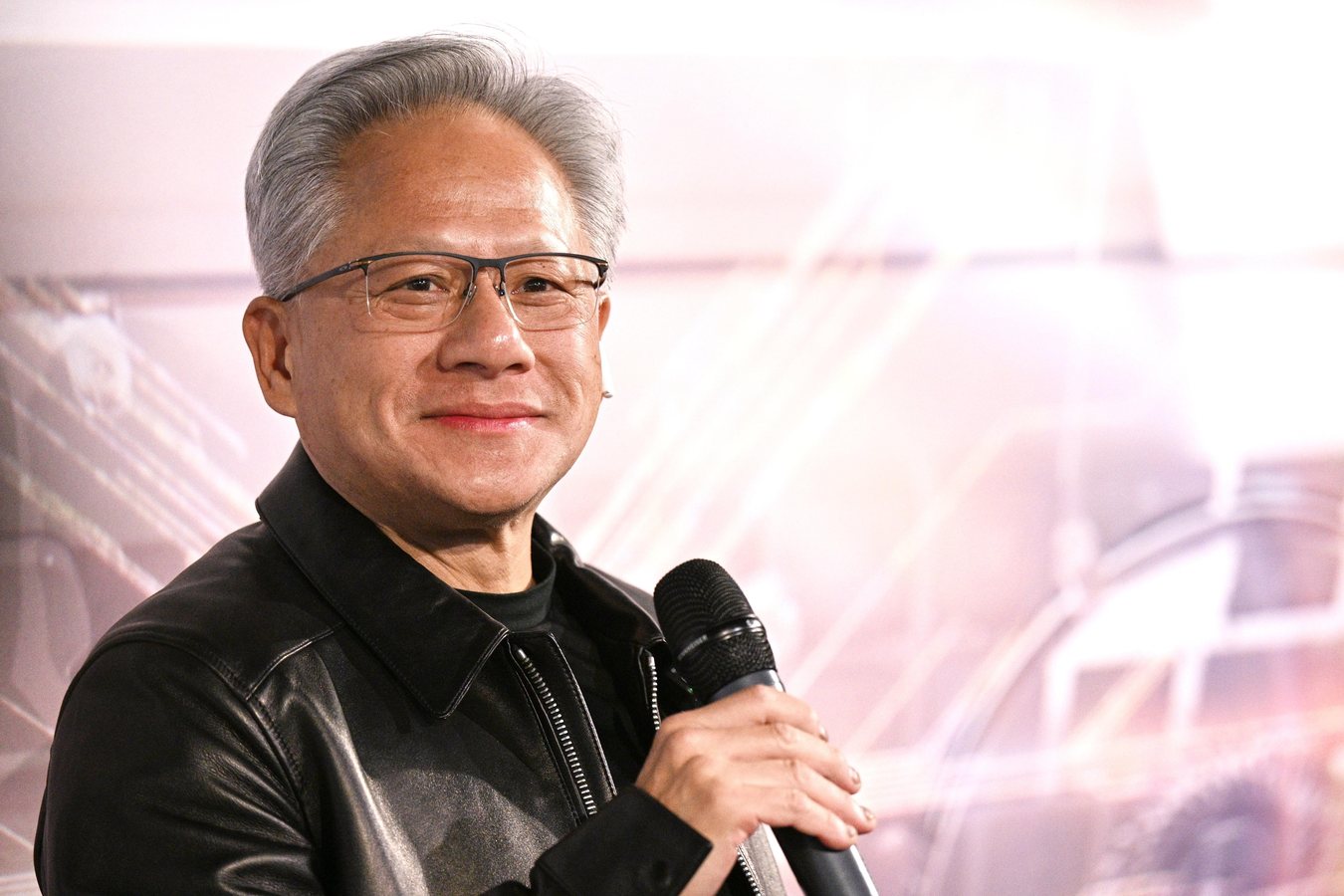
Nvidia chief executive Jensen Huang apologized to employees during his first all-hands meeting since returning to the company, while publicly distancing himself from the idea that the White House and tech leaders helped secure his return. According to reports from Bloomberg, The New York Times and The Handbasket's Marisa Kabas, Huang told staff that claims President Donald Trump was directly involved in his reinstatement were «completely untrue.» Trump himself had publicly promoted that account.
Huang reportedly went further, telling employees: «Don't think for a second politics played a role in the company. We are the most apolitical company.» The remarks were relayed in reports of the meeting and were aimed at putting the leadership turmoil behind the company as it moves forward. The accounts describe the session as the first time Huang addressed the full workforce after coming back to the chipmaker.
The reinstatement followed a rapid reversal in the company's leadership. Huang abruptly resigned as chief executive on November 12. Five days later, the company's chairman said the board did not intend to bring him back. The board then reversed course, citing assurances from senior U.S. officials and concluding that his return posed no national security risk. Trump later told CNBC that the company would have been at risk of losing him, and he presented himself as having helped persuade the board.
The question of national security has not faded from the story. Reporting by Fortune argues that Nvidia chips have continued to reach China through channels that raise serious concerns. According to federal prosecutors, a Super Micro compliance audit at a Southeast Asian customer in August 2025 was staged with nonworking dummy servers, while the working machines had already been shipped to China. Prosecutors say at least $510 million in servers went to China over a few weeks in spring 2025 alone.
Fortune also cites a Reuters investigation published November 11 that found Northwestern Polytechnical University, which has been on the U.S. export blacklist since 2001 over alleged missile proliferation, bought two H200 chips through a Chinese supplier in October. The article notes that the administration's January relaxation of H200 licensing did not lift restrictions on blacklisted entities, and that its safeguards excluded military and military-intelligence users. Reuters also reported on the Harbin Institute of Technology, which Commerce blacklisted in 2020, and on Beihang University, both described in the reporting as having sought Nvidia hardware despite restrictions.
Neither Nvidia's reinstatement announcement nor Huang's comments to staff address those export questions directly. The reports on the meeting focus on the internal message about politics and the company's identity. The separate allegations about chip diversion remain a matter for Congress, state attorneys general and national security officials to examine, and the rehiring decision does not resolve them. For now, the company's account is that Huang's return was a board decision and that politics had no part in it, a claim the company's leadership has put on record in front of its employees.
Source: theverge.com
2