4 minBusiness
History Suggests the Smartest Move for Investors Before a Market Crash
Market history indicates that staying invested through downturns, rather than attempting to time exits, has consistently rewarded long-term investors. The article examines past crashes and the data behind a patient approach.
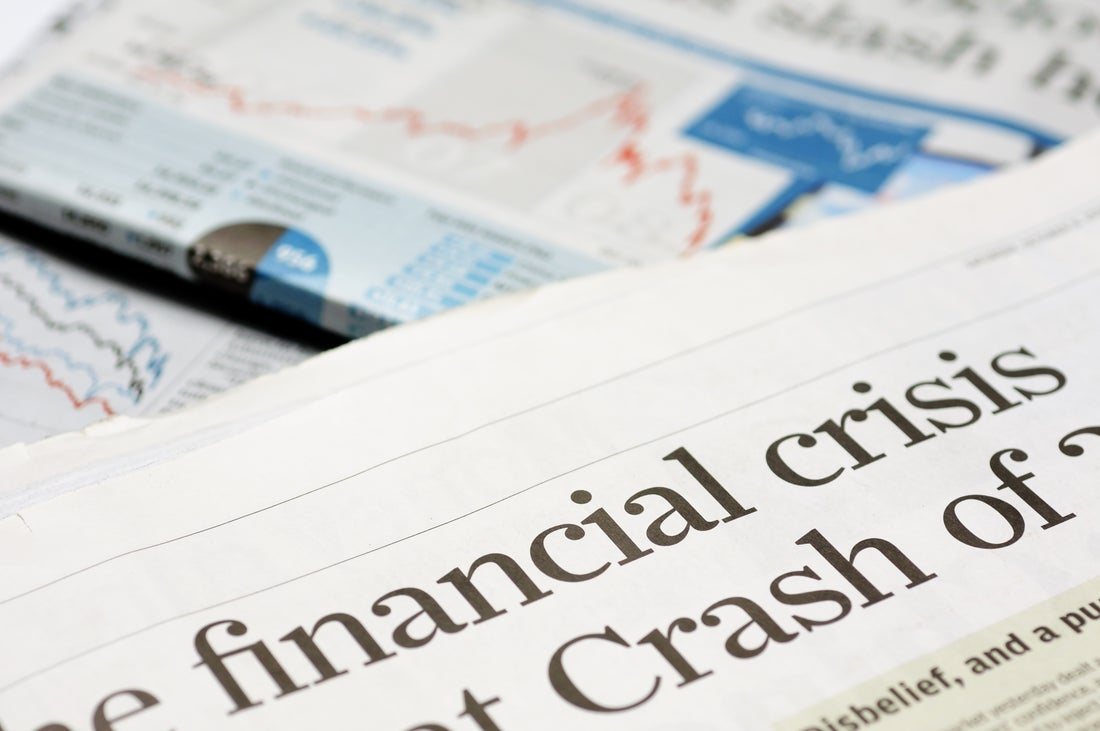
For investors worried about the next stock market downturn, historical data offers a clear and often counterintuitive lesson: the most reliable strategy is to stay invested rather than attempt to time the market. While the prospect of a crash can be unsettling, past market cycles show that those who remained in the market through periods of volatility were consistently better positioned for long-term gains than those who moved to cash.
The logic rests on the market's historical trajectory. Despite repeated crashes, recessions, and bear markets, major indices have always recovered to reach new highs. Investors who sold during downturns often missed the strongest recovery days, which typically occur in the early stages of a rebound. Missing just a handful of these best-performing sessions can dramatically reduce an investor's overall return over a decade or more.
This perspective does not dismiss the real risks of a market correction. Economic indicators, valuation levels, and geopolitical events can all trigger sell-offs. However, the historical record suggests that attempting to predict the exact timing of a crash is a losing game. Even professional fund managers, who have access to sophisticated models and research, rarely succeed at consistently timing the market. For the average investor, the cost of being wrong twice — once when selling and again when deciding when to re-enter — often outweighs the benefit of avoiding the downturn altogether.
Instead, the data supports a disciplined approach: maintaining a diversified portfolio aligned with one's risk tolerance and investment horizon, and continuing to contribute regularly regardless of market conditions. This method, often referred to as dollar-cost averaging, allows investors to buy more shares when prices are low and fewer when prices are high, smoothing out the impact of volatility over time.
Another key takeaway from historical crashes is the speed of recoveries. While some downturns, such as the 2008 financial crisis, took years to fully recover, others, like the 2020 pandemic-driven crash, rebounded within months. The market's ability to recover quickly is often underestimated by investors who focus on the immediate pain of a sell-off. Those who remained invested during these periods were rewarded, while those who waited on the sidelines often found themselves buying back in at higher prices after the recovery was already underway.
Financial advisors frequently point to the emotional challenge of staying invested during a crash. Fear and panic can lead to irrational decisions, such as selling at the bottom. Having a pre-defined investment plan and a long-term perspective can help investors avoid these pitfalls. Rebalancing a portfolio periodically, rather than reacting to daily market movements, is another practical strategy that keeps a portfolio aligned with its target allocation.
Ultimately, the historical evidence suggests that time in the market, not timing the market, is the most dependable path to building wealth. While a crash may be on the horizon at any given moment, the data consistently shows that investors who stay the course through downturns are better positioned to achieve their financial goals. The smartest move, according to history, is often to do nothing at all — and let the market's long-term upward trend do the work.
44