5 minBusiness
Highbourne Cay in the Bahamas Lists $18 Million Villas While Keeping Most of the Island Undeveloped
A group of families who own Highbourne Cay in the Exuma Cays has launched sales of nine oceanfront villas starting at $18 million and ten estate homesites starting at $12 million, with strict conservation rules that will keep the vast majority of the 500-acre island permanently undeveloped.
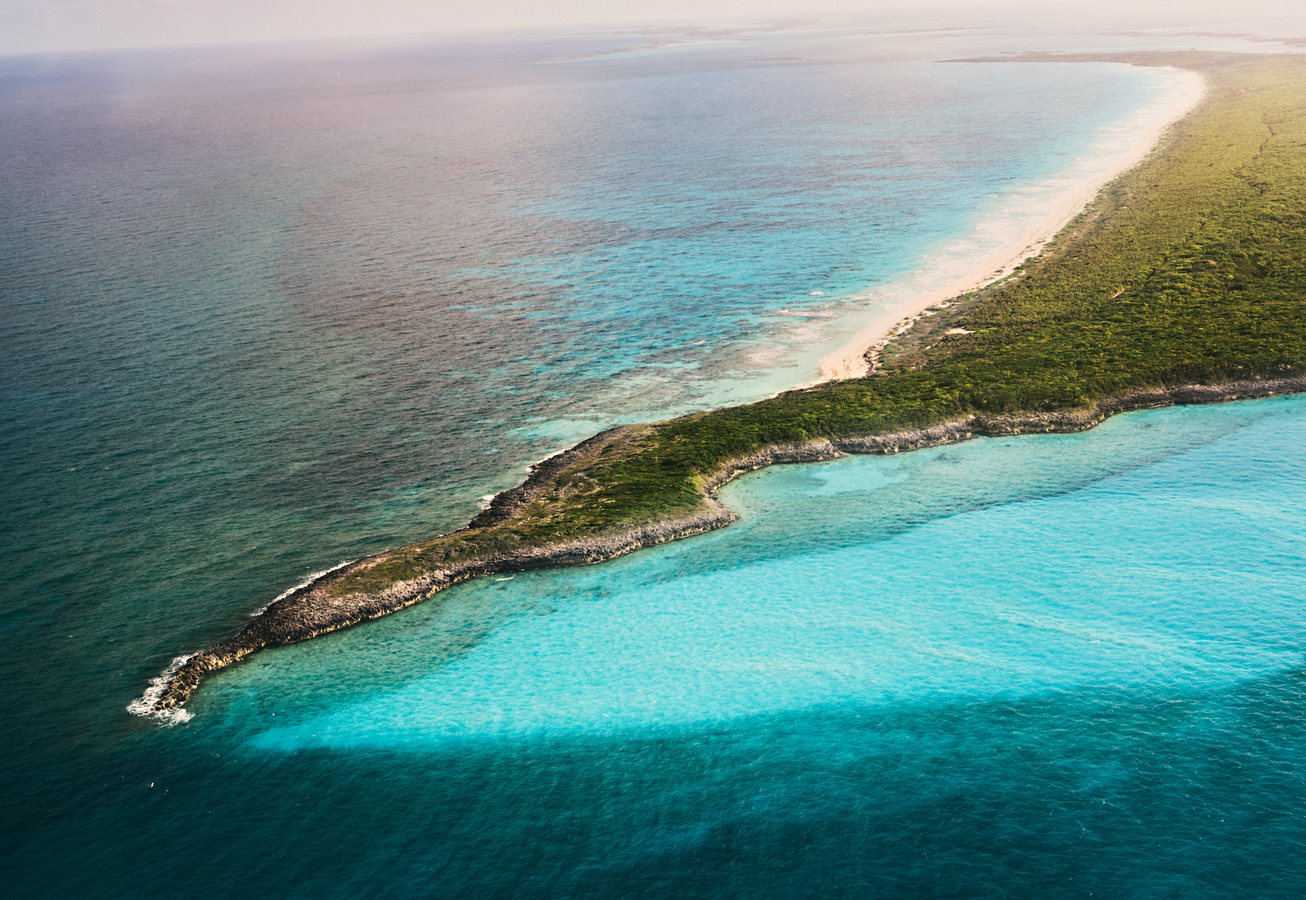
A group of families who own Highbourne Cay, a 500-acre private island in the Bahamas, has quietly put a limited slice of the property on the market, offering nine fully furnished oceanfront villas starting at $18 million and ten estate homesites starting at $12 million. The launch represents one of the most exclusive real estate offerings in the Caribbean, but it comes with an unusual twist: the vast majority of the island will never be developed.
The island sits at the northern gateway to the Exuma Cays, about 90 minutes by boat from Nassau. Its owners, led by investment management CEO Mark Holowesko, have spent years buying out partners and turning away large-scale development proposals to preserve the island's natural character. The decision to sell a small number of homes is intended to fund the island's long-term care while keeping its density extraordinarily low.
Holowesko, who once managed portfolios overseen by legendary investor Sir John Templeton and now runs his own global equities firm, was one of seven owners of Highbourne Cay in 2008. That year, a Texas oilman approached the group with a plan to build 100 homes on the island. The proposal prompted Holowesko and two other families to buy out their partners instead. «That just sort of threw me smack at what the Exumas, particularly Highbourne, is all about,» Holowesko said, adding that the buyout was done «basically to stop it from being massively developed.»
The family's philosophy is perhaps best summarized by Mark Holowesko's own investment logic: «For us, value is scarcity versus density.» The most valuable feature of Highbourne, in other words, is how little of it will ever be built on. That principle was tested when an unnamed luxury brand expressed strong interest in developing a resort on the island. The operator toured the property and held meetings, but the numbers ultimately did not work. A resort of that kind would require at least 60 keys, according to Peter Holowesko, who has led the master-planning effort, and roughly four to five staff per key. «There was no way we could really have 300 staff on the island,» he said. «That would really change the nature of the island.» Because Highbourne is 90 minutes from Nassau, every staffer would have to live on the island, with no easy commute. The family passed on the offer.
Conservation is not a marketing angle here but a long-standing family commitment. Mark Holowesko's mother, Lynn Holowesko, spent 13 years as head of the Bahamas National Trust and helped turn the nearby Exuma Cays Land & Sea Park into a no-take zone. He and Peter grew up banding pigeons and turtles in those same cays. «We kind of feel like we're just caretakers in many respects, trying to pass it on to our kids and our grandkids,» Mark said.
The development rules reflect that ethos. Each estate lot runs eight to 20 acres, with a 150-foot setback from the high-tide mark to preserve natural dunes, strict limits on clearing, an approved plant list, and homes capped at a single story. «If there were 10 more homes like this on the island, you wouldn't even notice that they're there,» Peter said. The team has also eradicated every invasive casuarina pine, an Australian import whose needles poison native plants beneath it, along with invasive sea grapes that damage the dunes. A program run by Bahamian naturalist Elijah Sands has documented more than 300 species of plants and wildlife on the island. The owners are also working to protect surrounding reefs from stony coral tissue loss disease and to safeguard natural rarities, including a 1.7-mile beach studded with stromatolites, among the oldest living organisms on Earth and carbon-dated to some 3 billion years.
Buyers of the villas and homesites will get seclusion without the burden of owning an entire island. Highbourne offers a place to keep large yachts, a general store, an open-air restaurant, and eventually a beach club with a pool, racquet courts, and a gym. Peter Holowesko described the appeal as «barefoot luxury» and noted that early prospects «have the financial means to go out and buy the wrong island,» but a private island alone can be lonely and high-maintenance. What Highbourne is selling, he said, is the island experience minus the isolation.
70